
Overview
This report delves into the details of a cybersecurity vulnerability identified as CVE-2025-39447, which affects the Crocoblock JetElements for Elementor, a plugin for WordPress. The vulnerability is critical as it pertains to Missing Authorization, which could potentially allow unauthorized access to certain functionalities that are not properly constrained by Access Control Lists (ACLs).
Vulnerability Summary
CVE ID: CVE-2025-39447
Severity: High (7.5 on the CVSS scale)
Attack Vector: Network
Privileges Required: None
User Interaction: None
Impact: Unauthorized access to restricted functionalities, potential system compromise, or data leakage
Affected Products
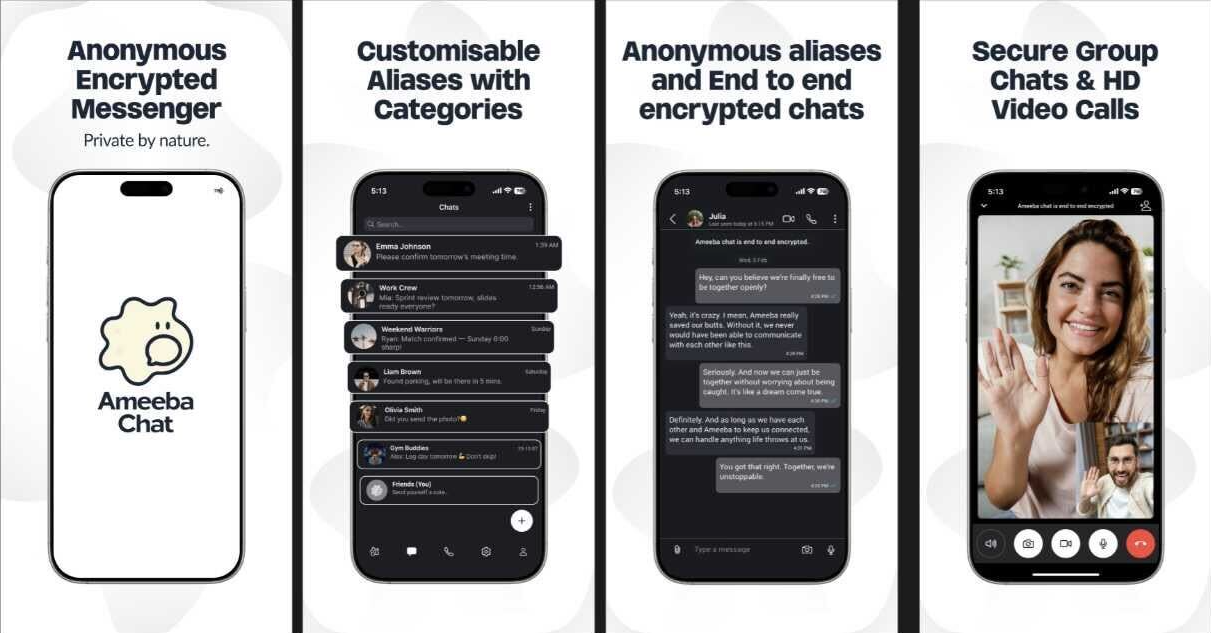
 Escape the Surveillance Era
Most apps won’t tell you the truth.
They’re part of the problem.
Phone numbers. Emails. Profiles. Logs.
It’s all fuel for surveillance.
Ameeba Chat gives you a way out.
- • No phone number
- • No email
- • No personal info
- • Anonymous aliases
- • End-to-end encrypted
Chat without a trace.
Product | Affected Versions
Crocoblock JetElements for Elementor | Versions up to and including 2.7.4.1
How the Exploit Works
The vulnerability stems from improper access control within the JetElements for Elementor plugin. An attacker could exploit this by sending specially crafted network requests to the affected system. Due to the lack of proper authorization checks, the attacker could potentially gain access to functionalities that should be restricted, compromising the security of the system and potentially leading to data leakage.
Conceptual Example Code
The vulnerability could potentially be exploited using a simple HTTP request, similar to the conceptual example given below:
GET /restricted/endpoint HTTP/1.1
Host: target.example.com
This request could, in theory, allow an attacker to gain unauthorized access to restricted functionalities due to the lack of proper authorization checks in place.
Mitigation Guidance
The recommended course of action to mitigate this vulnerability is to apply the vendor patch once it becomes available. In the meantime, using a Web Application Firewall (WAF) or an Intrusion Detection System (IDS) can serve as a temporary mitigation method, providing an extra layer of security and potentially blocking any attempts to exploit the vulnerability.
