
Overview
This report details a critical path traversal vulnerability (CVE-2025-37098) found in HPE Insight Remote Support (IRS) versions prior to v7.15.0.646. This vulnerability could potentially lead to system compromise or data leakage, posing a significant risk to any organization utilizing affected versions of HPE IRS. Immediate action is recommended to mitigate this risk.
Vulnerability Summary
CVE ID: CVE-2025-37098
Severity: High (CVSS: 7.5)
Attack Vector: Network
Privileges Required: Low
User Interaction: None
Impact: Potential system compromise and data leakage
Affected Products
 Escape the Surveillance Era
Most apps won’t tell you the truth.
They’re part of the problem.
Phone numbers. Emails. Profiles. Logs.
It’s all fuel for surveillance.
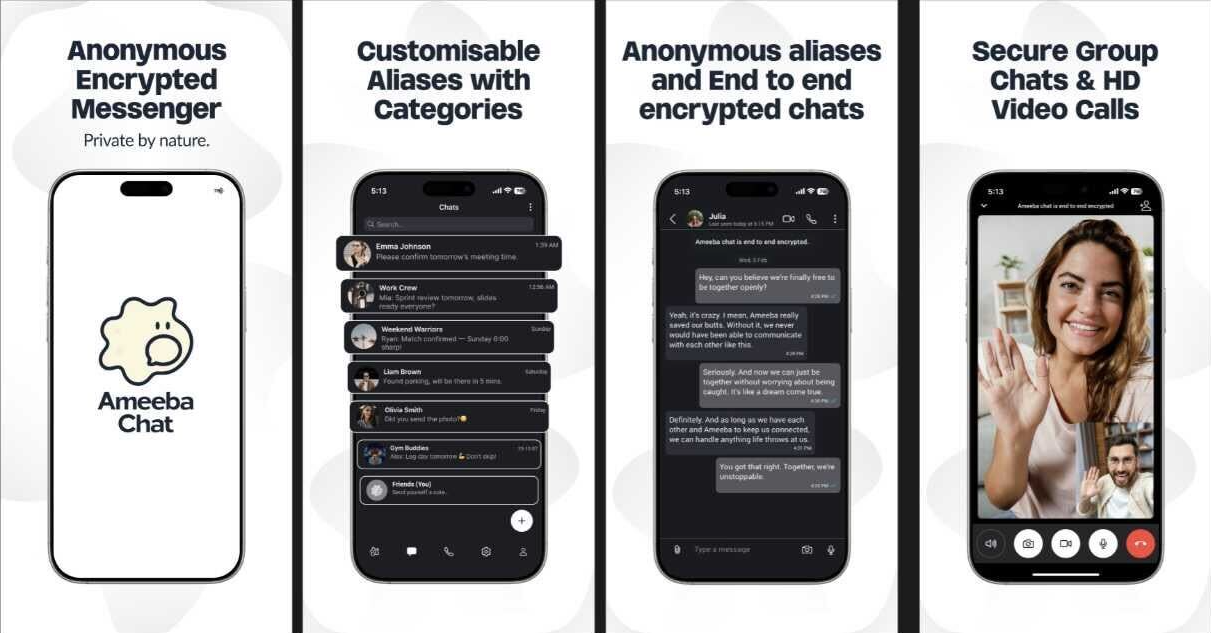
Ameeba Chat gives you a way out.
- • No phone number
- • No email
- • No personal info
- • Anonymous aliases
- • End-to-end encrypted
Chat without a trace.
Product | Affected Versions
HPE Insight Remote Support | Prior to v7.15.0.646
How the Exploit Works
A path traversal vulnerability exists in HPE Insight Remote Support which allows an attacker to access files or directories that are stored outside the web root folder. By manipulating variables that reference files with ‘dot-dot-slash (../)’ sequences and its variations, it may be possible to access arbitrary files and directories stored on the system, potentially leading to sensitive information disclosure or system compromise.
Conceptual Example Code
This conceptual example demonstrates how an attacker might exploit this vulnerability via an HTTP request to a vulnerable endpoint:
GET /download?file=../../etc/passwd HTTP/1.1
Host: target.example.com
In this example, the attacker seeks to download the `/etc/passwd` file, which contains user password hashes on a Unix-like system. If successful, this could lead to unauthorized access and potential system compromise.
Mitigation Guidance
To mitigate this vulnerability, users are advised to apply the vendor-supplied patch as soon as possible. In the interim, a Web Application Firewall (WAF) or Intrusion Detection System (IDS) could be used to filter out malicious requests that attempt to exploit this vulnerability.
