
Overview
The CVE-2025-3698 vulnerability exposes an interface in the com.transsion.carlcare mobile application, leading to a potential risk of information leakage. This security flaw affects all users of the said mobile application and poses a significant threat to the integrity and confidentiality of user data. It is crucial to address this vulnerability due to its high severity score and the potential for system compromise or data leakage.
Vulnerability Summary
CVE ID: CVE-2025-3698
Severity: High (CVSS:7.5)
Attack Vector: Network
Privileges Required: Low
User Interaction: Required
Impact: Potential system compromise and data leakage
Affected Products
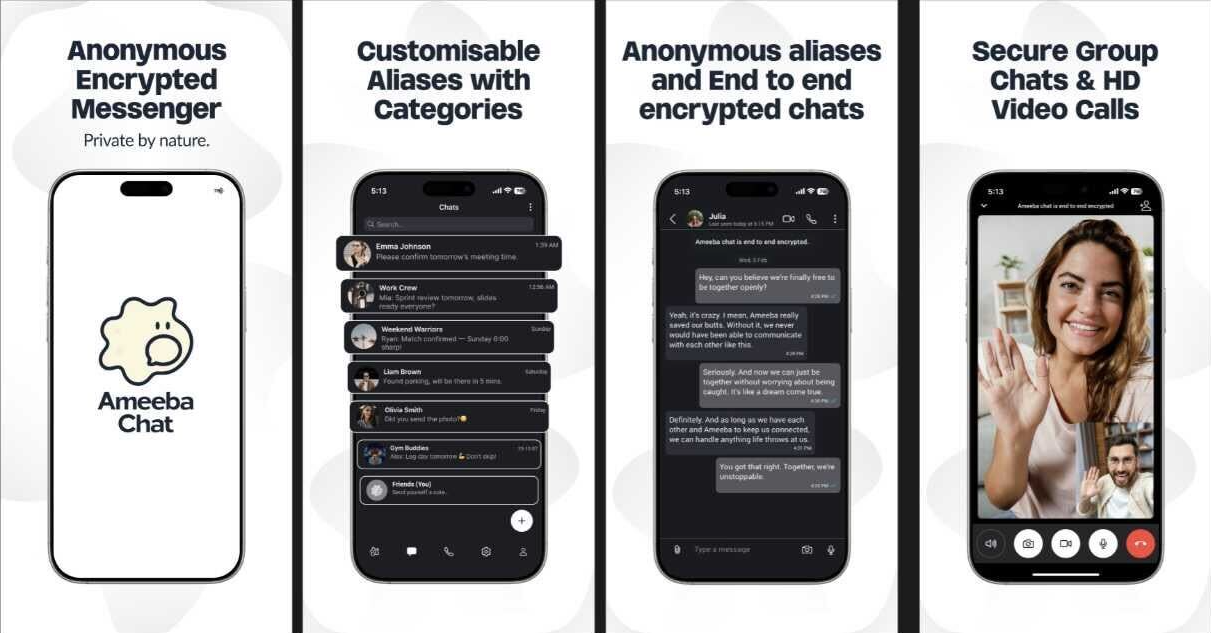
 Escape the Surveillance Era
Most apps won’t tell you the truth.
They’re part of the problem.
Phone numbers. Emails. Profiles. Logs.
It’s all fuel for surveillance.
Ameeba Chat gives you a way out.
- • No phone number
- • No email
- • No personal info
- • Anonymous aliases
- • End-to-end encrypted
Chat without a trace.
Product | Affected Versions
com.transsion.carlcare Mobile Application | All versions prior to vendor patch
How the Exploit Works
The exploit takes advantage of the exposed interface in the mobile application by sending specially crafted malicious requests. These requests can bypass standard security measures and access sensitive information, leading to data leakage. Moreover, if the accessed information includes system-level data, it could potentially lead to system compromise.
Conceptual Example Code
Consider the following conceptual example of how this vulnerability might be exploited:
POST /exposed_interface_endpoint HTTP/1.1
Host: target.example.com
Content-Type: application/json
{ "malicious_payload": "..." }
In this example, an attacker sends a POST request to the exposed interface endpoint with a malicious payload. The server, failing to properly validate and sanitize the request, processes the malicious payload leading to data leakage or possibly system compromise.
Recommendations for Mitigation
Users are recommended to apply the vendor-provided patch to fix this vulnerability. In case the patch is not immediately available or applicable, users can temporarily mitigate the risk by using Web Application Firewalls (WAFs) or Intrusion Detection Systems (IDS) to monitor, detect, and block malicious requests targeting the exposed interface. Regularly updating and patching the software will also protect against such vulnerabilities.
