
Overview
This report covers a critical vulnerability identified as CVE-2025-36512 in the Bloomberg Comdb2 8.1 database, which could potentially lead to a denial of service attack. This flaw could be exploited by an attacker to compromise a system’s functionality and possibly lead to data leakage. It is crucial for organizations utilizing the Comdb2 database to understand and address this vulnerability swiftly to maintain the integrity of their data and systems.
Vulnerability Summary
CVE ID: CVE-2025-36512
Severity: High (7.5)
Attack Vector: Network
Privileges Required: None
User Interaction: None
Impact: Denial of service, potential system compromise, and data leakage
Affected Products
 Escape the Surveillance Era
Most apps won’t tell you the truth.
They’re part of the problem.
Phone numbers. Emails. Profiles. Logs.
It’s all fuel for surveillance.
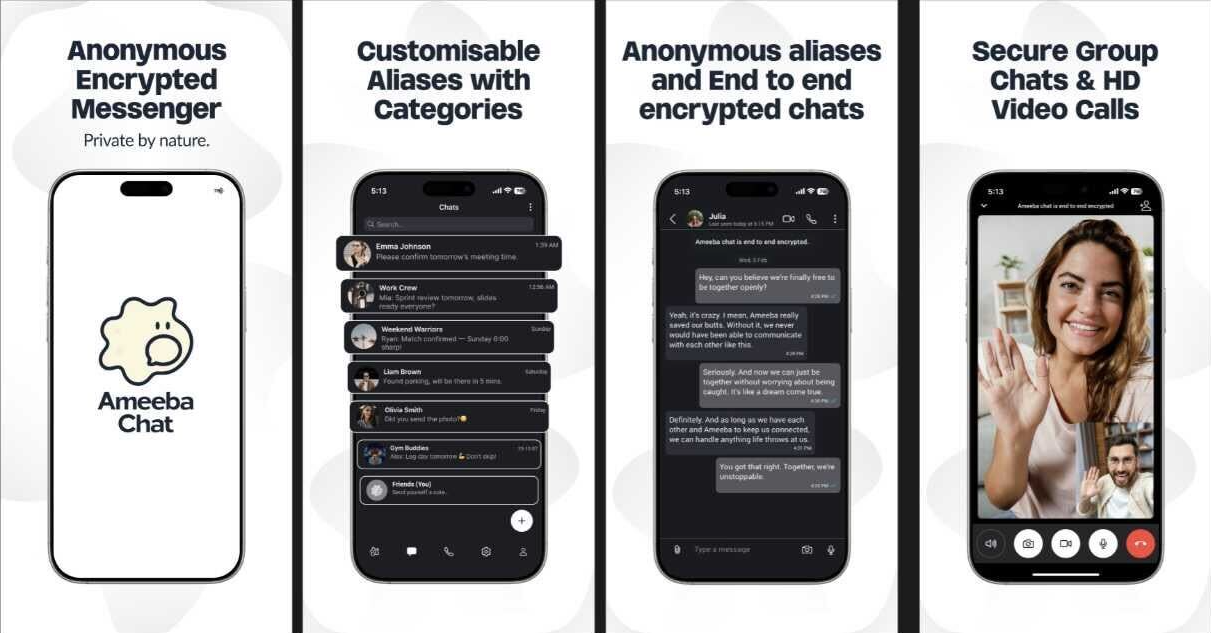
Ameeba Chat gives you a way out.
- • No phone number
- • No email
- • No personal info
- • Anonymous aliases
- • End-to-end encrypted
Chat without a trace.
Product | Affected Versions
Bloomberg Comdb2 | 8.1
How the Exploit Works
The vulnerability arises from the Comdb2 database’s handling of a distributed transaction heartbeat. An attacker can exploit this flaw by crafting a specific protocol buffer message, connecting to the database instance over TCP, and sending this message. This action can trigger the denial of service vulnerability, causing the database to become unresponsive or even compromise the system and leak data.
Conceptual Example Code
While no specific exploit code is available, an attacker could theoretically craft a malicious protocol buffer message similar to the following pseudocode:
buffer = ProtocolBuffer()
buffer.setHeartbeat("malicious payload")
socket = Socket("target_db_address", target_db_port)
socket.send(buffer.toBytes())
In the above pseudocode, an attacker creates a protocol buffer with a malicious payload set as the heartbeat, then sends this message to the target database over a TCP connection.
Mitigation Guidance
The recommended mitigation for this vulnerability is to apply the patch provided by the vendor. In situations where applying the patch is not immediately feasible, organizations should consider implementing a Web Application Firewall (WAF) or Intrusion Detection System (IDS) as a temporary defensive measure. These tools can help detect and block malicious traffic, effectively reducing the risk of exploitation.
