
Overview
The vulnerability, identified as CVE-2025-36504, is a significant security flaw found in the BIG-IP HTTP/2 httprouter profile that is configured on a virtual server. This vulnerability can potentially lead to system compromise and data leaks due to increased memory resource utilization. Notably, this flaw affects a wide range of businesses and organizations that use this server technology, highlighting the critical need for immediate remediation to prevent potential cyberattacks.
Vulnerability Summary
CVE ID: CVE-2025-36504
Severity: Critical (CVSS Score: 7.5)
Attack Vector: Network
Privileges Required: None
User Interaction: None
Impact: Potential system compromise and data leakage
Affected Products
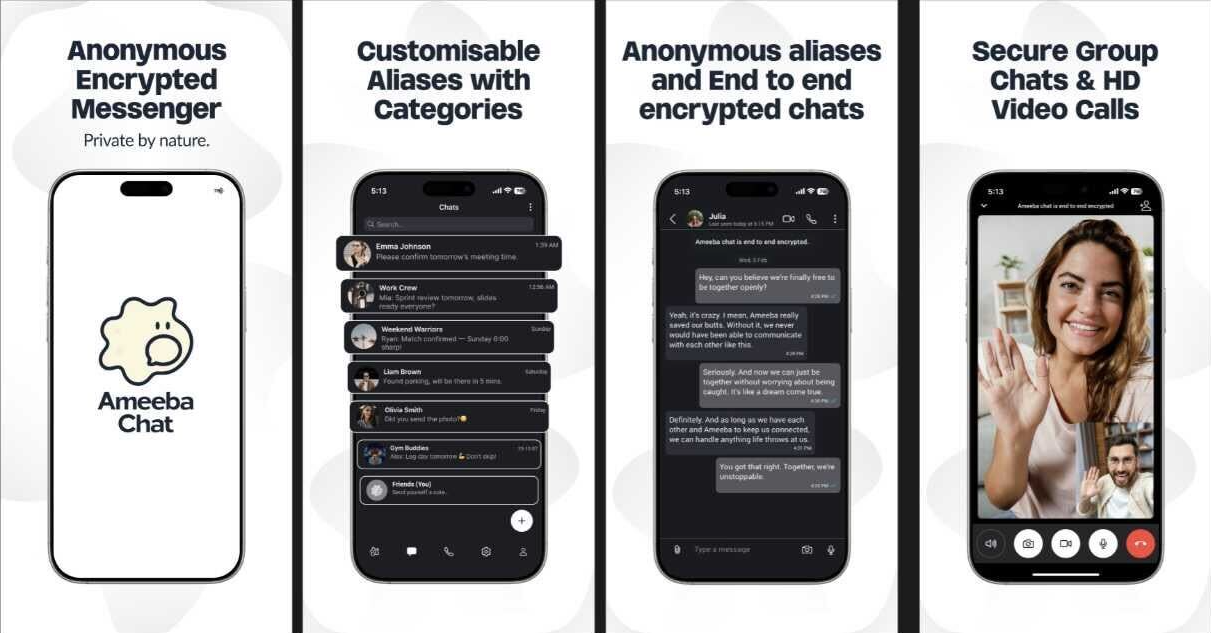
 Escape the Surveillance Era
Most apps won’t tell you the truth.
They’re part of the problem.
Phone numbers. Emails. Profiles. Logs.
It’s all fuel for surveillance.
Ameeba Chat gives you a way out.
- • No phone number
- • No email
- • No personal info
- • Anonymous aliases
- • End-to-end encrypted
Chat without a trace.
Product | Affected Versions
BIG-IP HTTP/2 httprouter profile | All versions up to the end of technical support (EoTS)
How the Exploit Works
The exploit works by sending undisclosed responses to a virtual server with a BIG-IP HTTP/2 httprouter profile configured. These responses result in an increase in memory resource utilization, potentially leading to a system crash or a slowdown, thereby creating an opening for unauthorized access or data leakage.
Conceptual Example Code
Here is a conceptual example of how the vulnerability might be exploited:
POST /undisclosed/responses HTTP/1.1
Host: target.example.com
Content-Type: application/json
{ "malicious_payload": "<payload exploiting memory resource utilization>" }
In this example, the attacker sends a specially crafted payload designed to exploit the memory resource utilization vulnerability. The server, unable to handle the increased memory usage, becomes a susceptible target for further attacks or data leaks.
Mitigation Guidance
To mitigate this vulnerability, users should immediately apply the vendor-supplied patch. In the absence of an immediate patch, implementing a Web Application Firewall (WAF) or Intrusion Detection System (IDS) can serve as a temporary mitigation measure. However, these are not long-term solutions, and the system remains at risk until the patch is applied.
