
Overview
This report addresses a critical vulnerability, CVE-2025-35970, detected in several products of SEIKO EPSON and FUJIFILM Corporation. The vulnerability arises because the initial administrator password, which is easily discernible via SNMP, potentially allowing nefarious entities with SNMP access to log in with administrator privileges. It is of paramount importance due to its potential to compromise systems and leak sensitive data.
Vulnerability Summary
CVE ID: CVE-2025-35970
Severity: High (7.5 CVSS Score)
Attack Vector: Network
Privileges Required: None
User Interaction: None
Impact: System Compromise and Data Leakage
Affected Products
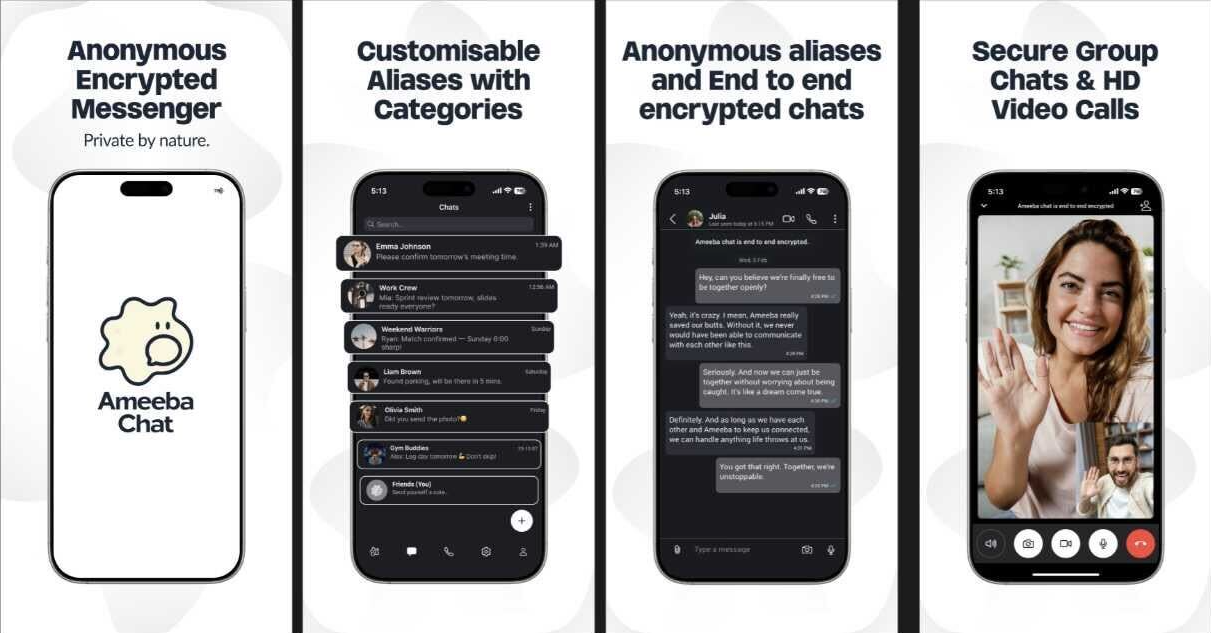
 Escape the Surveillance Era
Most apps won’t tell you the truth.
They’re part of the problem.
Phone numbers. Emails. Profiles. Logs.
It’s all fuel for surveillance.
Ameeba Chat gives you a way out.
- • No phone number
- • No email
- • No personal info
- • Anonymous aliases
- • End-to-end encrypted
Chat without a trace.
Product | Affected Versions
SEIKO EPSON | All versions until patched
FUJIFILM Corporation | All versions until patched
How the Exploit Works
The exploit works by leveraging the Simple Network Management Protocol (SNMP) to retrieve valuable information about the network device, including the default administrator password. This vulnerability is mainly due to poor security practices during the initial setup of the devices. If the default password is not changed, an attacker with SNMP access can log in as an administrator and gain complete control over the device and potentially, the entire network.
Conceptual Example Code
This is a conceptual example of how an attacker might use an SNMP get request to retrieve the default administrator password:
snmpwalk -v 2c -c public target.example.com 1.3.6.1.4.1.674.10892.1.300.10.1.9.1In this example, “public” is the community string (akin to a password for SNMP), and the long number is the Object Identifier (OID) which corresponds to the administrator password. If the device is vulnerable and the administrator password has not been changed, this command will return the default password.
