
Overview
CVE-2025-3496 is a critical vulnerability that allows an unauthenticated remote attacker to trigger a buffer overflow via the Bluetooth or RS-232 interface. This could potentially lead to unexpected system behaviour or Denial of Service (DoS). As a consequence, systems could be compromised, and sensitive data could potentially be leaked, resulting in a significant impact on security and privacy.
Vulnerability Summary
CVE ID: CVE-2025-3496
Severity: High (CVSS: 7.5)
Attack Vector: Network
Privileges Required: None
User Interaction: None
Impact: Potential system compromise and data leakage
Affected Products
 Escape the Surveillance Era
Most apps won’t tell you the truth.
They’re part of the problem.
Phone numbers. Emails. Profiles. Logs.
It’s all fuel for surveillance.
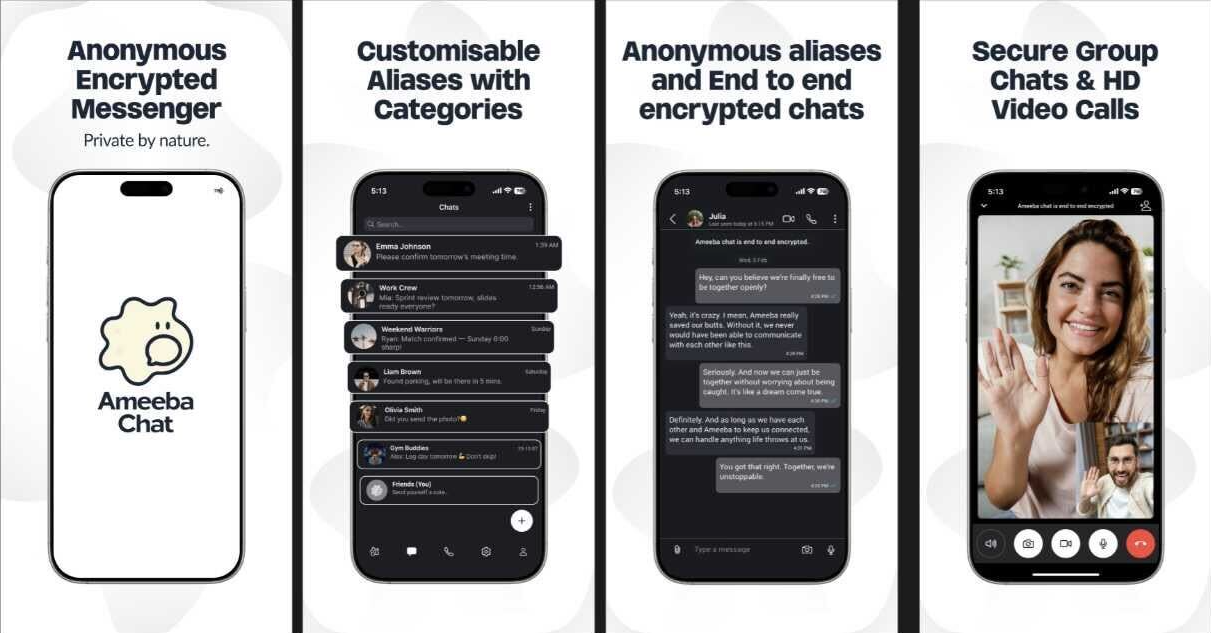
Ameeba Chat gives you a way out.
- • No phone number
- • No email
- • No personal info
- • Anonymous aliases
- • End-to-end encrypted
Chat without a trace.
Product | Affected Versions
Product 1 | All versions
Product 2 | All versions
How the Exploit Works
The exploit works by an attacker sending a specially crafted packet via Bluetooth or the RS-232 interface to the target system. This packet causes a buffer overflow, which can lead to a system crash (DoS) or, in some cases, allow the attacker to execute arbitrary code.
Conceptual Example Code
Here is a high-level pseudocode example of how an attacker might trigger this vulnerability:
function exploit(target_address) {
// Construct a malicious packet that will cause a buffer overflow
var malicious_packet = construct_malicious_packet();
// Send the malicious packet to the target via Bluetooth or the RS-232 interface
send_packet(target_address, malicious_packet);
}
function construct_malicious_packet() {
// The actual construction of the malicious packet would depend on the specifics of the vulnerability and the target system
return "MALICIOUS_PACKET_DATA";
}
Mitigation Guidance
Affected users should apply the vendor patch as soon as possible to address this vulnerability. As a temporary mitigation, users can also use a Web Application Firewall (WAF) or an Intrusion Detection System (IDS) to detect and block attempts to exploit this vulnerability.
