
Overview
The vulnerability identified as CVE-2025-33090 is a significant threat to users of IBM Concert Software versions 1.0.0 through 1.1.0. This vulnerability allows a remote attacker to potentially cause a denial of service, using a specially crafted regular expression leading to excessive resource consumption. The impact of this vulnerability could lead to system compromise or data leakage, making it a considerable cybersecurity concern.
Vulnerability Summary
CVE ID: CVE-2025-33090
Severity: High (CVSS: 7.5)
Attack Vector: Network
Privileges Required: None
User Interaction: None
Impact: Potential system compromise or data leakage
Affected Products
 Escape the Surveillance Era
Most apps won’t tell you the truth.
They’re part of the problem.
Phone numbers. Emails. Profiles. Logs.
It’s all fuel for surveillance.
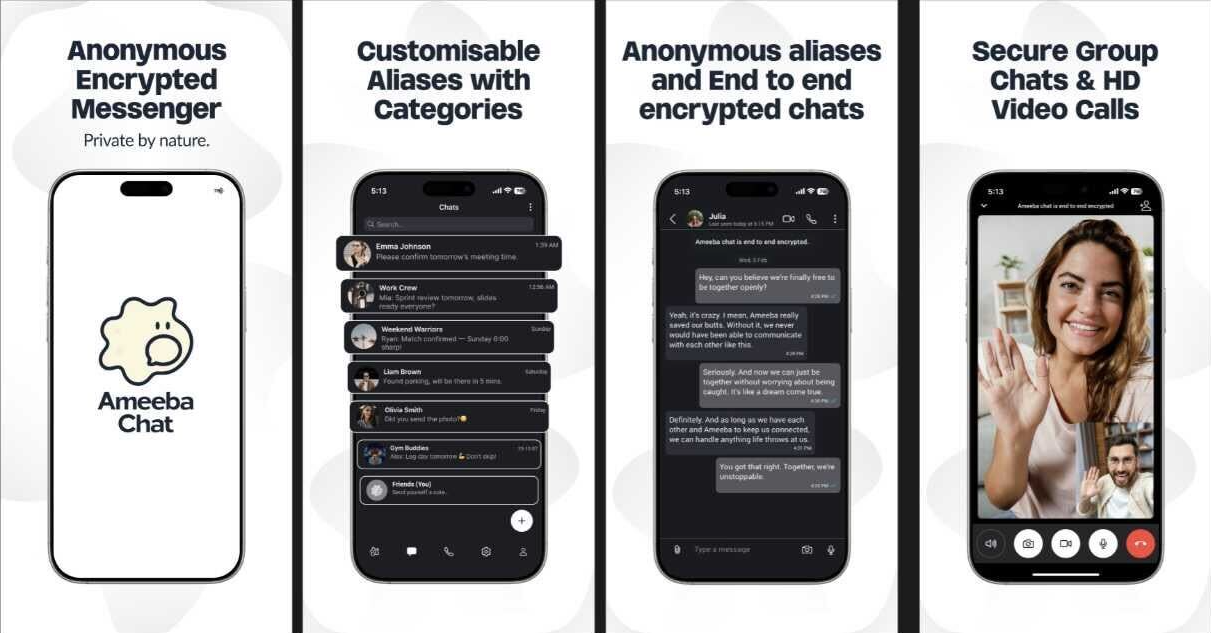
Ameeba Chat gives you a way out.
- • No phone number
- • No email
- • No personal info
- • Anonymous aliases
- • End-to-end encrypted
Chat without a trace.
Product | Affected Versions
IBM Concert Software | 1.0.0 to 1.1.0
How the Exploit Works
An attacker exploits this vulnerability by sending a specially crafted regular expression to the IBM Concert Software. The regular expression is designed to consume system resources excessively, leading to a denial of service. This excessive resource consumption can cause the system to slow down significantly or even crash, potentially leading to system compromise or data leakage.
Conceptual Example Code
A possible hypothetical exploit might use an HTTP POST request with a maliciously crafted regular expression. The example below is just a conceptual representation and does not represent a real-world exploit code.
POST /api/query HTTP/1.1
Host: vulnerable-ibm-concert.example.com
Content-Type: application/json
{ "query": "(a+)+$" }
In the above example, `(a+)+$` is a type of regular expression known as ReDoS (Regular expression Denial of Service), which can lead to excessive CPU usage when evaluated against certain strings, causing the denial of service.
Mitigation Measures
To mitigate this vulnerability, users are advised to apply the vendor patch as soon as it is available. In the meantime, users can use a Web Application Firewall (WAF) or Intrusion Detection System (IDS) as a temporary mitigation measure. These systems can help detect and block malicious requests, thereby preventing the system’s excessive resource consumption.
