
Overview
The CVE-2025-33051 is a severe vulnerability that affects Microsoft Exchange Server and can expose sensitive information to unauthorized actors. This vulnerability is of high significance because it can potentially lead to system compromise or data leakage, thereby posing a risk to the integrity and confidentiality of data.
Vulnerability Summary
CVE ID: CVE-2025-33051
Severity: High (7.5)
Attack Vector: Network
Privileges Required: None
User Interaction: None
Impact: Unauthorized disclosure of sensitive information potentially leading to system compromise or data leakage.
Affected Products
 Escape the Surveillance Era
Most apps won’t tell you the truth.
They’re part of the problem.
Phone numbers. Emails. Profiles. Logs.
It’s all fuel for surveillance.
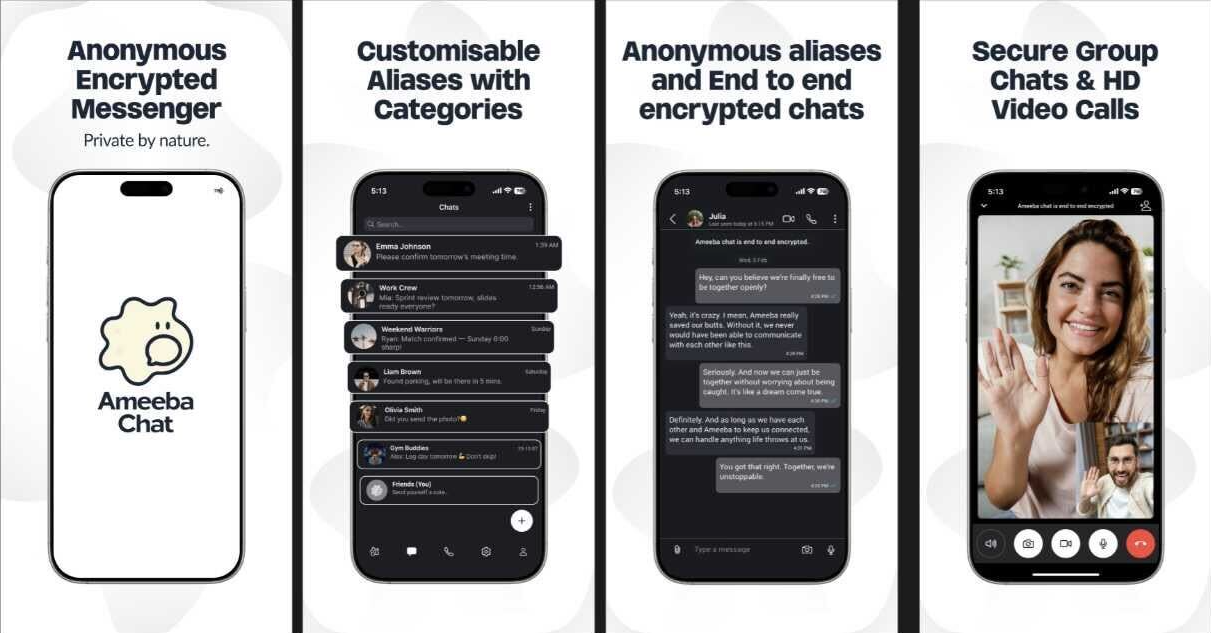
Ameeba Chat gives you a way out.
- • No phone number
- • No email
- • No personal info
- • Anonymous aliases
- • End-to-end encrypted
Chat without a trace.
Product | Affected Versions
Microsoft Exchange Server | All versions prior to the latest patch
How the Exploit Works
The CVE-2025-33051 vulnerability occurs due to insufficient security restrictions in Microsoft Exchange Server. An unauthorized attacker can exploit this vulnerability by sending a specially crafted network request to the server. Upon successful exploitation, the attacker can bypass the security constraints and gain unauthorized access to sensitive information, which can potentially lead to system compromise or data leakage.
Conceptual Example Code
Here is a
conceptual
example of how the vulnerability might be exploited using a malicious HTTP request:
GET /EWS/Exchange.asmx HTTP/1.1
Host: vulnerable_exchange_server.com
User-Agent: Mozilla/5.0... or any user agent
Authorization: Basic [Base64 encoded username:password]
{ "Payload": "..." }
In this example, the attacker attempts to access the Exchange Web Services (EWS) endpoint. If successful, the attacker could potentially access and disclose sensitive information over the network.
