
Overview
The vulnerability CVE-2025-32986 is a serious cybersecurity threat affecting NETSCOUT nGeniusONE versions before 6.4.0 b2350. It allows unauthorized access to sensitive files, potentially leading to system compromise or data leakage. This report will provide a detailed analysis of the vulnerability, its impacts, and methods for mitigation.
Vulnerability Summary
CVE ID: CVE-2025-32986
Severity: High (CVSS: 7.5)
Attack Vector: Network
Privileges Required: None
User Interaction: None
Impact: System compromise and potential data leakage
Affected Products
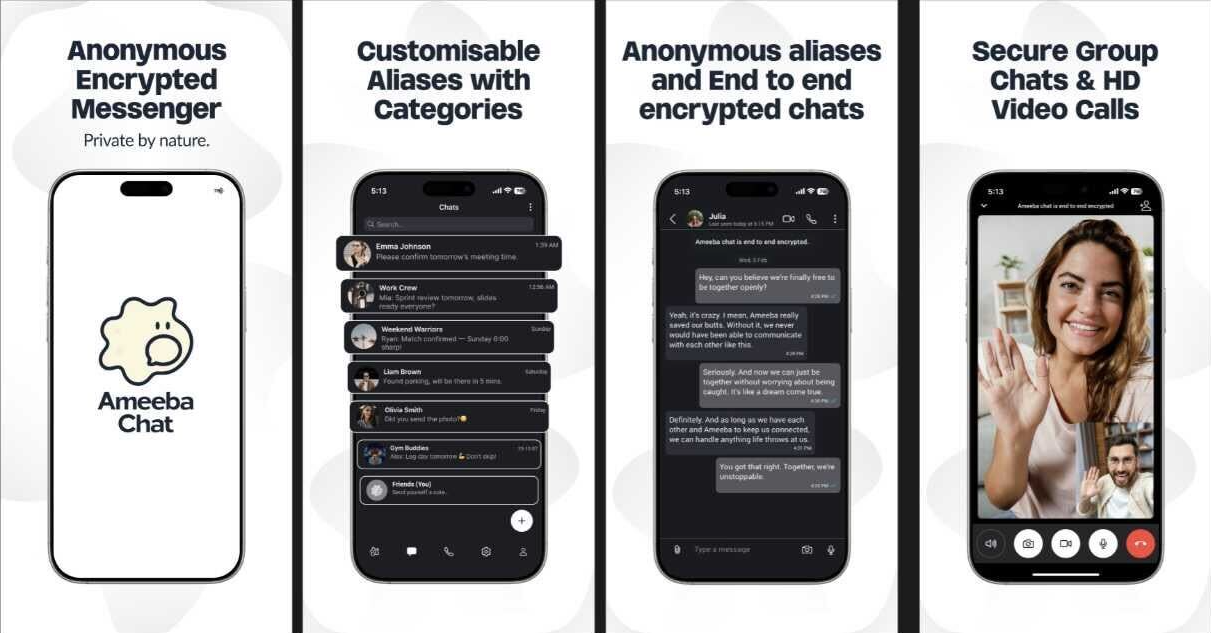
 Escape the Surveillance Era
Most apps won’t tell you the truth.
They’re part of the problem.
Phone numbers. Emails. Profiles. Logs.
It’s all fuel for surveillance.
Ameeba Chat gives you a way out.
- • No phone number
- • No email
- • No personal info
- • Anonymous aliases
- • End-to-end encrypted
Chat without a trace.
Product | Affected Versions
NETSCOUT nGeniusONE | Before 6.4.0 b2350
How the Exploit Works
The vulnerability stems from a lack of proper authentication checks on certain endpoints in the nGeniusONE system. An attacker can send a specially crafted request to these vulnerable endpoints to gain unauthorized access to sensitive files. This can lead to a potential system compromise and data leakage if the files contain sensitive information.
Conceptual Example Code
Here is a conceptual example of how the vulnerability might be exploited:
GET /sensitive-file-endpoint HTTP/1.1
Host: target.example.com
This is a simple HTTP GET request that an attacker could potentially use to access a sensitive file without proper authentication. The actual exploit would likely involve more complex interactions and manipulation of the request parameters to bypass any existing security controls and access the desired file.
Recommended Mitigation
To mitigate this vulnerability, users are advised to update their NETSCOUT nGeniusONE systems to version 6.4.0 b2350 or later, where the issue has been resolved. If this is not possible, a Web Application Firewall (WAF) or Intrusion Detection System (IDS) can be used as a temporary mitigation measure. These systems can monitor and limit access to the vulnerable endpoints until the software can be updated.
