
Overview
The CVE-2025-32982 is a critical vulnerability found in NETSCOUT nGeniusONE versions before 6.4.0 b2350. This vulnerability resides in the report module of the application and is due to a broken authorization schema. If exploited, this vulnerability could lead to system compromise or data leakage, posing a serious threat to users and organizations relying on the affected versions of this software.
Vulnerability Summary
CVE ID: CVE-2025-32982
Severity: High (7.5)
Attack Vector: Network
Privileges Required: Low
User Interaction: None
Impact: Potential system compromise or data leakage
Affected Products
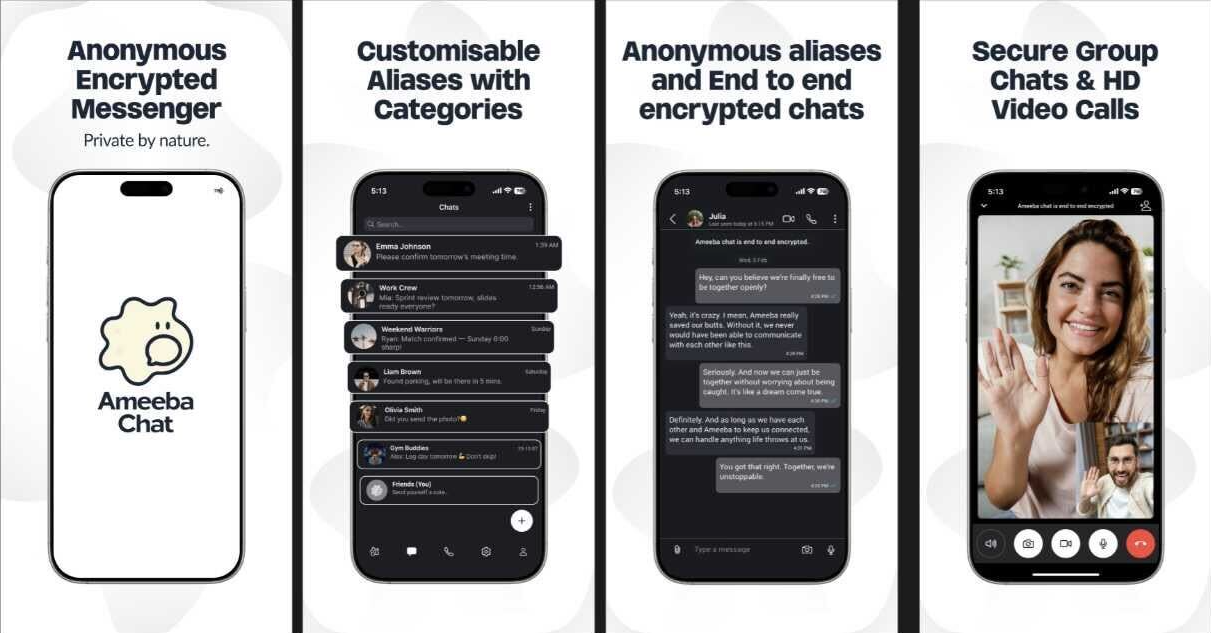
 Escape the Surveillance Era
Most apps won’t tell you the truth.
They’re part of the problem.
Phone numbers. Emails. Profiles. Logs.
It’s all fuel for surveillance.
Ameeba Chat gives you a way out.
- • No phone number
- • No email
- • No personal info
- • Anonymous aliases
- • End-to-end encrypted
Chat without a trace.
Product | Affected Versions
NETSCOUT nGeniusONE | Before 6.4.0 b2350
How the Exploit Works
The exploit takes advantage of the broken authorization schema in the report module of nGeniusONE. An attacker can bypass the authorization checks, enabling them to access sensitive data and potentially compromise the system. This could be done by sending specially crafted network requests to the affected module.
Conceptual Example Code
Here’s a conceptual example illustrating how an attacker might exploit this vulnerability:
GET /report/12345 HTTP/1.1
Host: vulnerable-host.example.com
Authorization: Bearer compromised-token
In this example, an attacker uses a compromised token to access restricted report data.
Please note that this is a conceptual example for illustrative purposes only and may not represent the actual exploit code.
Mitigation
Users are advised to apply the vendor-provided patch to mitigate this vulnerability. If patching is not immediately possible, a Web Application Firewall (WAF) or Intrusion Detection System (IDS) can be used as a temporary measure to detect and block exploitation attempts. Regularly review and update security configurations to ensure the highest protection level against such vulnerabilities.
