
Overview
CVE-2025-32906 is a critical vulnerability discovered in libsoup, a widely-used HTTP client/server library in C. If exploited, this flaw could allow a malicious actor to crash the HTTP server, potentially leading to a system compromise or data leakage. Given the severity of this flaw, it is crucial for affected systems to mitigate the risk as quickly as possible.
Vulnerability Summary
CVE ID: CVE-2025-32906
Severity: High (7.5 CVSS)
Attack Vector: Network
Privileges Required: None
User Interaction: None
Impact: Potential system compromise, data leakage
Affected Products
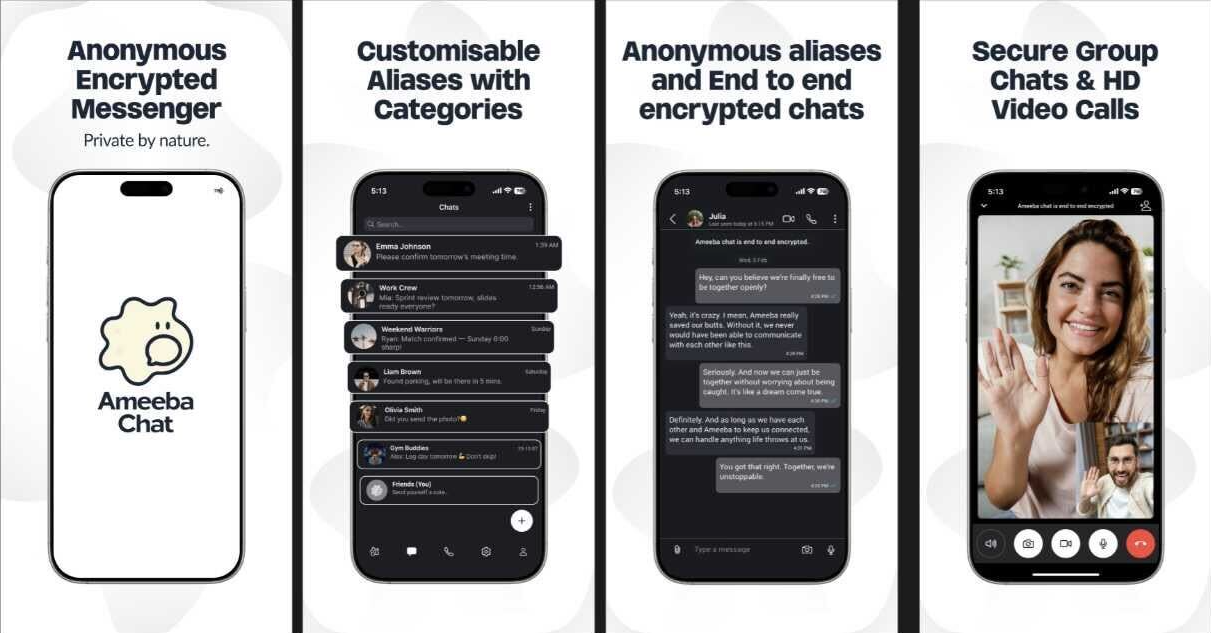
 Escape the Surveillance Era
Most apps won’t tell you the truth.
They’re part of the problem.
Phone numbers. Emails. Profiles. Logs.
It’s all fuel for surveillance.
Ameeba Chat gives you a way out.
- • No phone number
- • No email
- • No personal info
- • Anonymous aliases
- • End-to-end encrypted
Chat without a trace.
Product | Affected Versions
libsoup | All versions prior to patch
How the Exploit Works
The vulnerability lies in the soup_headers_parse_request() function within the libsoup library. A malicious user could send a specially crafted HTTP request to trigger an out-of-bound read, causing the HTTP server to crash. This crash could potentially allow further exploitation, leading to system compromise and data leakage.
Conceptual Example Code
Below is a conceptual example of a malicious HTTP request that could exploit this vulnerability:
GET / HTTP/1.1
Host: target.example.com
User-Agent: Mozilla/5.0 (Windows NT 10.0; Win64; x64)
Accept: text/html,application/xhtml+xml,application/xml;q=0.9,*/*;q=0.8
Accept-Language: en-US,en;q=0.5
Accept-Encoding: gzip, deflate
Connection: close
Upgrade-Insecure-Requests: 1
If-Modified-Since: Thu, 01 Jan 1970 00:00:00 GMT
Cache-Control: max-age=0, no-cache, no-store, must-revalidate
Pragma: no-cache
In this example, specific combinations of headers or values may trigger the out-of-bound read, leading to a server crash.
Mitigation Guidance
Users of libsoup are strongly recommended to apply the vendor patch as soon as possible. In the meantime, a Web Application Firewall (WAF) or Intrusion Detection System (IDS) can be used as temporary mitigation to filter out malicious HTTP requests.
