
Overview
This report delves into the details of a critical vulnerability, CVE-2025-32818, that affects SonicOS SSLVPN Virtual office interface. The vulnerability, if exploited, allows a remote, unauthenticated attacker to crash the firewall, potentially leading to a Denial-of-Service (DoS) condition. It is a significant threat to internet security, potentially causing system compromise or data leakage.
Vulnerability Summary
CVE ID: CVE-2025-32818
Severity: High (CVSS: 7.5)
Attack Vector: Network
Privileges Required: None
User Interaction: None
Impact: Denial-of-Service, potential system compromise, and data leakage
Affected Products
 Escape the Surveillance Era
Most apps won’t tell you the truth.
They’re part of the problem.
Phone numbers. Emails. Profiles. Logs.
It’s all fuel for surveillance.
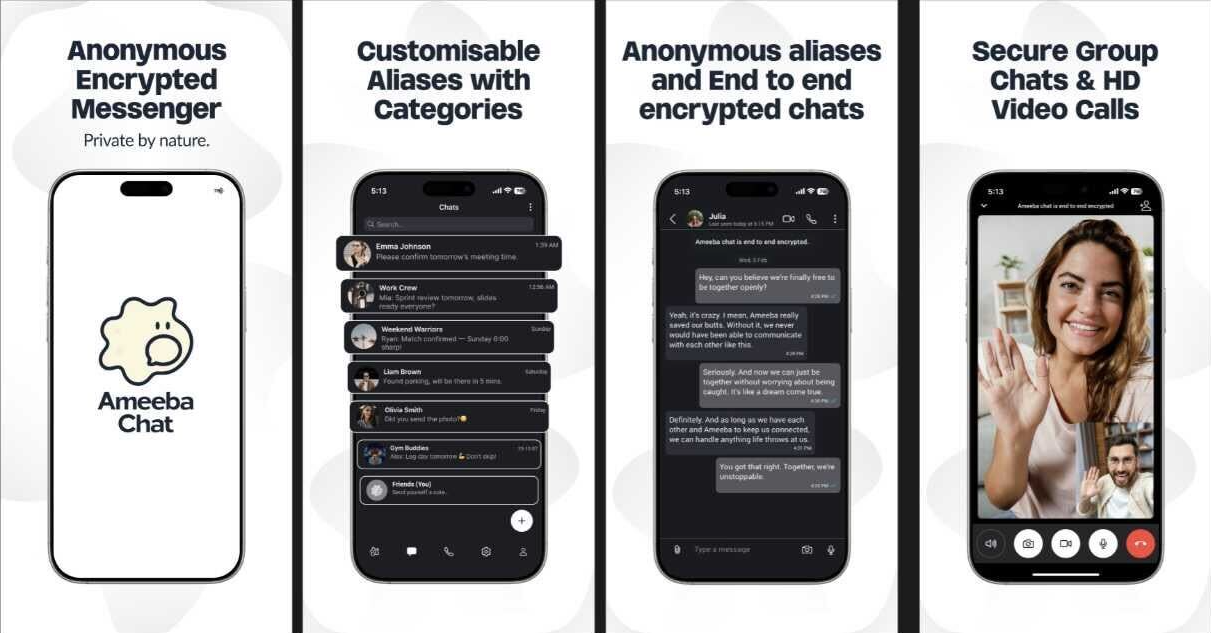
Ameeba Chat gives you a way out.
- • No phone number
- • No email
- • No personal info
- • Anonymous aliases
- • End-to-end encrypted
Chat without a trace.
Product | Affected Versions
SonicOS SSLVPN | All versions prior to the patched version
How the Exploit Works
The exploit targets a Null Pointer Dereference vulnerability in the SonicOS SSLVPN Virtual office interface. An unauthorized user can send a specially crafted request to the interface, causing the system to reference a null pointer, consequently crashing the system and leading to a potential Denial-of-Service (DoS) condition.
Conceptual Example Code
Here’s a conceptual example of how the vulnerability might be exploited. This could be a sample HTTP request to the vulnerable interface:
GET /vulnerable/sslvpninterface HTTP/1.1
Host: target.example.com
Content-Type: application/json
{ "malicious_payload": "Null Pointer Dereference trigger" }
The malicious_payload here is designed to trigger the Null Pointer Dereference vulnerability in the SonicOS SSLVPN Virtual Office interface, thereby causing the system to crash and potentially leading to a Denial-of-Service (DoS) condition.
Remember that this is only a conceptual example and actual exploit code may vary based on the specific system configuration and vulnerability details.
