
Overview
The vulnerability identified as CVE-2025-32585 is a significant security flaw discovered in Trusty Plugins Shop Products Filter. It relates to a path traversal vulnerability that can potentially be exploited to allow PHP Local File Inclusion. This vulnerability poses a severe risk to any system using versions up to 1.2 of the Shop Products Filter, leading to potential system compromise or data leakage.
Vulnerability Summary
CVE ID: CVE-2025-32585
Severity: High (7.5 CVSS Score)
Attack Vector: Network
Privileges Required: None
User Interaction: None
Impact: System compromise and potential data leakage
Affected Products
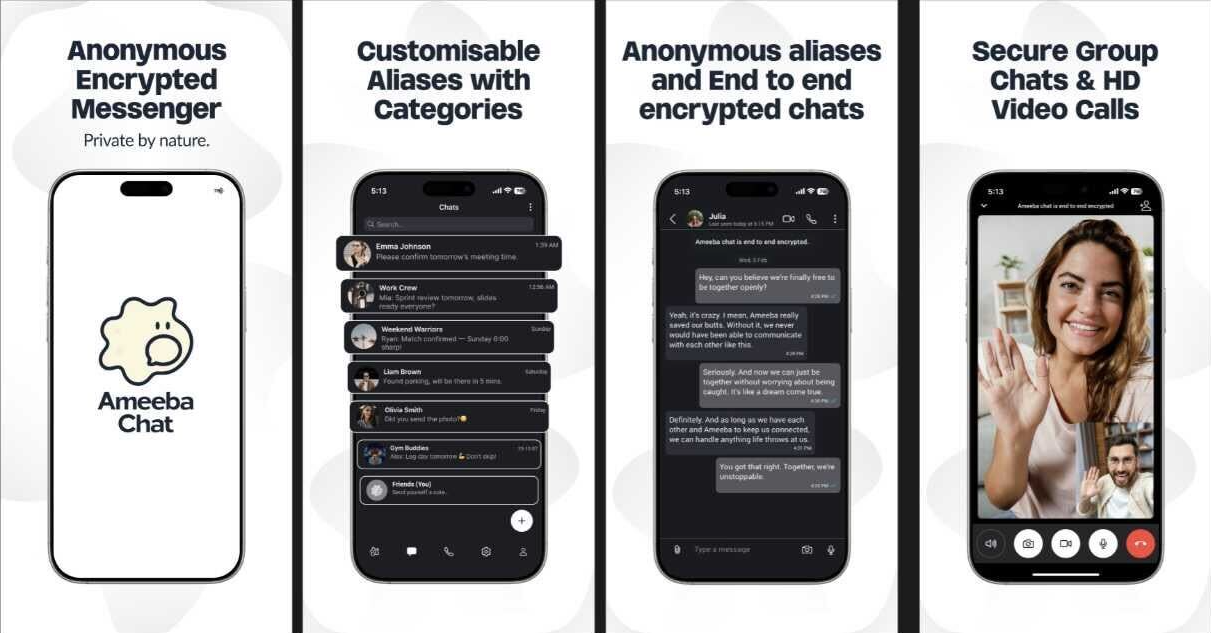
 Escape the Surveillance Era
Most apps won’t tell you the truth.
They’re part of the problem.
Phone numbers. Emails. Profiles. Logs.
It’s all fuel for surveillance.
Ameeba Chat gives you a way out.
- • No phone number
- • No email
- • No personal info
- • Anonymous aliases
- • End-to-end encrypted
Chat without a trace.
Product | Affected Versions
Trusty Plugins Shop Products Filter | Up to and including 1.2
How the Exploit Works
The exploit takes advantage of a path traversal vulnerability in the Shop Products Filter. By manipulating file paths in requests, an attacker can trick the system into running or including files from arbitrary locations, leading to PHP Local File Inclusion. This can enable the execution of arbitrary PHP code on the system, potentially leading to full system compromise and data leakage.
Conceptual Example Code
Here is a conceptual example of how a malicious HTTP request exploiting this vulnerability might look:
GET /filter.php?file=../../../../etc/passwd HTTP/1.1
Host: target.example.com
In this example, the attacker is attempting to access the ‘/etc/passwd’ file, which contains user password data. If successful, this attack could lead to unauthorized access to sensitive system data.
Mitigation Guidance
To protect against this vulnerability, users should apply any patches provided by the vendor as soon as possible. As a temporary measure, using a Web Application Firewall (WAF) or Intrusion Detection System (IDS) can help detect and block attempts to exploit this vulnerability.
