
Overview
The CVE-2025-32442 vulnerability exposes a flaw in Fastify, a widely used web framework for Node.js. This security flaw, present in versions 5.0.0 to 5.3.0, allows an attacker to bypass content type validation by subtly altering the content type. This vulnerability could lead to potential system compromise or data leakage, posing a serious risk to any web application using the affected Fastify versions.
Vulnerability Summary
CVE ID: CVE-2025-32442
Severity: High (CVSS: 7.5)
Attack Vector: Network
Privileges Required: None
User Interaction: None
Impact: System compromise or potential data leakage
Affected Products
 Escape the Surveillance Era
Most apps won’t tell you the truth.
They’re part of the problem.
Phone numbers. Emails. Profiles. Logs.
It’s all fuel for surveillance.
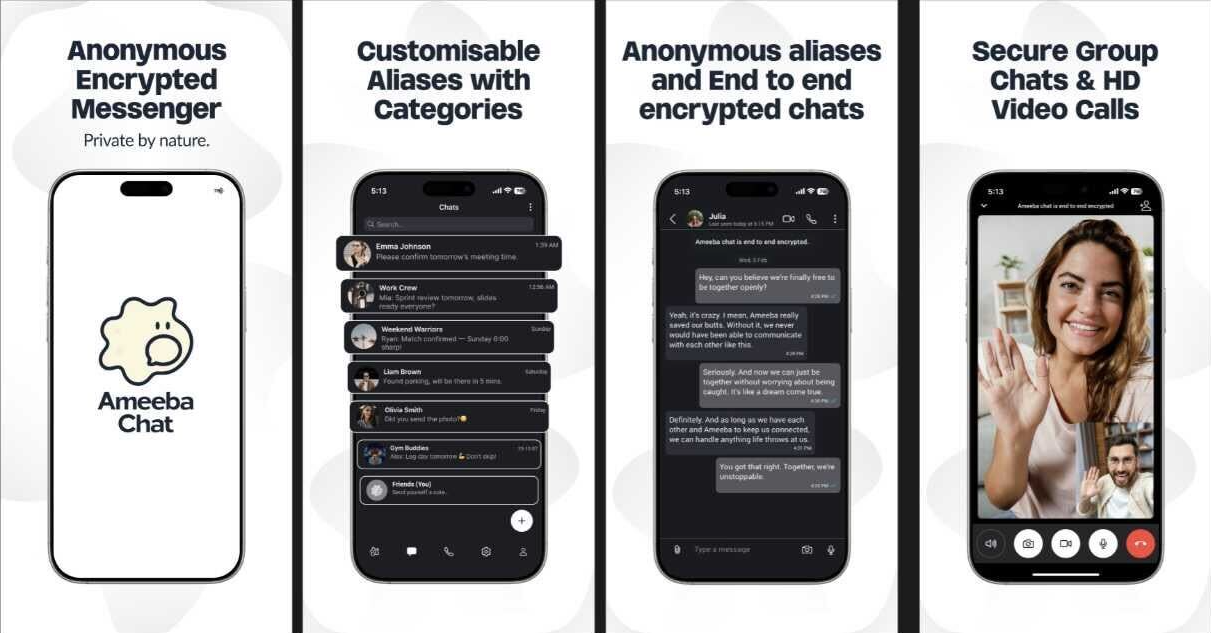
Ameeba Chat gives you a way out.
- • No phone number
- • No email
- • No personal info
- • Anonymous aliases
- • End-to-end encrypted
Chat without a trace.
Product | Affected Versions
Fastify | 5.0.0 to 5.3.0
How the Exploit Works
The exploit makes use of a flaw in Fastify’s handling of content type validation. If an application specifies different validation strategies for different content types, an attacker can bypass this validation by providing a slightly altered content type. This alteration could be as simple as changing the casing or adding extra whitespace before a semicolon.
Conceptual Example Code
Here is a conceptual example of how this vulnerability might be exploited:
POST /vulnerable/endpoint HTTP/1.1
Host: target.example.com
Content-Type: application/Json ; charset=utf-8
{ "malicious_payload": "..." }
In this example, the attacker has changed the casing of the “json” in the content type and added extra space before the semicolon. This bypasses the validation and allows the malicious payload to be processed.
Mitigation
The issue has been fully patched in Fastify version 5.3.2. Users are highly advised to update their Fastify version to this latest release. As a temporary measure, a workaround involves not specifying individual content types in the schema. Alternatively, using a Web Application Firewall (WAF) or an Intrusion Detection System (IDS) can serve as a temporary mitigation until the patch can be applied.
