
Overview
A significant vulnerability, identified as CVE-2025-32397, has been found in RT-Labs P-Net version 1.0.1 or earlier. This vulnerability, stemming from a Heap-based Buffer Overflow, impacts IO devices that employ this library. It is particularly significant due to it allowing an attacker to crash these devices by sending a malicious RPC packet.
Vulnerability Summary
CVE ID: CVE-2025-32397
Severity: High (CVSS: 7.5)
Attack Vector: Network
Privileges Required: None
User Interaction: None
Impact: The successful exploit of this vulnerability could lead to system compromise and potential data leakage.
Affected Products
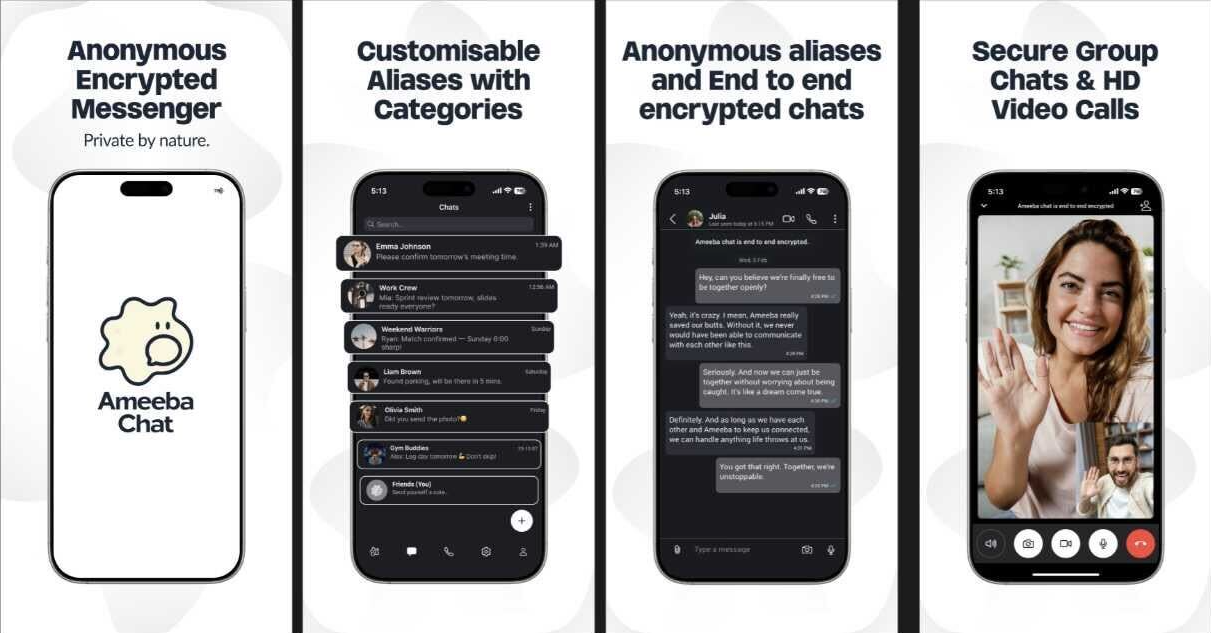
 Escape the Surveillance Era
Most apps won’t tell you the truth.
They’re part of the problem.
Phone numbers. Emails. Profiles. Logs.
It’s all fuel for surveillance.
Ameeba Chat gives you a way out.
- • No phone number
- • No email
- • No personal info
- • Anonymous aliases
- • End-to-end encrypted
Chat without a trace.
Product | Affected Versions
RT-Labs P-Net | 1.0.1 and earlier
How the Exploit Works
The exploit works by an attacker sending a malicious RPC (Remote Procedure Call) packet to an IO device using the vulnerable version of RT-Labs P-Net. This results in a Heap-based Buffer Overflow, which in turn induces a system crash. This could potentially be used to compromise the system or lead to data leakage.
Conceptual Example Code
Although this is a network-based attack, here’s a conceptual representation of a malicious RPC packet that could be used to exploit the vulnerability.
POST /RPC2 HTTP/1.1
Host: target.example.com
Content-Type: application/xml
<?xml version="1.0"?>
<methodCall>
<methodName>system.method</methodName>
<params>
<param>
<value><string>Malicious_Buffer_Overflow_String</string></value>
</param>
</params>
</methodCall>
Note: This example does not represent actual exploit code, but rather serves to illustrate the general concept of how the vulnerability could be exploited.
Mitigation
Users are advised to apply the vendor-supplied patch as the primary mitigation strategy. If this is not immediately possible, employing a Web Application Firewall (WAF) or Intrusion Detection System (IDS) can serve as temporary mitigation. Always ensure that your systems are running the latest versions of all software and that all patches are applied promptly to reduce vulnerability.
