
Overview
The CVE-2025-32396 vulnerability is a critical flaw present in RT-Labs P-Net version 1.0.1 or earlier. This vulnerability results from a heap-based buffer overflow, which allows an attacker to crash IO devices using the library by sending a malicious RPC packet. Since a successful attack could potentially lead to system compromise or data leakage, this vulnerability demands immediate attention and remediation.
Vulnerability Summary
CVE ID: CVE-2025-32396
Severity: High (CVSS: 7.5)
Attack Vector: Network
Privileges Required: None
User Interaction: None
Impact: Possible system compromise and data leakage
Affected Products
 Escape the Surveillance Era
Most apps won’t tell you the truth.
They’re part of the problem.
Phone numbers. Emails. Profiles. Logs.
It’s all fuel for surveillance.
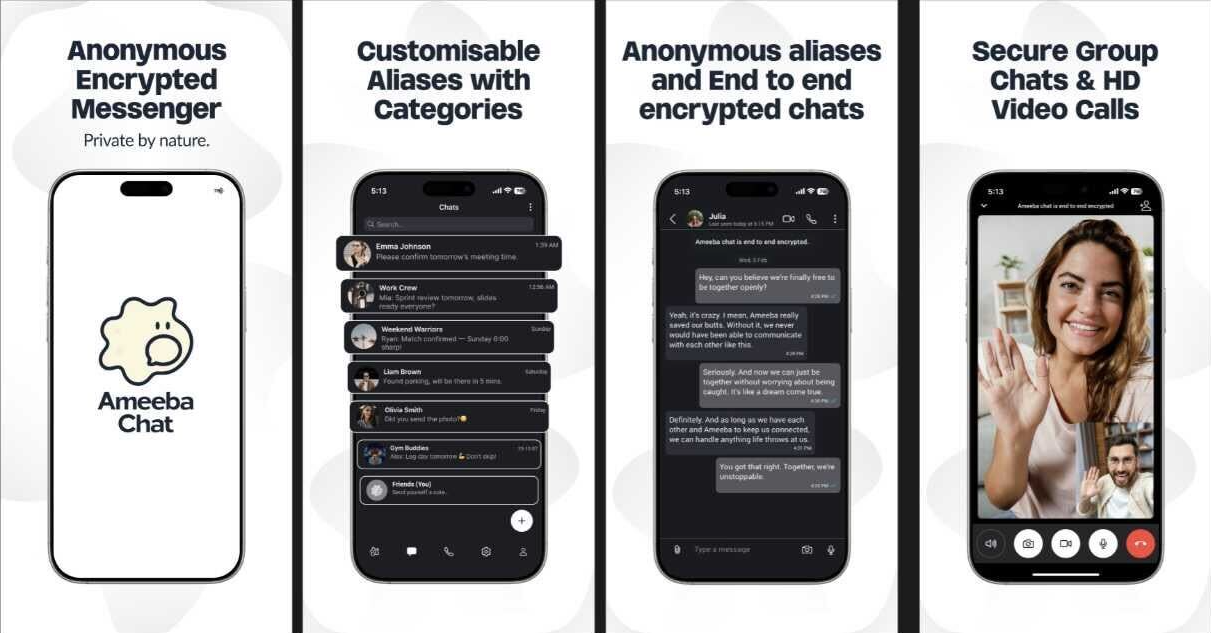
Ameeba Chat gives you a way out.
- • No phone number
- • No email
- • No personal info
- • Anonymous aliases
- • End-to-end encrypted
Chat without a trace.
Product | Affected Versions
RT-Labs P-Net | 1.0.1 or earlier
How the Exploit Works
The exploitation of this vulnerability revolves around the manipulation of a heap-based buffer overflow in the RT-Labs P-Net software. By sending a specifically crafted RPC packet to the target IO device using the vulnerable library, an attacker could cause the system to crash. This crash could potentially allow further exploits, leading to system compromise or data leakage.
Conceptual Example Code
The following is a conceptual demonstration of how the vulnerability might be exploited. This pseudocode aims to create a malicious RPC packet to trigger the heap-based buffer overflow.
import socket
target_IP = "target_IP_here"
target_port = "target_port_here"
# Crafting a malicious RPC packet
malicious_packet = bytes("Overflowing data...", "utf-8") * 1024
# Sending the malicious RPC packet
s = socket.socket(socket.AF_INET, socket.SOCK_STREAM)
s.connect((target_IP, target_port))
s.sendall(malicious_packet)
s.close()
Mitigation Guidance
The best course of action to mitigate this vulnerability is to apply the vendor-provided patch. If the patch cannot be applied immediately, the use of a Web Application Firewall (WAF) or Intrusion Detection System (IDS) can serve as temporary mitigation to prevent the exploitation of this vulnerability. Regularly updating and patching systems can also help prevent such vulnerabilities in the future.
