
Overview
This report covers CVE-2025-31635, a critical Path Traversal vulnerability discovered in LambertGroup’s CLEVER product. This flaw could potentially allow an attacker to bypass restrictions and access files or directories that they should not have access to. As a result, the integrity, confidentiality, and availability of the affected systems could be compromised, making this issue a significant concern for users of CLEVER.
Vulnerability Summary
CVE ID: CVE-2025-31635
Severity: High (7.5 CVSS Score)
Attack Vector: Network
Privileges Required: None
User Interaction: None
Impact: Potential system compromise or data leakage
Affected Products
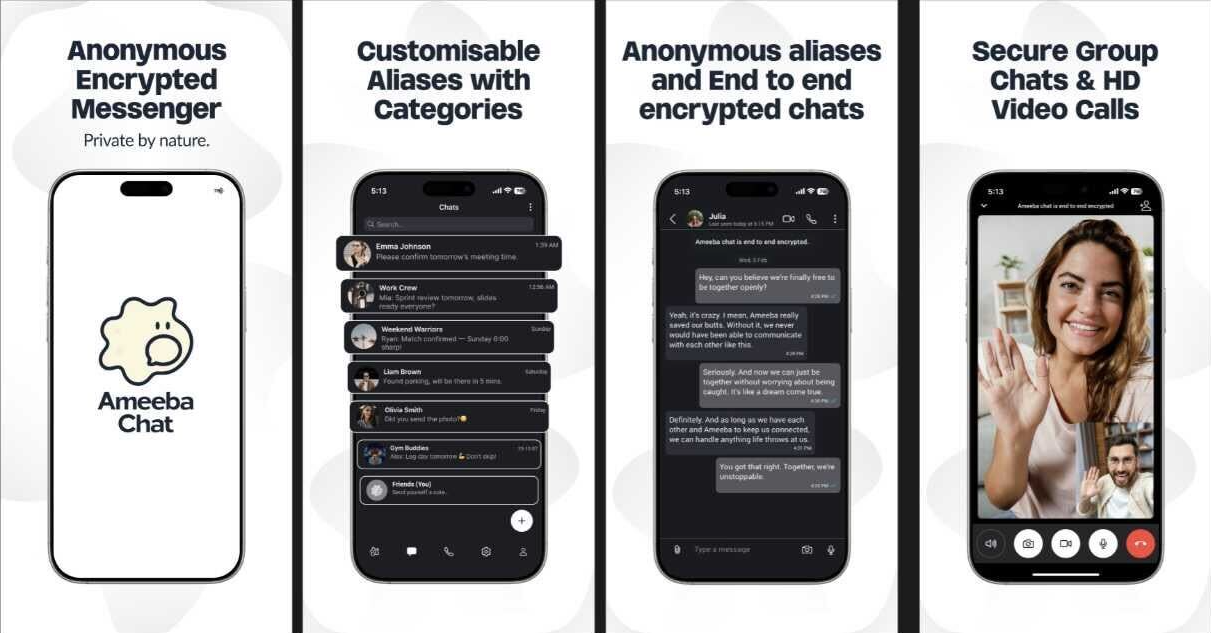
 Escape the Surveillance Era
Most apps won’t tell you the truth.
They’re part of the problem.
Phone numbers. Emails. Profiles. Logs.
It’s all fuel for surveillance.
Ameeba Chat gives you a way out.
- • No phone number
- • No email
- • No personal info
- • Anonymous aliases
- • End-to-end encrypted
Chat without a trace.
Product | Affected Versions
LambertGroup CLEVER | n/a – 2.6
How the Exploit Works
The Path Traversal vulnerability in LambertGroup’s CLEVER product allows an attacker to manipulate variables that reference files with ‘..’ sequences and its variations. Consequently, this can cause the application to access files or directories outside of the restricted directory, potentially leading to sensitive information exposure, system compromise, or data leakage.
Conceptual Example Code
Here is a conceptual example of a HTTP request that could exploit this vulnerability:
GET /file?filename=../../../etc/passwd HTTP/1.1
Host: vulnerable-clever.com
In this example, the attacker attempts to traverse the file system to the “/etc/passwd” file, which could reveal sensitive information about the system’s users.
Mitigation Guidance
Users of the affected versions of LambertGroup CLEVER are strongly advised to apply the vendor-supplied patch as soon as possible. As a temporary mitigation measure, users can make use of a Web Application Firewall (WAF) or Intrusion Detection System (IDS) to protect against potential exploitation of this vulnerability. However, these measures should not replace the need for patching and updating the software to a secure version.
