
Overview
This report pertains to a critical vulnerability, CVE-2025-31490, discovered in the AutoGPT platform, a popular tool used for creating, deploying, and managing AI agents. This vulnerability, stemming from DNS Rebinding in the requests wrapper, could lead to potential system compromise or data leakage. Its significance lies in the fact that it affects a broad range of users and could lead to serious security breaches if not addressed promptly.
Vulnerability Summary
CVE ID: CVE-2025-31490
Severity: High (CVSS: 7.5)
Attack Vector: Network
Privileges Required: None
User Interaction: None
Impact: System compromise, Data leakage
Affected Products
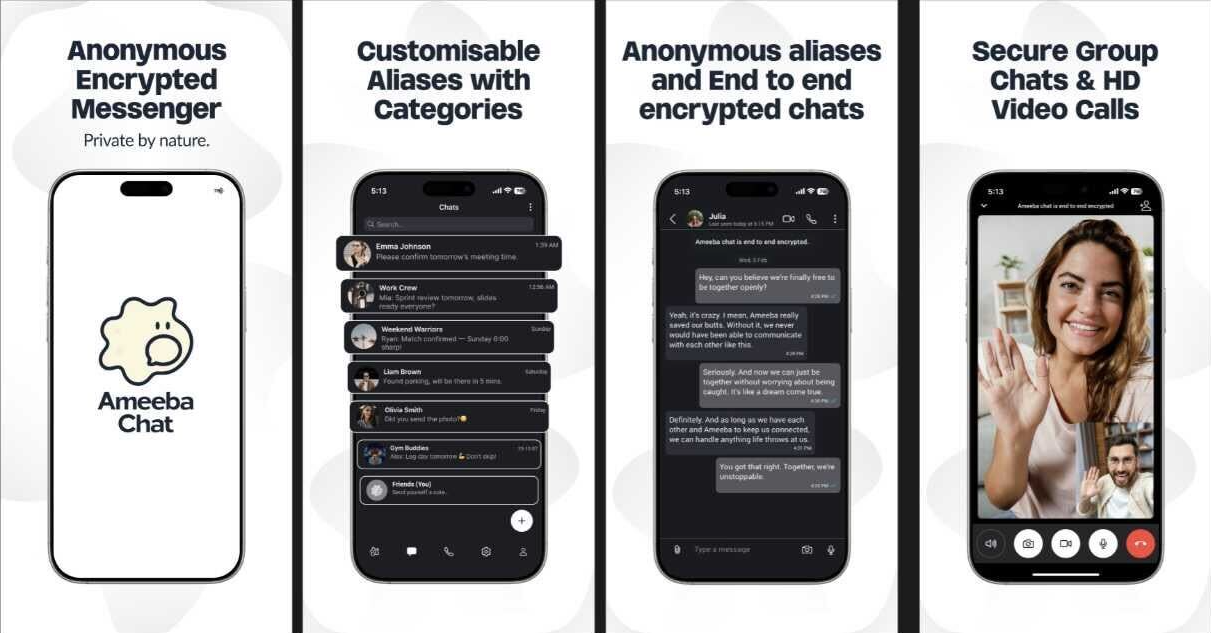
 Escape the Surveillance Era
Most apps won’t tell you the truth.
They’re part of the problem.
Phone numbers. Emails. Profiles. Logs.
It’s all fuel for surveillance.
Ameeba Chat gives you a way out.
- • No phone number
- • No email
- • No personal info
- • Anonymous aliases
- • End-to-end encrypted
Chat without a trace.
Product | Affected Versions
AutoGPT | Prior to 0.6.1
How the Exploit Works
The vulnerability arises due to the inadequate validation of the requested hostname of a URL in AutoGPT’s wrapper around Python’s requests library. Although the platform attempts to validate the hostname to ensure it does not resolve to any local IPv4 or IPv6 addresses, it fails to account for the possibility of a DNS server initially responding with a non-blocked address with a TTL of 0. This could lead to a DNS rebinding attack, where the initial resolution appears as a non-blocked address, only to resolve to an invalid range upon re-resolution in the subsequent request() function.
Conceptual Example Code
Below is a conceptual example of how this vulnerability might be exploited:
GET /autogpt_platform/backend/backend/util/request.py HTTP/1.1
Host: vulnerable.example.com
DNS: malicious.example.com; TTL=0
{ "url": "http://localhost" }
In this example, the `GET` request is made to the vulnerable endpoint with a malicious DNS that initially resolves to a non-blocked address (due to TTL=0) but later resolves to a local address, thereby bypassing the initial URL validation and leading to an SSRF attack.
