
Overview
This report discusses CVE-2025-31041, a security vulnerability in the AnyTrack Affiliate Link Manager. This vulnerability stems from a missing authorization check, which can lead to exploitation of incorrectly configured access control security levels. This crucial issue affects businesses and individuals using AnyTrack Affiliate Link Manager, potentially leading to system compromise and data leakage.
Vulnerability Summary
CVE ID: CVE-2025-31041
Severity: High (7.5/10 CVSS Score)
Attack Vector: Network
Privileges Required: None
User Interaction: None
Impact: A successful exploit could lead to system compromise and data leakage.
Affected Products
 Escape the Surveillance Era
Most apps won’t tell you the truth.
They’re part of the problem.
Phone numbers. Emails. Profiles. Logs.
It’s all fuel for surveillance.
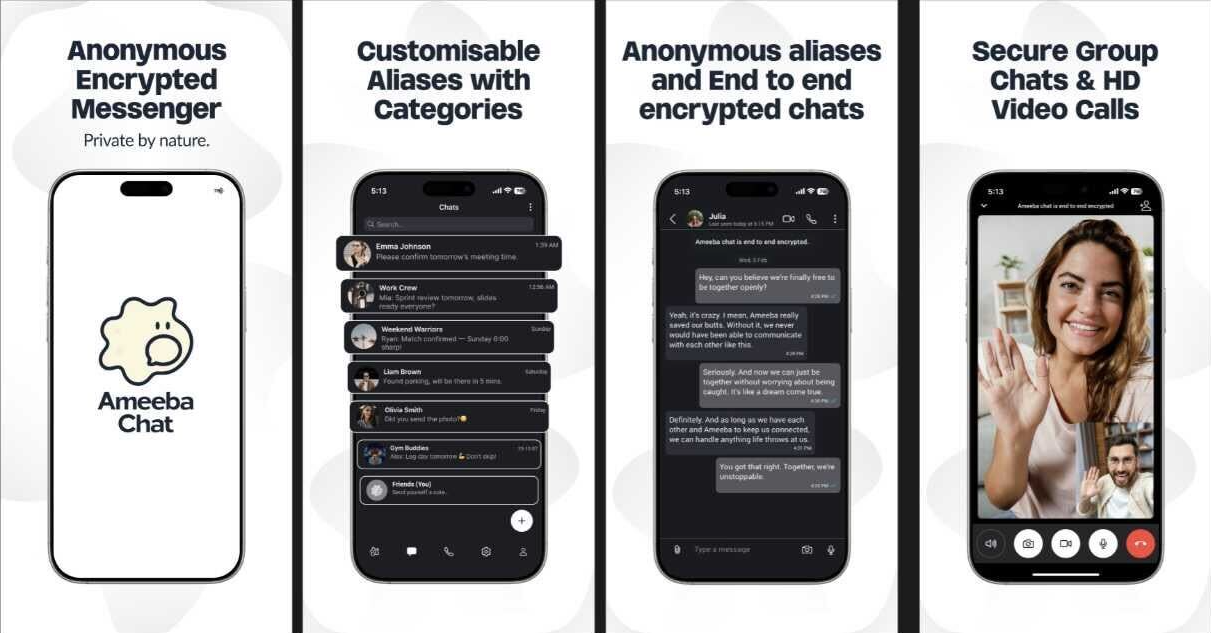
Ameeba Chat gives you a way out.
- • No phone number
- • No email
- • No personal info
- • Anonymous aliases
- • End-to-end encrypted
Chat without a trace.
Product | Affected Versions
AnyTrack Affiliate Link Manager | Up to version 1.0.4
How the Exploit Works
The exploit targets a missing authorization vulnerability in AnyTrack Affiliate Link Manager. An attacker could potentially manipulate access control security levels due to the system’s incorrectly configured settings. This could allow unauthorized access to sensitive data or even grant the attacker control over the system.
Conceptual Example Code
The example below displays a conceptual HTTP request that an attacker might use to exploit this vulnerability.
POST /anytrackapi/endpoint HTTP/1.1
Host: target.example.com
Content-Type: application/json
{ "accessOverride": "admin" }
In this concept, the attacker sends a POST request to the affected endpoint, attempting to override access control by setting their role to “admin.” If successful, this would give them unauthorized access to the system.
Mitigation Guidance
Users are strongly advised to apply the vendor-supplied patch to correct this issue. Until the patch can be applied, users can employ a Web Application Firewall (WAF) or Intrusion Detection System (IDS) as a temporary mitigation measure to prevent potential exploits of this vulnerability.
