
Overview
A serious vulnerability, identified as CVE-2025-30724, has been discovered in the Oracle BI Publisher product of Oracle Analytics. This vulnerability affects versions 7.6.0.0.0 and 12.2.1.4.0 and could allow an unauthenticated attacker to gain unauthorized access to critical data or gain complete access to all Oracle BI Publisher accessible data. Given the potential system compromise or data leakage, it’s imperative to understand, detect, and mitigate this vulnerability.
Vulnerability Summary
CVE ID: CVE-2025-30724
Severity: Critical (CVSS: 7.5)
Attack Vector: Network
Privileges Required: None
User Interaction: None
Impact: Unauthorized access to critical data or complete access to all Oracle BI Publisher accessible data
Affected Products
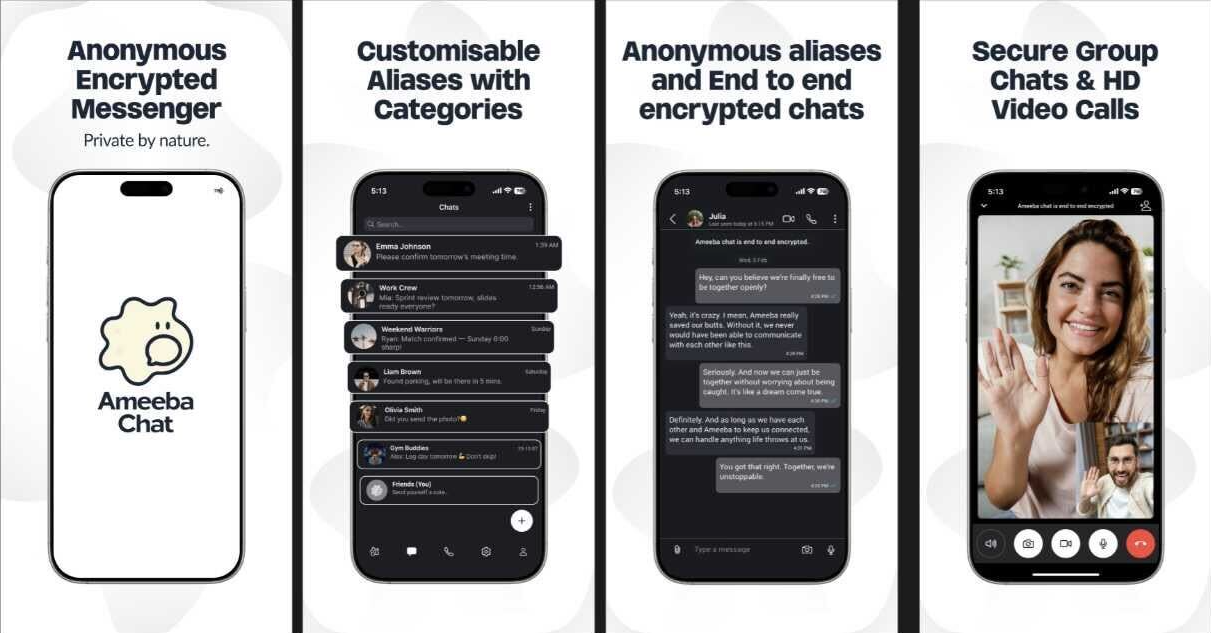
 Escape the Surveillance Era
Most apps won’t tell you the truth.
They’re part of the problem.
Phone numbers. Emails. Profiles. Logs.
It’s all fuel for surveillance.
Ameeba Chat gives you a way out.
- • No phone number
- • No email
- • No personal info
- • Anonymous aliases
- • End-to-end encrypted
Chat without a trace.
Product | Affected Versions
Oracle BI Publisher | 7.6.0.0.0
Oracle BI Publisher | 12.2.1.4.0
How the Exploit Works
The vulnerability lies in the XML Services component of Oracle BI Publisher. An attacker can exploit this vulnerability by sending a specially crafted HTTP request to the affected software over the network. Given that the attack requires no user interaction or privileges, it poses a high risk, as any remote unauthenticated attacker can exploit it.
Conceptual Example Code
Here’s an example of how the vulnerability might be exploited. Please note that this is a conceptual example and the actual exploit could be different:
POST /xml_services/ HTTP/1.1
Host: vulnerable-Oracle-BI-Publisher
Content-Type: application/xml
<xml>
{ "malicious_payload": "..." }
</xml>
Upon receipt of this request, the vulnerable component may process the malicious payload, leading to unauthorized access to critical data.
Mitigation
Oracle has released a patch to address this vulnerability. It is strongly advised to apply the vendor patch as soon as possible. As a temporary mitigation, users can utilize a Web Application Firewall (WAF) or an Intrusion Detection System (IDS) to detect and block attempts to exploit this vulnerability. However, these measures are not a substitute for patching the underlying vulnerability.
