
Overview
The CVE-2025-30686 vulnerability is a major security flaw found in the Oracle Hospitality Simphony product of Oracle Food and Beverage Applications. This vulnerability poses a serious threat to the integrity and confidentiality of data, with the potential for system compromise or data leakage. Given the wide usage of Oracle Hospitality Simphony in the food and beverage industry, this vulnerability could have significant impacts on businesses if not addressed timely.
Vulnerability Summary
CVE ID: CVE-2025-30686
Severity: High (CVSS: 7.6)
Attack Vector: Network (via HTTP)
Privileges Required: Low
User Interaction: None
Impact: Unauthorized access to critical data, potential for partial Denial of Service (DOS), and unauthorized modification of Oracle Hospitality Simphony accessible data.
Affected Products
 Escape the Surveillance Era
Most apps won’t tell you the truth.
They’re part of the problem.
Phone numbers. Emails. Profiles. Logs.
It’s all fuel for surveillance.
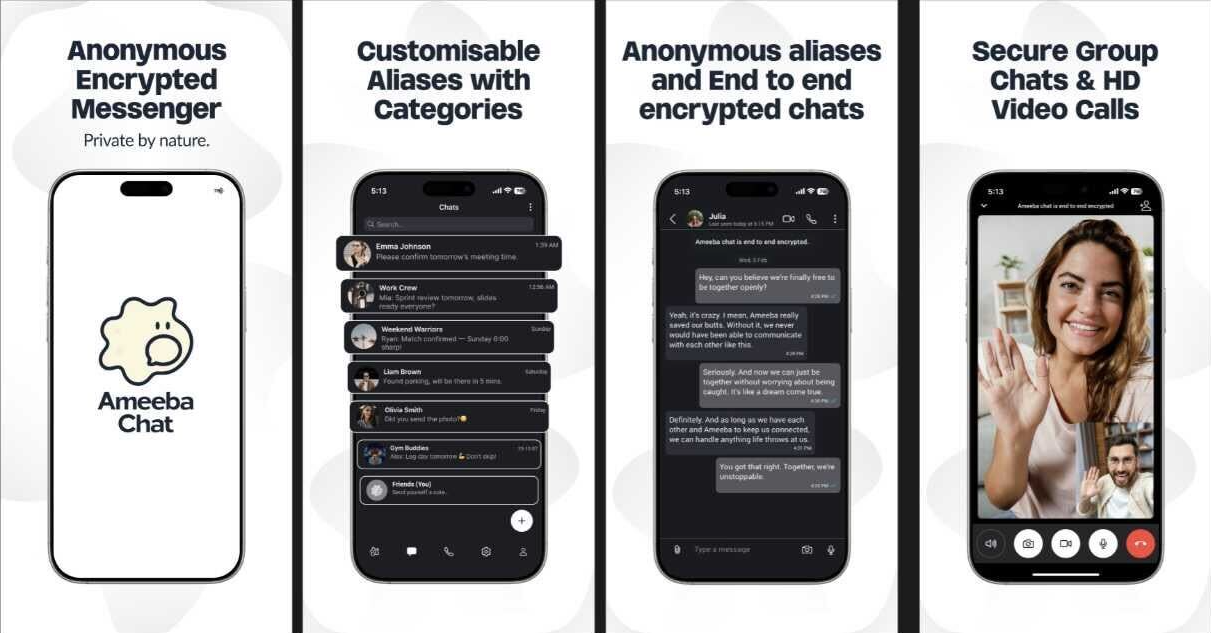
Ameeba Chat gives you a way out.
- • No phone number
- • No email
- • No personal info
- • Anonymous aliases
- • End-to-end encrypted
Chat without a trace.
Product | Affected Versions
Oracle Hospitality Simphony | 19.1-19.7
How the Exploit Works
An attacker with low privileged access can exploit this vulnerability by sending specially crafted HTTP requests to the affected Oracle Hospitality Simphony product. The vulnerability allows for the compromise of the Oracle application due to a flaw in the EMC component. Once successful, the attacker could gain unauthorized access to critical data, modify or delete some of the accessible data, and even cause a partial denial of service.
Conceptual Example Code
POST /EMC/endpoint HTTP/1.1
Host: target.example.com
Content-Type: application/json
{ "exploit_data": "<malicious_code>" }
In the above conceptual example, the attacker sends a POST request containing the malicious code in the “exploit_data” parameter to the vulnerable EMC endpoint.
Mitigation Guidance
Users are advised to apply the vendor patch as soon as it becomes available. In the meantime, mitigation can be achieved by deploying a Web Application Firewall (WAF) or Intrusion Detection System (IDS) to monitor and block suspicious network traffic. Regular security audits and monitoring are also recommended to detect any unusual activity.
