
Overview
The CVE-2025-30192 vulnerability is a critical security flaw that could allow an attacker to spoof answers to ECS (EDNS Client Subnet) enabled requests sent by the Recursor. This vulnerability has a higher chance of success than non-ECS enabled queries, posing a significant threat to data integrity and system security. It affects all systems using specific versions of the Recursor software, and could lead to potential system compromise or data leakage if not addressed.
Vulnerability Summary
CVE ID: CVE-2025-30192
Severity: High Risk (CVSS 7.5)
Attack Vector: Network
Privileges Required: None
User Interaction: None
Impact: System compromise, unauthorized data access and potential data leakage
Affected Products
 Escape the Surveillance Era
Most apps won’t tell you the truth.
They’re part of the problem.
Phone numbers. Emails. Profiles. Logs.
It’s all fuel for surveillance.
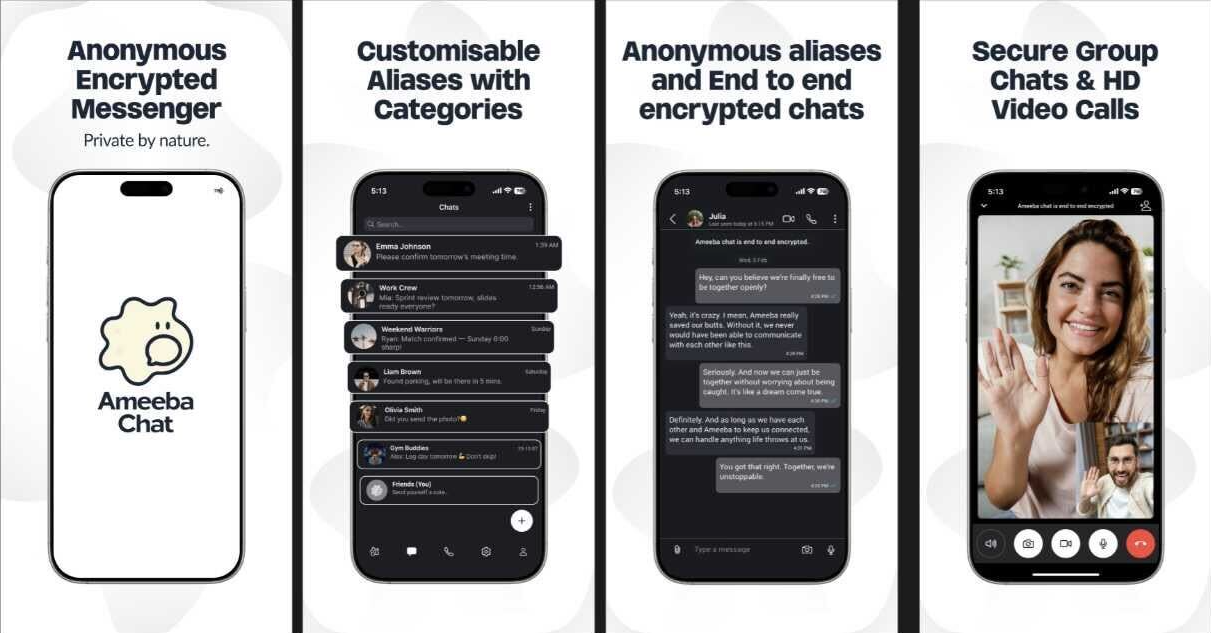
Ameeba Chat gives you a way out.
- • No phone number
- • No email
- • No personal info
- • Anonymous aliases
- • End-to-end encrypted
Chat without a trace.
Product | Affected Versions
Recursor | All versions prior to the patched update
How the Exploit Works
An attacker can exploit this vulnerability by sending ECS-enabled requests to the vulnerable Recursor. The attacker then spoofs the responses to these requests, with a higher chance of success compared to non-ECS enabled queries. If successful, the attacker can manipulate the system’s behavior or gain unauthorized access to sensitive data.
Conceptual Example Code
Below is a conceptual example of how an attacker might exploit this vulnerability:
GET /vulnerable/endpoint HTTP/1.1
Host: target.example.com
Content-Type: application/dns-message
{ "ECS_enabled_request": "spoofed_answer" }
In this example, the attacker sends a GET request to a vulnerable endpoint with an ECS enabled request. The “spoofed_answer” is then returned, potentially resulting in unauthorized system behavior or data leakage.
Mitigation Guidance
A patch has been released by the software vendor to address this vulnerability. Users are advised to apply this patch immediately. If unable to apply the patch, users should consider using a Web Application Firewall (WAF) or Intrusion Detection System (IDS) as a temporary mitigation measure. Users are also advised to enable the `outgoing.edns_subnet_harden` setting for stricter validation of responses to ECS enabled requests.
