
Overview
The vulnerability CVE-2025-29969 is a critical security flaw found in Windows Fundamentals, which could potentially allow an authorized attacker to execute malicious code over a network. This vulnerability is significant due to the widespread use of Windows systems worldwide and could lead to serious security breaches, including complete system compromise or data leakage.
Vulnerability Summary
CVE ID: CVE-2025-29969
Severity: High (7.5 CVSS Score)
Attack Vector: Network
Privileges Required: Low
User Interaction: None
Impact: Potential system compromise and data leakage.
Affected Products
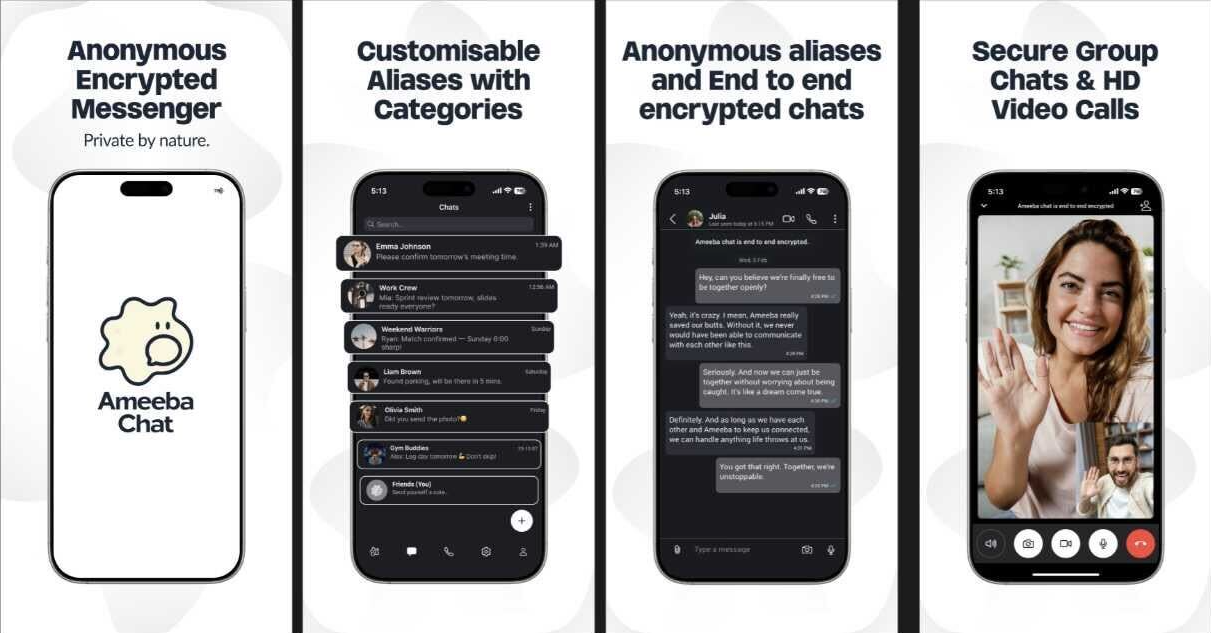
 Escape the Surveillance Era
Most apps won’t tell you the truth.
They’re part of the problem.
Phone numbers. Emails. Profiles. Logs.
It’s all fuel for surveillance.
Ameeba Chat gives you a way out.
- • No phone number
- • No email
- • No personal info
- • Anonymous aliases
- • End-to-end encrypted
Chat without a trace.
Product | Affected Versions
Windows Fundamentals | All versions up to the latest
How the Exploit Works
The exploit works by leveraging a Time-of-check Time-of-use (TOCTOU) race condition in Windows Fundamentals. An attacker can manipulate the timing of operations to execute unauthorized commands or access sensitive data. This occurs when the system checks an operation’s permissions and when the operation is performed. If the state of the system changes between these two events, it may allow the attacker to carry out actions they would otherwise be prevented from doing.
Conceptual Example Code
Below is a conceptual example of how the vulnerability might be exploited using a shell command:
# Attacker monitors the system for a vulnerable operation
monitor_operation(){
while true; do
if [ -f /path/to/vulnerable/file ]; then
# Launch malicious actions when the vulnerable operation is detected
malicious_actions
fi
done
}
# Attacker's malicious actions
malicious_actions(){
echo "malicious code" > /path/to/vulnerable/file
}
# Attacker starts monitoring
monitor_operation &
This conceptual example demonstrates how an attacker could monitor a system for a vulnerable operation and then execute malicious actions when the operation is detected. This is a simplification of the actual exploit but illustrates the general mechanism of a TOCTOU race condition.
