
Overview
CVE-2025-29842 refers to a critical vulnerability in UrlMon that allows an unauthorized attacker to bypass a security feature by blending extraneous untrusted data with trusted data. This vulnerability is particularly concerning as it could potentially lead to system compromise or data leakage, affecting any system or application relying on UrlMon.
Vulnerability Summary
CVE ID: CVE-2025-29842
Severity: High (7.5 CVSS Score)
Attack Vector: Network
Privileges Required: None
User Interaction: None
Impact: Potential system compromise or data leakage
Affected Products
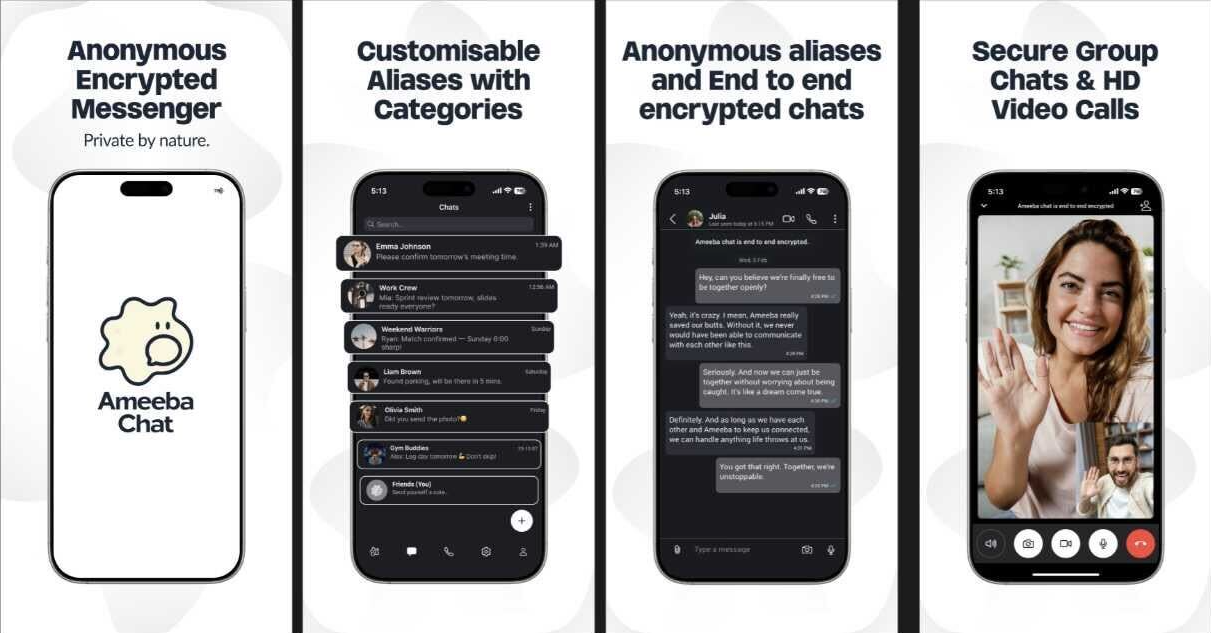
 Escape the Surveillance Era
Most apps won’t tell you the truth.
They’re part of the problem.
Phone numbers. Emails. Profiles. Logs.
It’s all fuel for surveillance.
Ameeba Chat gives you a way out.
- • No phone number
- • No email
- • No personal info
- • Anonymous aliases
- • End-to-end encrypted
Chat without a trace.
Product | Affected Versions
UrlMon | All versions before patch
How the Exploit Works
The vulnerability arises from a flaw in UrlMon where it does not properly differentiate between trusted and untrusted data input. An attacker can exploit this by merging untrusted data with trusted data, thus bypassing the security feature. This could potentially grant unauthorized access to sensitive data or even allow control over the system.
Conceptual Example Code
Here is a conceptual example of how the vulnerability might be exploited:
POST /vulnerable/endpoint HTTP/1.1
Host: target.example.com
Content-Type: application/json
{
"trusted_data": "..."
"untrusted_data": "malicious_payload"
}
In this hypothetical scenario, an attacker sends a POST request to a vulnerable endpoint with both trusted and untrusted data. The untrusted data contains a malicious payload that the system accepts due to the flaw in UrlMon.
It is essential to address this vulnerability immediately. The recommended mitigation strategy is to apply the vendor patch as soon as it becomes available. As a temporary measure, using a Web Application Firewall (WAF) or Intrusion Detection System (IDS) might help detect and prevent exploitation attempts.
