
Overview
The vulnerability identified as CVE-2025-29745 is a critical issue affecting the scanning module of Emsisoft Anti-Malware prior to 2024.12. This vulnerability allows attackers on a remote server to obtain sensitive information, specifically Net-NTLMv2 hash. It is highly significant due to its potential to compromise system security and cause data leakage.
Vulnerability Summary
CVE ID: CVE-2025-29745
Severity: High (7.5 CVSS Score)
Attack Vector: Network
Privileges Required: None
User Interaction: None
Impact: System compromise and potential data leakage
Affected Products
 Escape the Surveillance Era
Most apps won’t tell you the truth.
They’re part of the problem.
Phone numbers. Emails. Profiles. Logs.
It’s all fuel for surveillance.
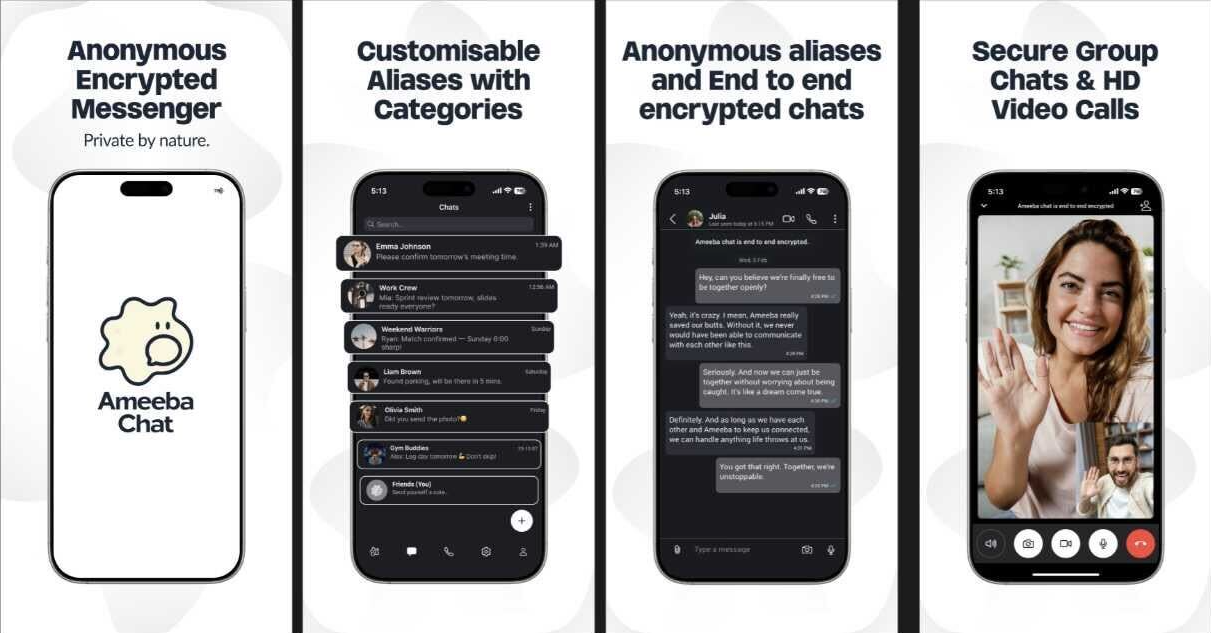
Ameeba Chat gives you a way out.
- • No phone number
- • No email
- • No personal info
- • Anonymous aliases
- • End-to-end encrypted
Chat without a trace.
Product | Affected Versions
Emsisoft Anti-Malware | Versions prior to 2024.12
How the Exploit Works
The exploit takes advantage of a flaw in the scanning module of Emsisoft Anti-Malware. Attackers can create a specially crafted A2S (Emsisoft Custom Scan) extension file that, when processed by the vulnerable software, reveals the Net-NTLMv2 hash information. This hash can then be used for further unauthorized activities, including potential system compromise and data leakage.
Conceptual Example Code
To illustrate, an attacker might use a malicious A2S file like the pseudocode below:
POST /upload_A2S HTTP/1.1
Host: target.example.com
Content-Type: application/octet-stream
Content-Disposition: form-data; name="file"; filename="exploit.a2s"
Authorization: Bearer <Token>
{ "malicious_A2S_content": "..." }
In this example, the “malicious_A2S_content” represents the specially crafted A2S file which, when scanned by the vulnerable software, would expose the Net-NTLMv2 hash information. The attacker would then obtain the hash data and use it for further malicious activities.
Mitigation
Users are advised to apply the vendor patch as soon as it becomes available to remediate the vulnerability. In the meantime, the use of a Web Application Firewall (WAF) or Intrusion Detection System (IDS) can provide temporary mitigation against potential attacks exploiting this vulnerability.
