
Overview
This report covers the recently discovered vulnerability CVE-2025-2898, presenting a significant risk to IBM Maximo Application Suite 9.0. The vulnerability allows potential attackers to elevate their privileges due to a security configuration flaw in RBAC configurations, which could lead to a possible system compromise or data leakage.
Vulnerability Summary
CVE ID: CVE-2025-2898
Severity: High, CVSS score 7.5
Attack Vector: Local Network
Privileges Required: Low
User Interaction: Required
Impact: System Compromise or Data Leakage
Affected Products
 Escape the Surveillance Era
Most apps won’t tell you the truth.
They’re part of the problem.
Phone numbers. Emails. Profiles. Logs.
It’s all fuel for surveillance.
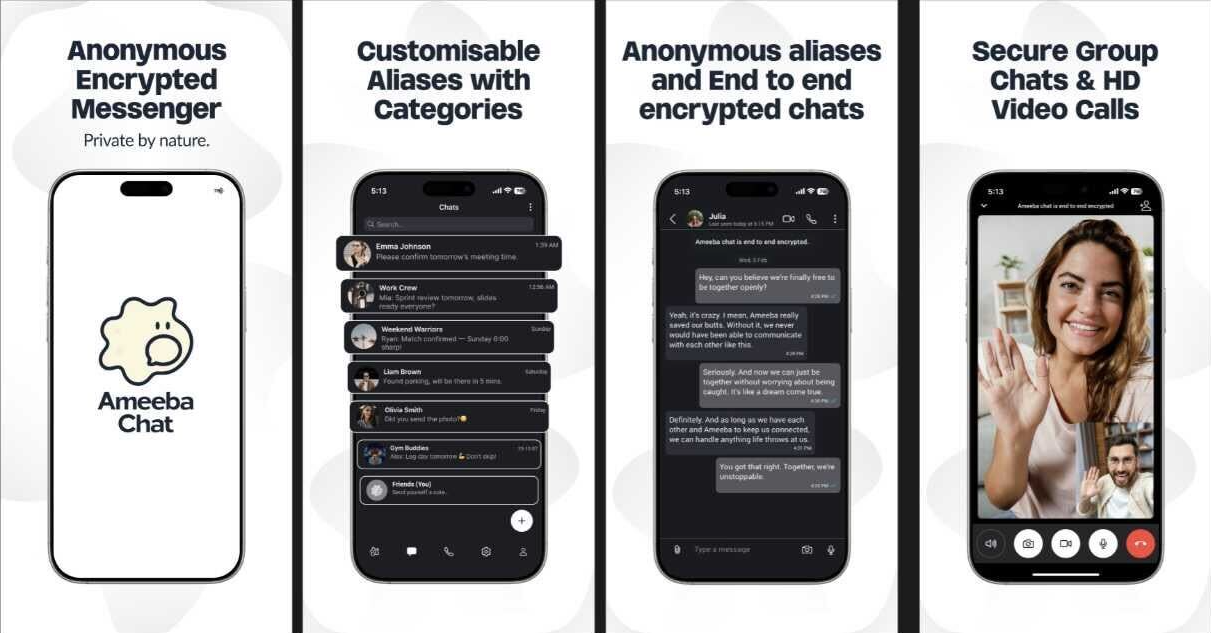
Ameeba Chat gives you a way out.
- • No phone number
- • No email
- • No personal info
- • Anonymous aliases
- • End-to-end encrypted
Chat without a trace.
Product | Affected Versions
IBM Maximo Application Suite | 9.0
How the Exploit Works
The vulnerability exploits a security configuration flaw within the RBAC configurations of the IBM Maximo Application Suite 9.0. By using this flaw, an attacker with some level of access to the system can manipulate permissions and escalate their privileges. This could potentially allow the attacker to gain unlawful access to sensitive data or even take control of the system.
Conceptual Example Code
A conceptual example of how this vulnerability might be exploited could be a malicious request to the server. The attacker manipulates parameters to gain elevated privileges. Here is an example using pseudocode:
POST /maximo/rbac HTTP/1.1
Host: target.example.com
Content-Type: application/json
{ "user_role": "admin", "action": "elevate_privileges" }
In this example, the attacker sends a POST request to the RBAC endpoint of the Maximo application, pretending to be an admin user and requesting to elevate privileges. Please note, this is a conceptual demonstration and not an actual exploit.
Mitigation Guidance
The primary method to mitigate this vulnerability is to apply the vendor-supplied patch specifically designed to address CVE-2025-2898. If the patch cannot be applied immediately, using a Web Application Firewall (WAF) or Intrusion Detection System (IDS) can offer temporary protection by monitoring and possibly blocking malicious traffic patterns that exploit this vulnerability.
