
Overview
This report discusses CVE-2025-28228, a significant cybersecurity vulnerability affecting the Electrolink 500W, 1kW, 2kW Medium DAB Transmitter Web and Display. This vulnerability exposes sensitive credentials in plaintext, paving the way for unauthorized access and potential system compromise. As a serious risk to data security, this vulnerability warrants immediate attention and mitigation.
Vulnerability Summary
CVE ID: CVE-2025-28228
Severity: High (7.5 CVSS Score)
Attack Vector: Network
Privileges Required: None
User Interaction: None
Impact: Unauthorized access to credentials, potential system compromise or data leakage
Affected Products
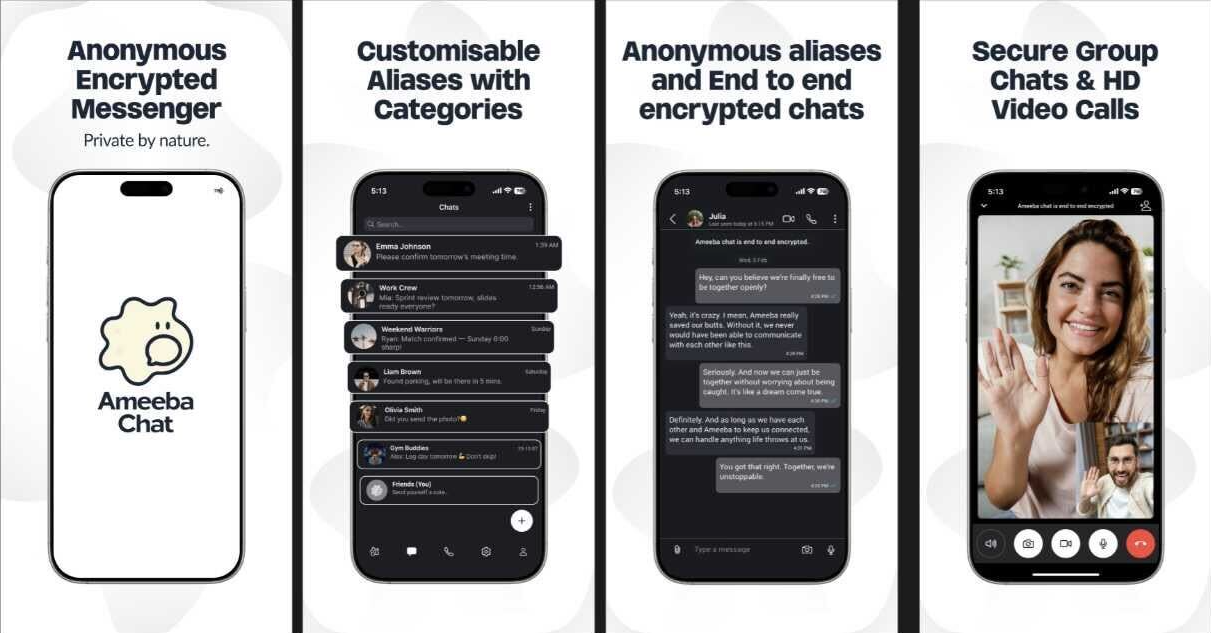
 Escape the Surveillance Era
Most apps won’t tell you the truth.
They’re part of the problem.
Phone numbers. Emails. Profiles. Logs.
It’s all fuel for surveillance.
Ameeba Chat gives you a way out.
- • No phone number
- • No email
- • No personal info
- • Anonymous aliases
- • End-to-end encrypted
Chat without a trace.
Product | Affected Versions
Electrolink 500W Medium DAB Transmitter Web | v01.09, v01.08, v01.07
Electrolink 1kW, 2kW Medium DAB Transmitter Web | v01.09, v01.08, v01.07
Electrolink Medium DAB Transmitter Display | v1.4, v1.2
How the Exploit Works
The vulnerability arises from inadequate security measures that result in credentials being stored and transmitted in plaintext. Consequently, an attacker can intercept network traffic to or from the affected devices and gain access to these credentials. This unauthorized access can lead to a system compromise or data leakage.
Conceptual Example Code
An example of exploiting this vulnerability might involve a simple packet sniffer tool to intercept the plaintext credentials. Conceptually, this might look something like:
# Run packet sniffer on network interface
sudo tcpdump -i eth0 -w output.pcap
# Analyze captured packets for plaintext credentials
grep -a -o -e 'username=[^&]*' -e 'password=[^&]*' output.pcap
This code is purely illustrative and oversimplified. In a real-world scenario, exploiting this vulnerability would likely involve more complex network traffic analysis and potentially additional steps to bypass other protective measures.
Mitigation Guidance
Users of affected products are advised to apply the vendor patch as soon as it’s available. In the interim, using a Web Application Firewall (WAF) or Intrusion Detection System (IDS) can provide temporary mitigation. These measures can help detect and block malicious traffic, although they cannot fully eliminate the vulnerability.
