
Overview
CVE-2025-2813 is a significant cybersecurity vulnerability that can be exploited by an unauthenticated remote attacker to cause a Denial of Service (DoS). The vulnerability affects any system running a http service on port 80, making it a widespread concern. It is of utmost importance due to its potential to compromise systems or cause data leakage, disrupting critical functions and leading to substantial consequences.
Vulnerability Summary
CVE ID: CVE-2025-2813
Severity: High (CVSS: 7.5)
Attack Vector: Network
Privileges Required: None
User Interaction: None
Impact: System compromise and potential data leakage
Affected Products
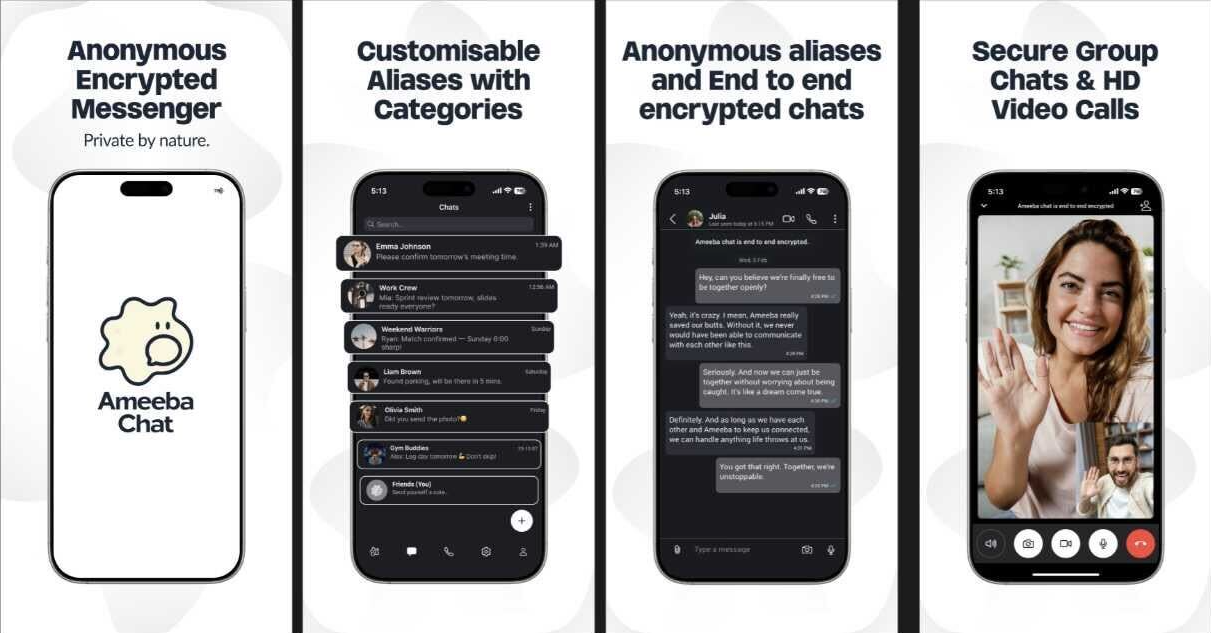
 Escape the Surveillance Era
Most apps won’t tell you the truth.
They’re part of the problem.
Phone numbers. Emails. Profiles. Logs.
It’s all fuel for surveillance.
Ameeba Chat gives you a way out.
- • No phone number
- • No email
- • No personal info
- • Anonymous aliases
- • End-to-end encrypted
Chat without a trace.
Product | Affected Versions
HTTP Service | All versions running on port 80
How the Exploit Works
An attacker exploiting this vulnerability would initiate a large volume of requests to the http service running on port 80. This excessive traffic overloads the system, causing it to become unavailable or unresponsive, leading to a Denial of Service. Moreover, the influx of requests can potentially exploit weak points in the system, leading to system compromise and potential data leakage.
Conceptual Example Code
Here’s a conceptual example of how an attacker might flood the system with requests, using a simple script to generate a large volume of HTTP GET requests:
for i in {1..10000}
do
GET / HTTP/1.1
Host: target.example.com
done
Mitigation
The definitive solution to this vulnerability is to apply the vendor-provided patch. If the patch is not available or cannot be applied immediately, using a Web Application Firewall (WAF) or an Intrusion Detection System (IDS) can provide temporary mitigation. These tools can help by identifying and blocking the malicious traffic, thus preventing the attacker from overloading the system and potentially exploiting this vulnerability.
