
Overview
A newly discovered vulnerability, identified as CVE-2025-27580, affects the Biomedical Research Informatics Computing System (BRICS) up to version 14.0.0-67. This vulnerability is significant due to its potential for allowing unauthenticated users with a Common Access Card (CAC) to escalate privileges and compromise accounts, including administrative accounts. As a result, this vulnerability can lead to potential system compromise or data leakage.
Vulnerability Summary
CVE ID: CVE-2025-27580
Severity: High (7.5 CVSS Score)
Attack Vector: Network
Privileges Required: None
User Interaction: Required
Impact: Unauthorized access and potential compromise of system data
Affected Products
 Escape the Surveillance Era
Most apps won’t tell you the truth.
They’re part of the problem.
Phone numbers. Emails. Profiles. Logs.
It’s all fuel for surveillance.
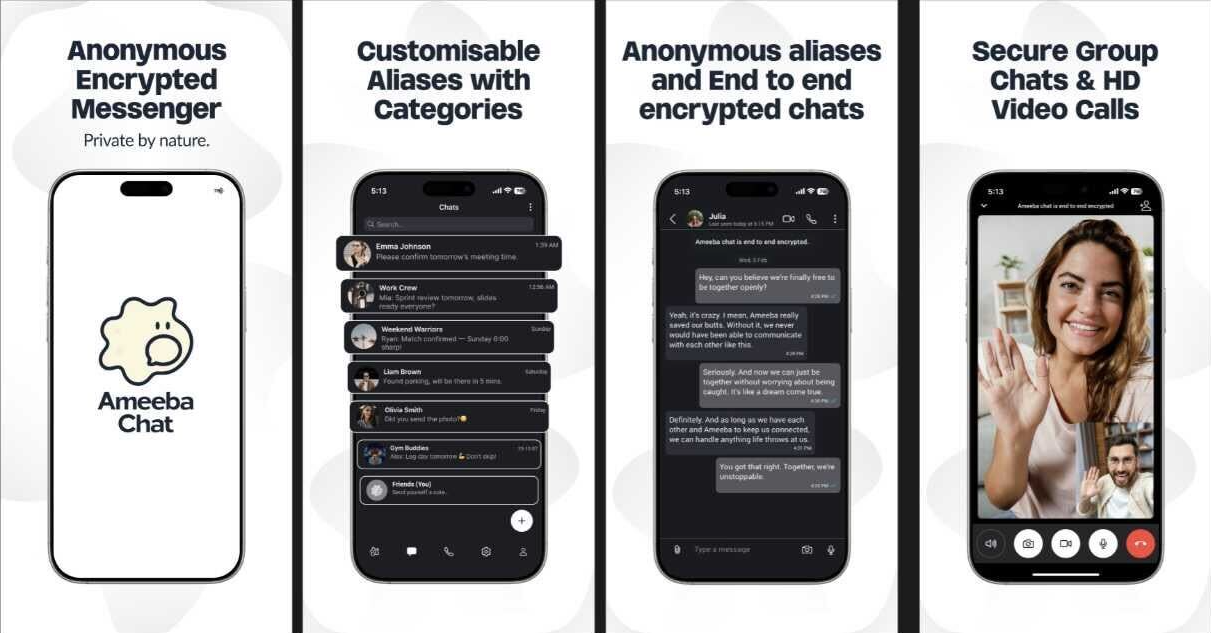
Ameeba Chat gives you a way out.
- • No phone number
- • No email
- • No personal info
- • Anonymous aliases
- • End-to-end encrypted
Chat without a trace.
Product | Affected Versions
NIH BRICS | Up to 14.0.0-67
How the Exploit Works
The vulnerability arises from the BRICS system’s predictable token generation, which depends on username, time, and a fixed string. An attacker with knowledge of this could predict these tokens and use them to escalate privileges without proper authentication. They could then access and potentially compromise any account, including those with administrative privileges.
Conceptual Example Code
Below is a conceptual example of how the vulnerability might be exploited. This pseudocode illustrates the potential sequence of actions an attacker might perform:
# Pseudocode for exploiting CVE-2025-27580
import time
def generate_token(username, timestamp, fixed_string):
return hash(username + timestamp + fixed_string)
username = "admin"
current_time = str(time.time())
fixed_string = "7Dl9#dj-"
malicious_token = generate_token(username, current_time, fixed_string)
# Use the malicious token to authenticate as the admin
send_authentication_request(username, malicious_token)
Mitigation
The recommended mitigation is to apply the vendor’s patch once available. In the meantime, using a Web Application Firewall (WAF) or Intrusion Detection System (IDS) can offer temporary mitigation by detecting and preventing potential exploits of this vulnerability.
