
Overview
The vulnerability CVE-2025-27211 is a critical flaw identified in EdgeMAX EdgeSwitch (versions 1.10.4 and earlier). This vulnerability arises from an improper input validation that could potentially allow a malicious actor to perform a command injection if they have access to an adjacent EdgeSwitch network. The exposure of this vulnerability could lead to severe consequences including system compromise and data leakage, thus making it a significant threat to organizations using the affected versions of EdgeSwitch.
Vulnerability Summary
CVE ID: CVE-2025-27211
Severity: High (7.5 CVSS score)
Attack Vector: Network
Privileges Required: Low
User Interaction: None
Impact: System compromise and potential data leakage
Affected Products
 Escape the Surveillance Era
Most apps won’t tell you the truth.
They’re part of the problem.
Phone numbers. Emails. Profiles. Logs.
It’s all fuel for surveillance.
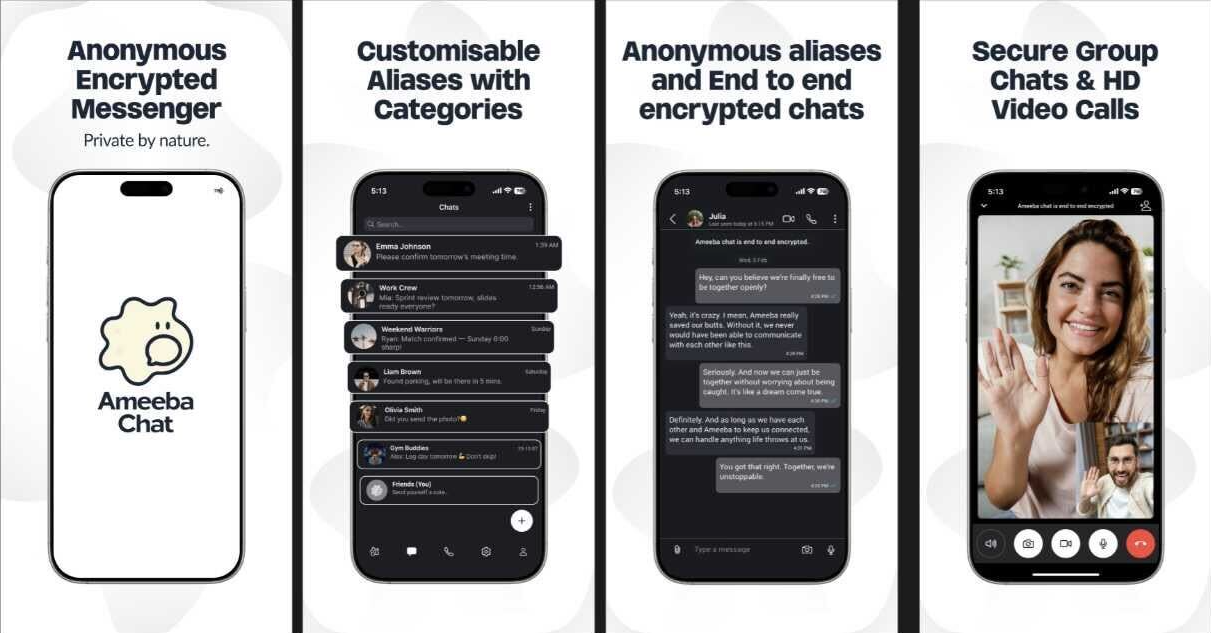
Ameeba Chat gives you a way out.
- • No phone number
- • No email
- • No personal info
- • Anonymous aliases
- • End-to-end encrypted
Chat without a trace.
Product | Affected Versions
EdgeMAX EdgeSwitch | 1.10.4 and earlier
How the Exploit Works
The exploit takes advantage of the improper input validation in the EdgeMAX EdgeSwitch system. By sending a malicious payload, an attacker can manipulate the system’s command interpreter to execute arbitrary commands. This could occur without the knowledge or interaction of the user, leading to potential system compromise or data leakage if the malicious actor has access to the EdgeSwitch adjacent network.
Conceptual Example Code
Given the nature of the vulnerability, a conceptual example of an exploit might involve a malicious HTTP request that carries the payload. This could look something like:
POST /edgeswitch/endpoint HTTP/1.1
Host: target.example.com
Content-Type: application/json
{ "command": "; rm -rf /" }
In this conceptual example, the payload `”; rm -rf /”` is injected after the legitimate command, causing the system to execute the malicious command, deleting all files on the system. This is merely illustrative and the actual exploit could take many forms depending on the attacker’s intentions.
