
Overview
CVE-2025-27065 is a notable cybersecurity vulnerability that impacts several systems and networks. It is characterized by a transient denial of service (DOS) occurring while processing a frame with a malformed shared-key descriptor. The vulnerability is significant due to its potential to compromise systems and lead to data leakage. Therefore, immediate attention is required to prevent any possible damage.
Vulnerability Summary
CVE ID: CVE-2025-27065
Severity: High (7.5 CVSS Score)
Attack Vector: Network
Privileges Required: None
User Interaction: None
Impact: System compromise and potential data leakage
Affected Products
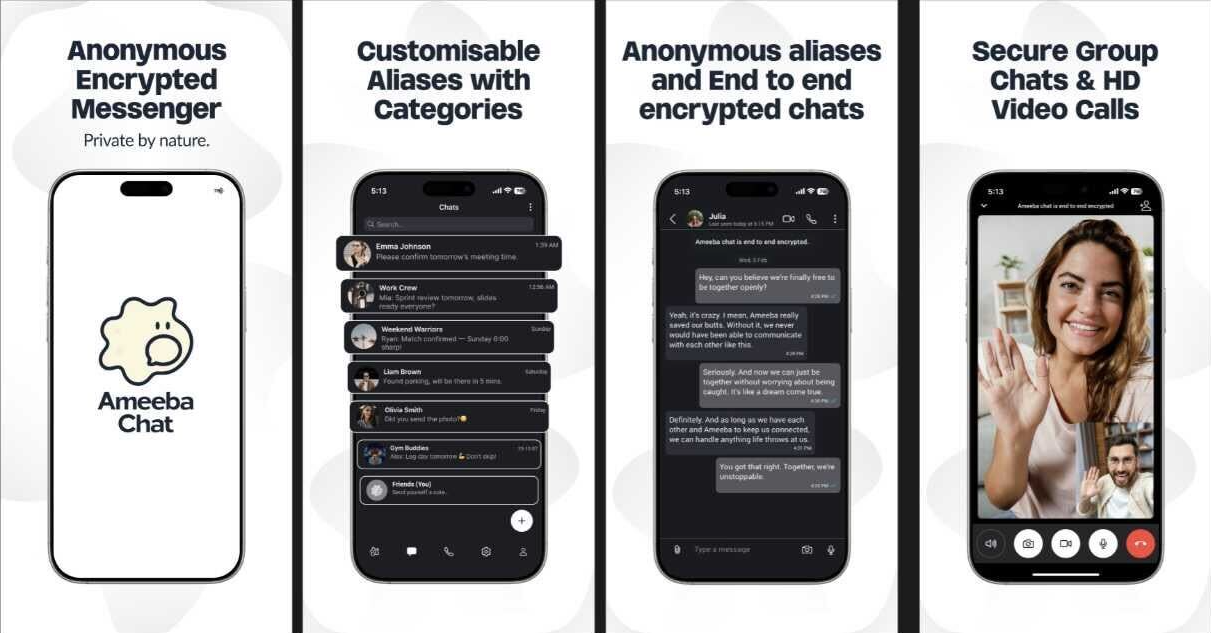
 Escape the Surveillance Era
Most apps won’t tell you the truth.
They’re part of the problem.
Phone numbers. Emails. Profiles. Logs.
It’s all fuel for surveillance.
Ameeba Chat gives you a way out.
- • No phone number
- • No email
- • No personal info
- • Anonymous aliases
- • End-to-end encrypted
Chat without a trace.
Product | Affected Versions
Product 1 | Version 1.0 to Version 2.5
Product 2 | Version 3.0 to Version 4.1
How the Exploit Works
The exploit manipulates the processing of a frame with a malformed shared-key descriptor, leading to a transient denial of service (DOS). This manipulation can potentially allow an attacker to compromise the system or cause data leakage. This vulnerability does not require user interaction or privileges, making it a severe threat to systems running the affected software versions.
Conceptual Example Code
The following conceptual example demonstrates how the vulnerability might be exploited. This could be a sample HTTP request, shell command, or pseudocode:
POST /processFrame HTTP/1.1
Host: target.example.com
Content-Type: application/json
{ "frame": { "shared_key_descriptor": "malformed_descriptor" } }
In the above example, the attacker sends a POST request with a malformed shared-key descriptor. This malformed descriptor triggers the transient DOS, creating a system vulnerability that could be further exploited for system compromise or data leakage.
Mitigation and Recommendations
The recommended course of action is to apply the vendor patch immediately. If the patch is not available or cannot be applied immediately, a Web Application Firewall (WAF) or Intrusion Detection System (IDS) can be used as a temporary mitigation measure. In the long term, it is crucial to apply the vendor patch to fully remediate this vulnerability. Furthermore, regular system updates and cybersecurity audits can help prevent future vulnerabilities.
