
Overview
A significant vulnerability, CVE-2025-26968, has been discovered in the Cloak Front End Email, a product of webbernaut. This vulnerability primarily affects all versions up to and including 1.9.5 of the software. It is a Missing Authorization vulnerability that can potentially expose the system to unauthorized access and data leakage. Its severity and potential for exploitation necessitate immediate attention.
Vulnerability Summary
CVE ID: CVE-2025-26968
Severity: High (7.5 CVSS score)
Attack Vector: Network
Privileges Required: None
User Interaction: None
Impact: Potential system compromise and data leakage
Affected Products
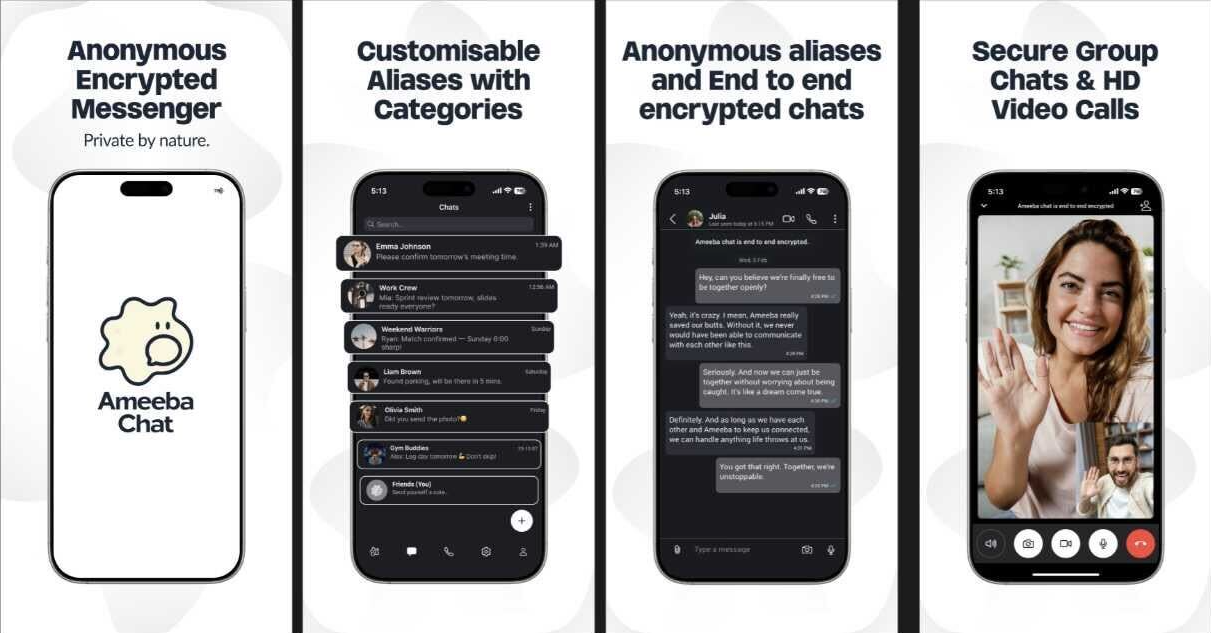
 Escape the Surveillance Era
Most apps won’t tell you the truth.
They’re part of the problem.
Phone numbers. Emails. Profiles. Logs.
It’s all fuel for surveillance.
Ameeba Chat gives you a way out.
- • No phone number
- • No email
- • No personal info
- • Anonymous aliases
- • End-to-end encrypted
Chat without a trace.
Product | Affected Versions
Cloak Front End Email | 1.9.5 and below
How the Exploit Works
The exploit takes advantage of the Missing Authorization vulnerability in Cloak Front End Email. An attacker could exploit this vulnerability by sending specially crafted requests to the affected software. Due to a flaw in Access Control Security Levels, these requests would be incorrectly authenticated, allowing the attacker to gain unauthorized access to the system or lead to potential data leakage.
Conceptual Example Code
A conceptual example of how this vulnerability could be exploited is demonstrated below:
POST /unauthorized_access HTTP/1.1
Host: target.example.com
Content-Type: application/json
{ "exploit_code": "access_grant=true" }
In this example, a malicious user sends a POST request with a payload that manipulates the incorrect Access Control Security Levels and gains unauthorized access.
Mitigation
Users are advised to apply the latest patch provided by the vendor to address this vulnerability. Where this is not immediately possible, deploying a Web Application Firewall (WAF) or Intrusion Detection System (IDS) can serve as a temporary mitigation measure. Regular review and update of system authorization configurations are also recommended to prevent such vulnerabilities.
