
Overview
The CVE-2025-26908 vulnerability is a critical security flaw that affects Gurmehub Kargo Entegratör, exposing it to SQL Injection attacks. This vulnerability is particularly concerning as a successful exploit could lead to system compromise or data leakage, posing serious threats to data confidentiality, integrity, and availability.
Vulnerability Summary
CVE ID: CVE-2025-26908
Severity: High (7.6 CVSS Score)
Attack Vector: Network
Privileges Required: Low
User Interaction: Required
Impact: System compromise or data leakage
Affected Products
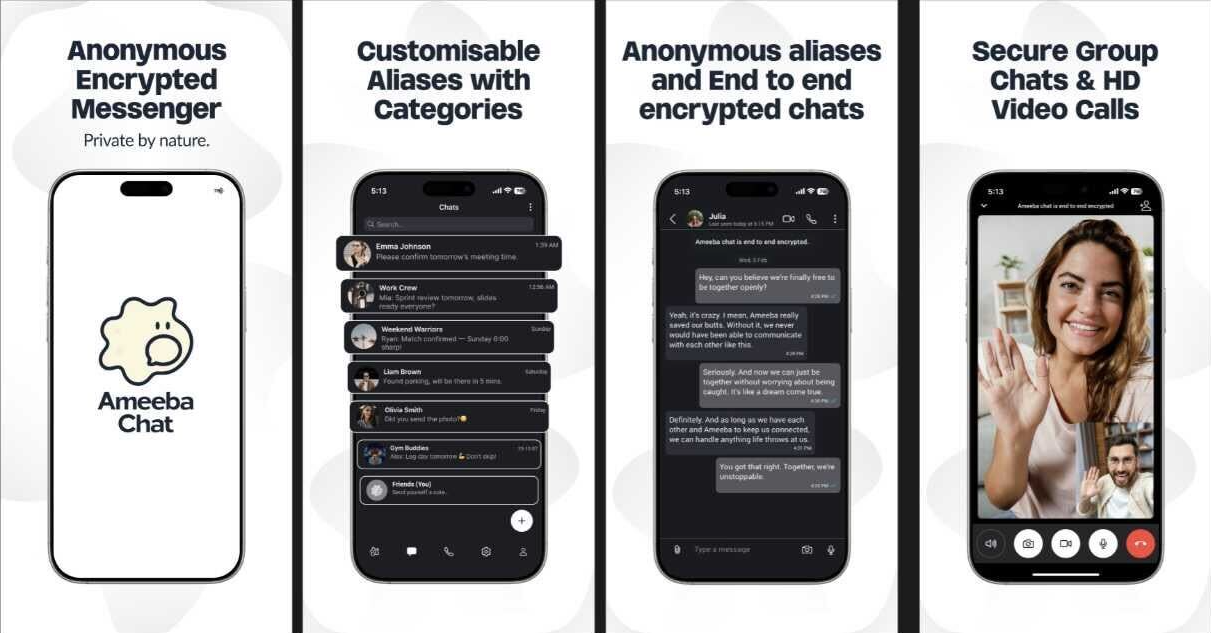
 Escape the Surveillance Era
Most apps won’t tell you the truth.
They’re part of the problem.
Phone numbers. Emails. Profiles. Logs.
It’s all fuel for surveillance.
Ameeba Chat gives you a way out.
- • No phone number
- • No email
- • No personal info
- • Anonymous aliases
- • End-to-end encrypted
Chat without a trace.
Product | Affected Versions
Gurmehub Kargo Entegratör | n/a through 1.1.14
How the Exploit Works
The vulnerability stems from the improper neutralization of special elements used in an SQL command within Gurmehub Kargo Entegratör. This allows an attacker to manipulate SQL queries in the application, potentially gaining unauthorized access to sensitive data or executing arbitrary commands on the underlying system.
Conceptual Example Code
Below is a conceptual example of how the vulnerability might be exploited:
POST /vulnerable/endpoint HTTP/1.1
Host: target.example.com
Content-Type: application/json
{ "user_search": "'; DROP TABLE users; --" }
In this example, an attacker sends a malicious payload in a user search input that includes an SQL command to drop or delete the ‘users’ table. This is a classic SQL Injection technique known as the ‘DROP TABLE’ exploit.
Recommended Mitigation
The immediate mitigation is to apply vendor patches as soon as they become available. If a patch is not yet available or cannot be applied immediately, using a Web Application Firewall (WAF) or Intrusion Detection System (IDS) can provide temporary mitigation. These tools can detect and block SQL Injection attempts, reducing the risk of successful exploitation. Regular input validation and sanitization, as well as the use of parameterized queries or prepared statements, are also recommended as part of secure coding practices.
