
Overview
This report presents a detailed analysis of the CVE-2025-26086 vulnerability. This is a high-risk blind SQL injection vulnerability that affects the RSI Queue Management System v3.0. If exploited, it can allow attackers to remotely inject time-delayed SQL payloads without authentication, potentially leading to system compromise or data leakage.
Vulnerability Summary
CVE ID: CVE-2025-26086
Severity: High (CVSS Score 7.5)
Attack Vector: Network
Privileges Required: None
User Interaction: None
Impact: Potential system compromise or data leakage through extraction of sensitive database contents.
Affected Products
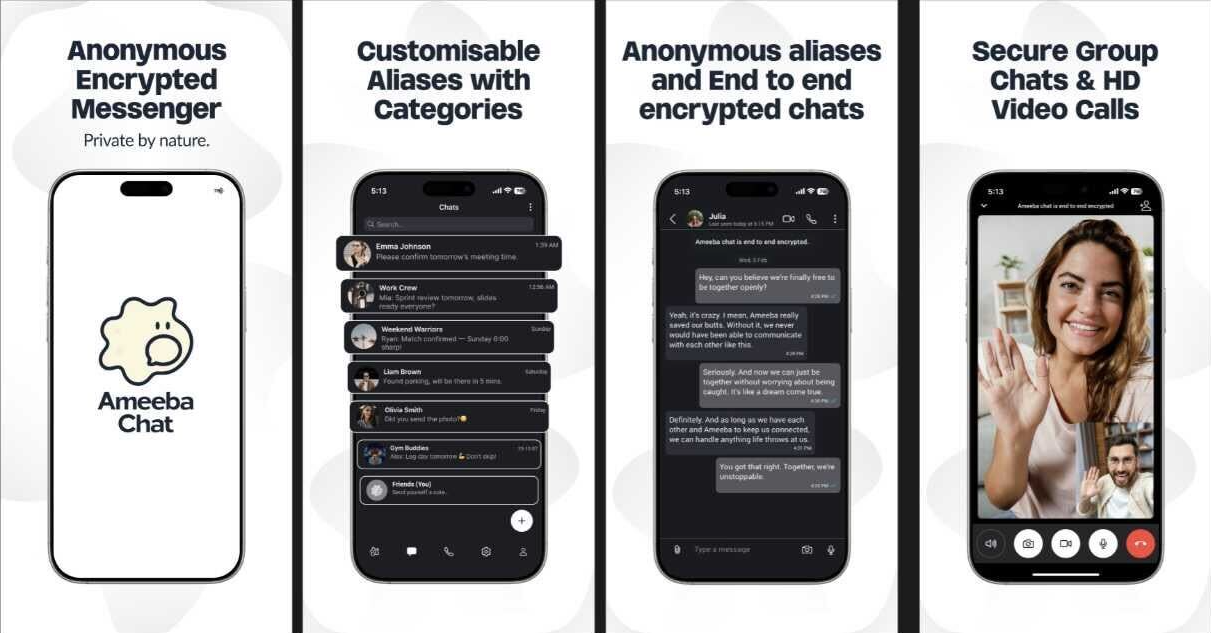
 Escape the Surveillance Era
Most apps won’t tell you the truth.
They’re part of the problem.
Phone numbers. Emails. Profiles. Logs.
It’s all fuel for surveillance.
Ameeba Chat gives you a way out.
- • No phone number
- • No email
- • No personal info
- • Anonymous aliases
- • End-to-end encrypted
Chat without a trace.
Product | Affected Versions
RSI Queue Management System | v3.0
How the Exploit Works
This vulnerability stems from the lack of proper sanitization of the TaskID parameter in the GET request handler of the RSI Queue Management System v3.0. An attacker can exploit this by injecting a malicious SQL payload into the TaskID parameter. The payload is time-delayed, causing the server to delay its response. This time delay allows the attacker to infer information from the database iteratively, which can lead to unauthorized access to sensitive data.
Conceptual Example Code
Below is a conceptual example of how this vulnerability might be exploited:
GET /queue?TaskID=1;WAITFOR%20DELAY%20'0:0:10'%20-- HTTP/1.1
Host: target.example.com
In this example, the attacker injects a SQL payload (`WAITFOR DELAY ‘0:0:10’`) into the TaskID parameter, causing the server to wait for 10 seconds before responding. By monitoring the server’s response time, the attacker can infer whether the injected SQL statement was executed, allowing them to extract sensitive information from the database iteratively.
Mitigation
Users of the RSI Queue Management System v3.0 are advised to apply the vendor’s patch to fix this vulnerability. In situations where immediate patching is not feasible, temporary mitigation can be achieved by implementing a Web Application Firewall (WAF) or Intrusion Detection System (IDS) to detect and block malicious SQL injection attempts. Regular monitoring and updating of these security systems is also recommended to ensure continued protection.
