
Overview
CVE-2025-25455 represents a severe vulnerability in Tenda AC10 V4.0si_V16.03.10.20, a popular router hardware. This vulnerability is a Buffer Overflow in the AdvSetMacMtuWan via wanMTU2, potentially leading to system compromise or data leakage. Given the widespread use of this device in both commercial and personal applications, this vulnerability poses a significant risk that demands immediate attention.
Vulnerability Summary
CVE ID: CVE-2025-25455
Severity: High (CVSS score 7.5)
Attack Vector: Network
Privileges Required: Low
User Interaction: None
Impact: Potential system compromise or data leakage
Affected Products
 Escape the Surveillance Era
Most apps won’t tell you the truth.
They’re part of the problem.
Phone numbers. Emails. Profiles. Logs.
It’s all fuel for surveillance.
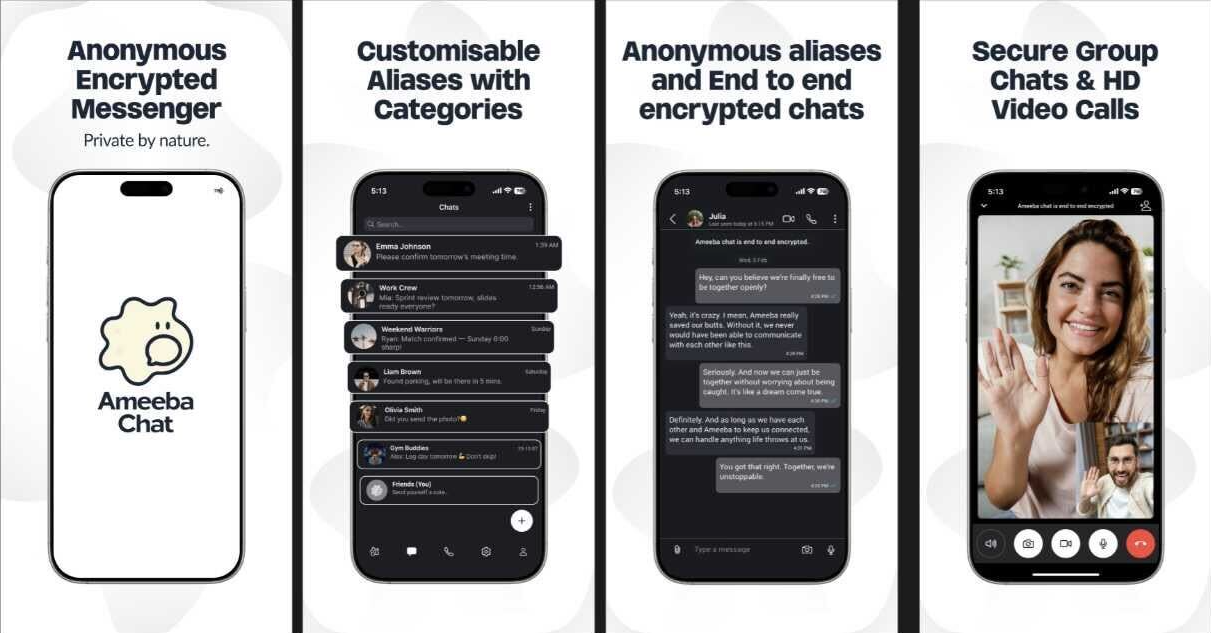
Ameeba Chat gives you a way out.
- • No phone number
- • No email
- • No personal info
- • Anonymous aliases
- • End-to-end encrypted
Chat without a trace.
Product | Affected Versions
Tenda AC10 | V4.0si_V16.03.10.20
How the Exploit Works
The exploit leverages a buffer overflow vulnerability in the AdvSetMacMtuWan module of the Tenda AC10 V4.0si_V16.03.10.20. By sending a crafted input that exceeds the buffer’s capacity via wanMTU2, an attacker can overflow the buffer, leading to the execution of arbitrary code or causing the system to crash. This exploit can be executed remotely, making it a significant threat to all affected devices.
Conceptual Example Code
Consider the following conceptual exploitation of this vulnerability, where an attacker sends an excessively large payload to the vulnerable endpoint:
POST /AdvSetMacMtuWan/wanMTU2 HTTP/1.1
Host: target.example.com
Content-Type: application/json
{ "mtu_size": "OVERFLOW_PAYLOAD" }
This is not a literal payload but an illustrative example of how the buffer overflow vulnerability could be exploited. The exact malicious payload would likely be an oversized input designed to overflow the buffer and manipulate the system’s memory.
Mitigation Guidance
Affected users should apply the patch provided by the vendor as soon as possible. If a patch is not immediately available or applicable, a Web Application Firewall (WAF) or Intrusion Detection System (IDS) can be used as a temporary mitigation measure. These tools can help detect and block attempts to exploit this vulnerability.
