
Overview
This report details a significant cybersecurity vulnerability, CVE-2025-24517, identified in all versions of CHOCO TEI WATCHER mini (IB-MCT001). This flaw is critical as it enables a remote attacker to bypass client-side authentication and obtain the product login password. The issue’s seriousness is underlined by its CVSS Severity Score of 7.5, representing a high-risk level.
Vulnerability Summary
CVE ID: CVE-2025-24517
Severity: High (7.5 CVSS score)
Attack Vector: Network
Privileges Required: None
User Interaction: None
Impact: System compromise and potential data leakage
Affected Products
 Escape the Surveillance Era
Most apps won’t tell you the truth.
They’re part of the problem.
Phone numbers. Emails. Profiles. Logs.
It’s all fuel for surveillance.
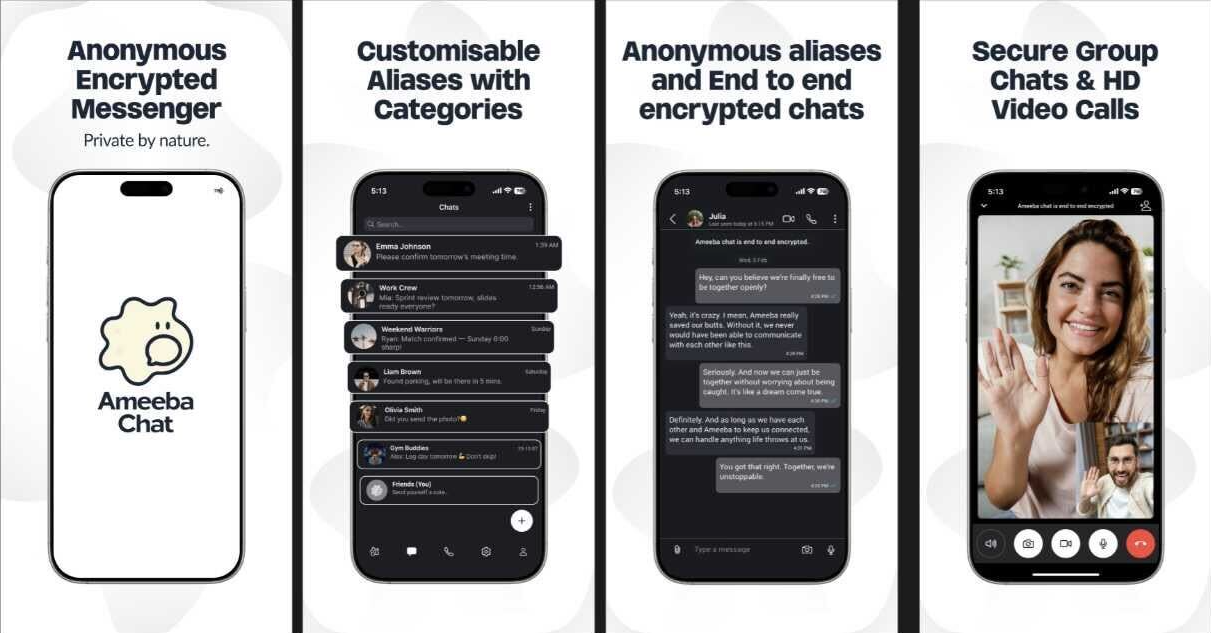
Ameeba Chat gives you a way out.
- • No phone number
- • No email
- • No personal info
- • Anonymous aliases
- • End-to-end encrypted
Chat without a trace.
Product | Affected Versions
CHOCO TEI WATCHER mini (IB-MCT001) | All versions
How the Exploit Works
The exploit works by taking advantage of the client-side authentication mechanism in CHOCO TEI WATCHER mini. The attacker sends a specially crafted request to the server, which mistakenly interprets the request as authenticated. As a result, the server exposes sensitive information, such as the login password, which the attacker can then use to gain unauthorized access to the system.
Conceptual Example Code
Below is a conceptual example of how the vulnerability might be exploited:
GET /password-retrieval HTTP/1.1
Host: target.example.com
User-Agent: Mozilla/5.0 (Windows NT 10.0; Win64; x64; rv:89.0) Gecko/20100101 Firefox/89.0
Accept: application/json
This example represents a simple HTTP request. An attacker, knowing the vulnerability, would simply send this request to the server. The server, due to the vulnerability, would respond with the login credentials.
Mitigation
Users are urged to apply the vendor’s patch as soon as it is available. As a temporary mitigation, deploying a Web Application Firewall (WAF) or Intrusion Detection System (IDS) can help to block or alert on any suspicious activity. Regular monitoring and auditing of network traffic can also aid in detecting any attempts to exploit this vulnerability.
