
Overview
The vulnerability CVE-2025-23321 pertains to both Windows and Linux versions of the NVIDIA Triton Inference Server. This vulnerability, if exploited successfully, can lead to a denial of service caused by a divide by zero issue. This is of significant concern as it could potentially result in system compromise or data leakage, affecting any businesses or individuals using the affected systems.
Vulnerability Summary
CVE ID: CVE-2025-23321
Severity: High (7.5 CVSS score)
Attack Vector: Network
Privileges Required: None
User Interaction: None
Impact: Can lead to denial of service, potential system compromise, and possible data leakage.
Affected Products
 Escape the Surveillance Era
Most apps won’t tell you the truth.
They’re part of the problem.
Phone numbers. Emails. Profiles. Logs.
It’s all fuel for surveillance.
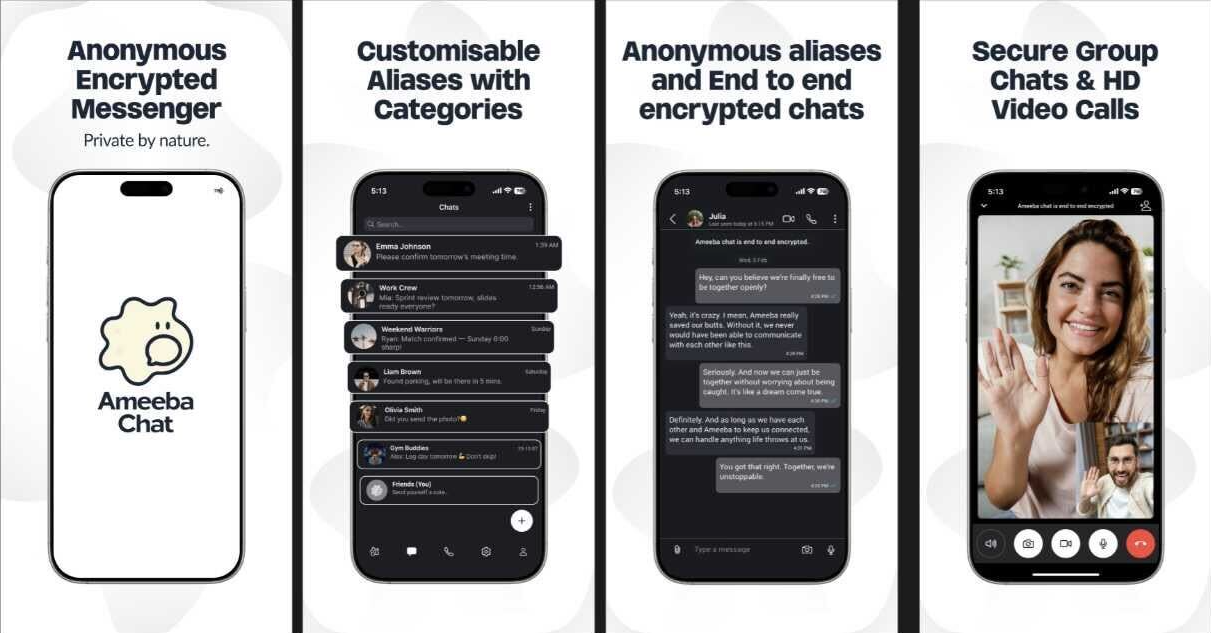
Ameeba Chat gives you a way out.
- • No phone number
- • No email
- • No personal info
- • Anonymous aliases
- • End-to-end encrypted
Chat without a trace.
Product | Affected Versions
NVIDIA Triton Inference Server | All prior versions
How the Exploit Works
The vulnerability can be exploited by an attacker sending an invalid request to the NVIDIA Triton Inference Server. This invalid request causes a divide by zero error. As this is an unexpected condition for the server, it can lead to a denial of service, leaving the server unavailable for legitimate users. In the worst-case scenario, this could potentially be used to compromise the system or leak data.
Conceptual Example Code
A potential exploit could look like the following HTTP request:
POST /vulnerable/endpoint HTTP/1.1
Host: target.example.com
Content-Type: application/json
{ "invalid_request": "divide_by_zero" }
In this example, the attacker sends a POST request with an invalid request payload that causes a divide by zero error in the server.
Mitigation Guidance
Users are strongly recommended to apply the vendor patch as soon as possible. While waiting for the patch to be applied, a Web Application Firewall (WAF) or Intrusion Detection System (IDS) can be used as temporary mitigation. These can help by blocking or alerting on any malicious requests that try to exploit this vulnerability.
