
Overview
The NVIDIA NeMo Framework has been identified as having a serious vulnerability that could allow an attacker to execute remote code. This vulnerability is particularly dangerous as it allows the deserialization of untrusted data, potentially leading to system compromise and data leakage. All users and systems utilizing NVIDIA NeMo Framework are at risk and should take immediate action to resolve this issue.
Vulnerability Summary
CVE ID: CVE-2025-23249
Severity: High (7.6/10)
Attack Vector: Network
Privileges Required: None
User Interaction: None
Impact: System compromise and data leakage
Affected Products
 Escape the Surveillance Era
Most apps won’t tell you the truth.
They’re part of the problem.
Phone numbers. Emails. Profiles. Logs.
It’s all fuel for surveillance.
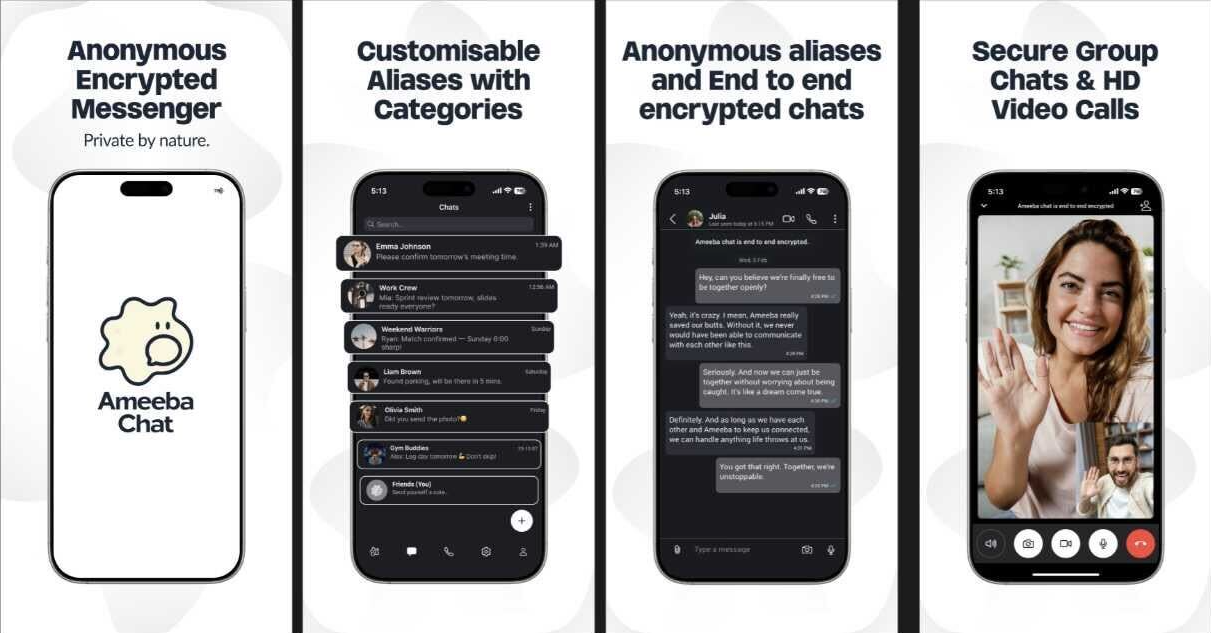
Ameeba Chat gives you a way out.
- • No phone number
- • No email
- • No personal info
- • Anonymous aliases
- • End-to-end encrypted
Chat without a trace.
Product | Affected Versions
NVIDIA NeMo Framework | All versions prior to patch
How the Exploit Works
The exploit takes advantage of a vulnerability in the NVIDIA NeMo Framework’s deserialization process. An attacker can craft malicious code and send it to the target system. The system then deserializes the untrusted data, leading to the execution of the malicious code. This can lead to unauthorized code execution and potential data tampering or leakage.
Conceptual Example Code
Here’s a conceptual example of how the vulnerability might be exploited.
POST /nemo/framework/endpoint HTTP/1.1
Host: target.example.com
Content-Type: application/json
{ "untrusted_data": "{ \"type\": \"Class\", \"value\": \"malicious_code\" }" }
In this example, the attacker sends a POST request with a JSON payload containing malicious code disguised as a class object. The system then deserializes the untrusted data, unknowingly executing the malicious code.
Mitigation Measures
NVIDIA has released a patch to address this vulnerability. All users and systems using the NVIDIA NeMo Framework should apply this patch immediately. As a temporary mitigation measure, a Web Application Firewall (WAF) or Intrusion Detection System (IDS) can be used to identify and block attempts to exploit this vulnerability. However, these measures are not a substitute for applying the vendor’s patch.
