
Overview
The vulnerability, known as CVE-2025-22839, affects some Intel(R) Xeon(R) Scalable processors and has potential for serious impact. The flaw lies in the Out Of Band Management Subsystem (OOB-MSM) where an insufficient granularity of access control could potentially allow a privileged user to escalate their privileges via adjacent access. This vulnerability matters as it could lead to data leakage or full system compromise if successfully exploited.
Vulnerability Summary
CVE ID: CVE-2025-22839
Severity: High – CVSS 7.5
Attack Vector: Local
Privileges Required: High
User Interaction: None
Impact: Escalation of privileges, potential system compromise, and data leakage
Affected Products
 Escape the Surveillance Era
Most apps won’t tell you the truth.
They’re part of the problem.
Phone numbers. Emails. Profiles. Logs.
It’s all fuel for surveillance.
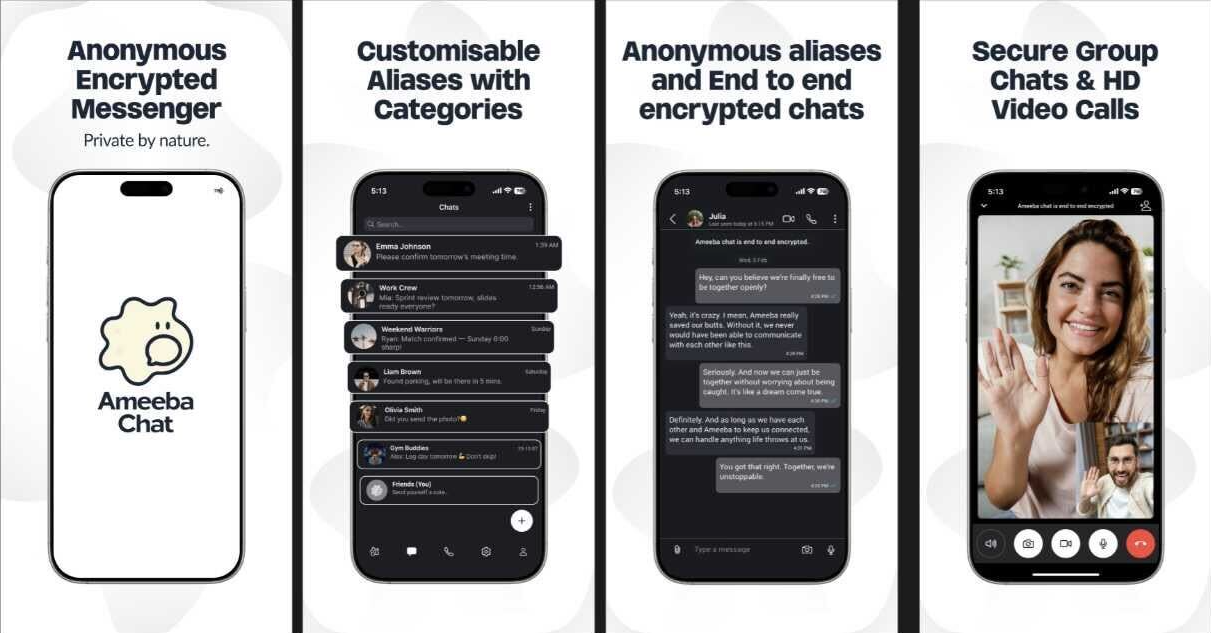
Ameeba Chat gives you a way out.
- • No phone number
- • No email
- • No personal info
- • Anonymous aliases
- • End-to-end encrypted
Chat without a trace.
Product | Affected Versions
Intel(R) Xeon(R) Scalable Processor | All versions prior to 2025
How the Exploit Works
The exploit works by a privileged user leveraging the insufficiencies in the granularity of access control in the OOB-MSM. This user could then exploit these weaknesses to escalate their privileges via adjacent access. Once the user has escalated their privileges, they could potentially compromise the system or leak sensitive data.
Conceptual Example Code
While the exact code that could exploit this vulnerability is unique to each specific system, the below pseudocode provides a high-level concept of how the exploit might work:
function exploitVulnerability() {
// Gain privileged user access
let user = getPrivilegedUserAccess();
// Exploit insufficiency in access control
let escalatedPrivileges = exploitAccessControl(user);
// If successful, compromise system or leak data
if (escalatedPrivileges) {
compromiseSystemOrLeakData();
}
}
In this example, the exploit begins by gaining access as a privileged user. It then exploits the insufficiency in the granularity of access control to escalate privileges. If successful, the exploit culminates in the compromise of the system or leakage of data.
