
Overview
A significant security vulnerability has been discovered in the VMware NSX Manager UI, identified as CVE-2025-22243. This vulnerability exposes systems to a stored Cross-Site Scripting (XSS) attack due to inadequate input validation. As a result, it leaves systems vulnerable to potential compromise or data leakage, posing a significant risk to data integrity and system security.
Vulnerability Summary
CVE ID: CVE-2025-22243
Severity: High (CVSS: 7.5)
Attack Vector: Network
Privileges Required: Low
User Interaction: Required
Impact: Potential system compromise or data leakage
Affected Products
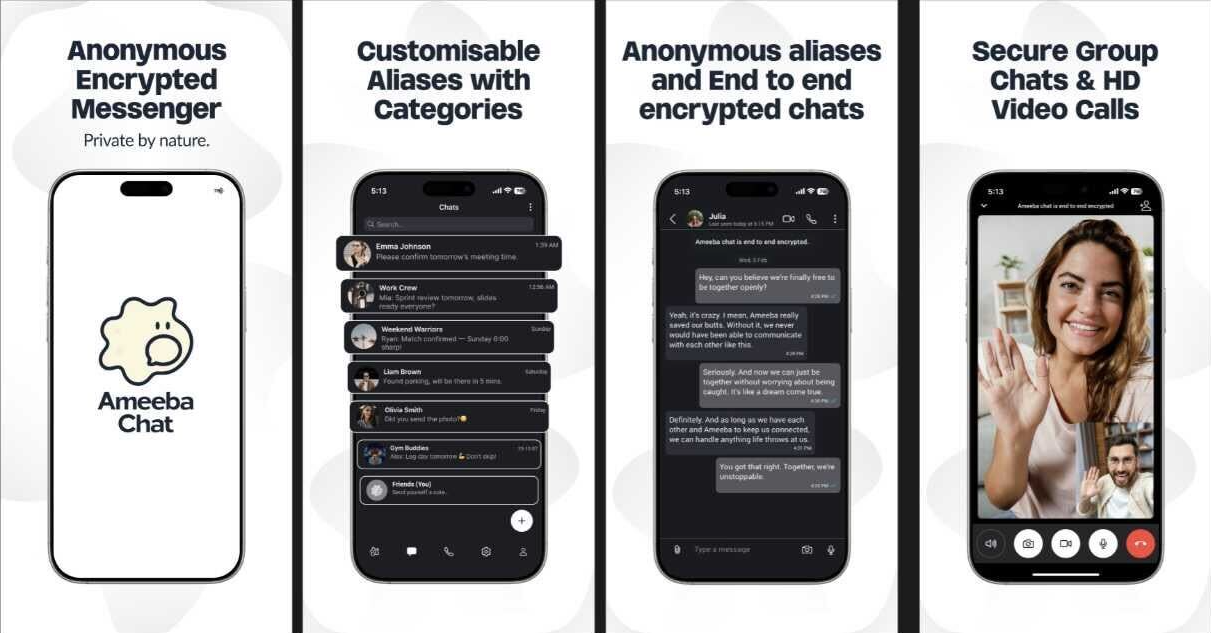
 Escape the Surveillance Era
Most apps won’t tell you the truth.
They’re part of the problem.
Phone numbers. Emails. Profiles. Logs.
It’s all fuel for surveillance.
Ameeba Chat gives you a way out.
- • No phone number
- • No email
- • No personal info
- • Anonymous aliases
- • End-to-end encrypted
Chat without a trace.
Product | Affected Versions
VMware NSX Manager UI | [All versions prior to the patch]
How the Exploit Works
The vulnerability occurs due to VMware NSX Manager UI’s failure to adequately validate and sanitize user-generated input. An attacker can inject malicious scripts into the system, which are then stored and executed when a user accesses the compromised web page. This approach allows the attacker to execute arbitrary scripts in the context of the user’s browser, potentially leading to unauthorized access, data theft, or other malicious activities.
Conceptual Example Code
Here is a basic example demonstrating how a malicious script might be injected into a vulnerable system:
POST /vulnerable/endpoint HTTP/1.1
Host: target.example.com
Content-Type: application/json
{
"user_input": "<script>malicious_code_here</script>"
}
In this example, the “user_input” field is used to carry the malicious script. When the JSON payload is processed by the vulnerable system, the script is unintentionally executed. This can lead to various harmful outcomes, depending on the intentions of the attacker.
