
Overview
This technical report discusses the details of a critical vulnerability, CVE-2025-21477, which allows for a transient Denial of Service (DOS) attack while processing CCCH (Common Control Channel) data. The vulnerability primarily affects systems that rely on network communication over CCCH. The significance of this vulnerability stems from its potential to compromise the system or lead to data leakage, thus posing a significant security threat.
Vulnerability Summary
CVE ID: CVE-2025-21477
Severity: High (CVSS: 7.5)
Attack Vector: Network
Privileges Required: None
User Interaction: None
Impact: Potential system compromise or data leakage
Affected Products
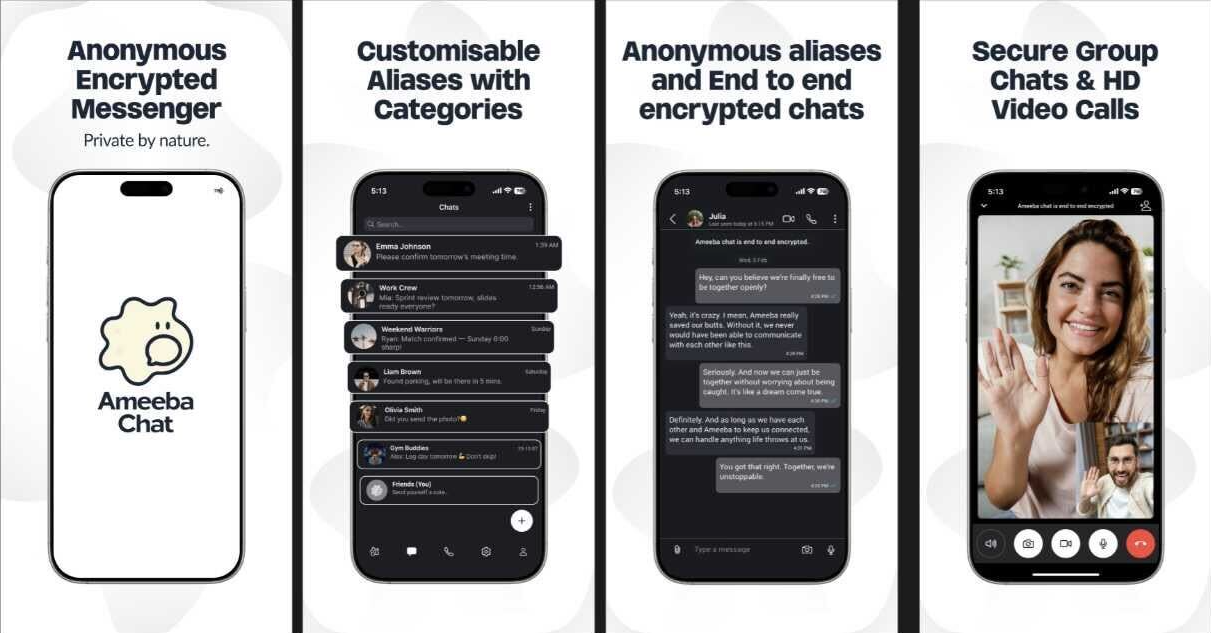
 Escape the Surveillance Era
Most apps won’t tell you the truth.
They’re part of the problem.
Phone numbers. Emails. Profiles. Logs.
It’s all fuel for surveillance.
Ameeba Chat gives you a way out.
- • No phone number
- • No email
- • No personal info
- • Anonymous aliases
- • End-to-end encrypted
Chat without a trace.
Product | Affected Versions
Network Communications Software | All prior to patch
Security Systems | All prior to patch
How the Exploit Works
The vulnerability, CVE-2025-21477, exploits the processing of CCCH data. When the network sends data with an invalid length, the system enters a state of transient Denial of Service. In this state, unauthorized access or data leakage may occur.
Conceptual Example Code
The following is a conceptual representation of how the vulnerability might be exploited. The malicious actor sends data with an invalid length, causing the system to enter a transient DOS state.
# Simulate network data transmission with invalid length
$ echo -n "invalid_length_data" | nc -u target.example.com 1234
Mitigation Guidance
The primary recommendation for mitigation is to apply the vendor patch as soon as it becomes available. If the patch is not yet available, the use of a Web Application Firewall (WAF) or Intrusion Detection System (IDS) can serve as temporary mitigation. However, these should not be considered long-term solutions, as they do not directly address the vulnerability.
