
Overview
The CVE-2025-21463 vulnerability pertains to a denial-of-service (DoS) issue that arises while processing the EHT operation IE within received beacon frames. This vulnerability is of particular concern to network administrators and security professionals as it could lead to system compromise and data leakage. The severity of this vulnerability is heightened by the fact that it can cause transient interruptions in service, disrupting operations and possibly leading to unauthorized access.
Vulnerability Summary
CVE ID: CVE-2025-21463
Severity: High (CVSS score 7.5)
Attack Vector: Network
Privileges Required: None
User Interaction: None
Impact: Potential system compromise or data leakage
Affected Products
 Escape the Surveillance Era
Most apps won’t tell you the truth.
They’re part of the problem.
Phone numbers. Emails. Profiles. Logs.
It’s all fuel for surveillance.
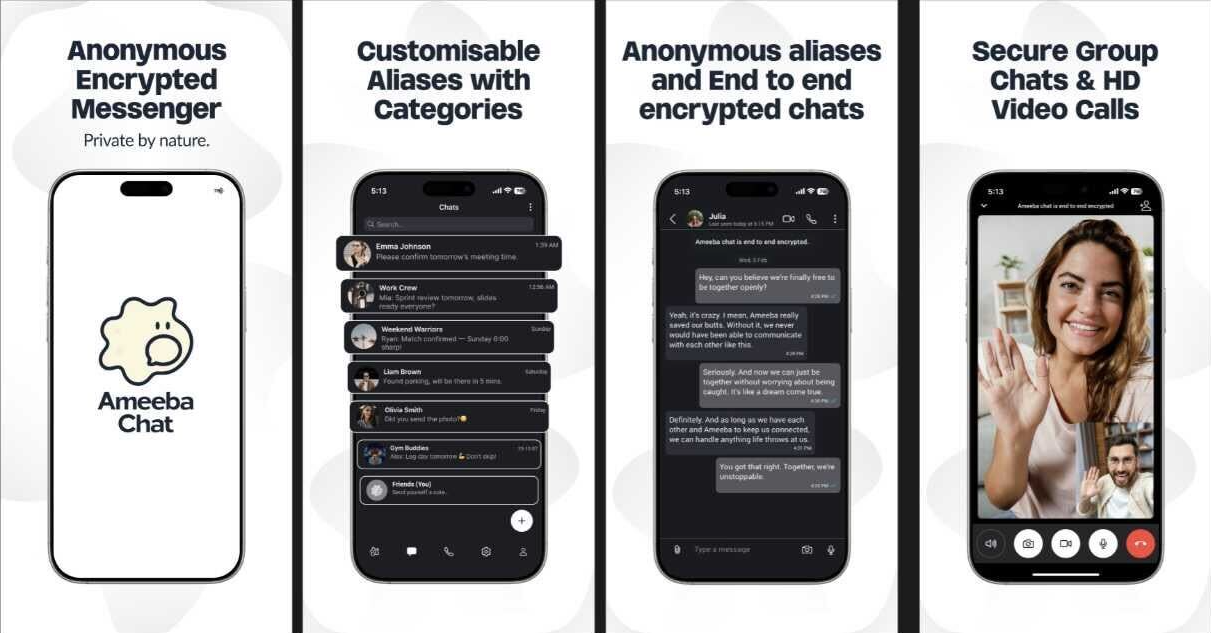
Ameeba Chat gives you a way out.
- • No phone number
- • No email
- • No personal info
- • Anonymous aliases
- • End-to-end encrypted
Chat without a trace.
Product | Affected Versions
Wireless Router | All versions
Network Access Point | All versions
How the Exploit Works
The exploit works by sending a specifically crafted beacon frame that includes a malformed EHT operation IE. When a vulnerable device receives this beacon frame, it attempts to process the malformed EHT operation IE. This process results in a transient denial-of-service condition that could interrupt network operations and potentially allow an attacker to gain unauthorized access to the system or data.
Conceptual Example Code
The following pseudocode describes a conceptual example of how the vulnerability might be exploited:
import beaconFrame
def exploit(target_ip):
malformed_eht = create_malformed_eht()
frame = beaconFrame.create(malformed_eht)
send_beacon_frame(target_ip, frame)
def create_malformed_eht():
# Create a malformed EHT operation IE
eht = EHT_Operation_IE()
eht.malform()
return eht
def send_beacon_frame(target_ip, frame):
# Send the malformed beacon frame to the target
network.send(target_ip, frame)
Please note that the above code is pseudocode and is not intended for actual use. Its only purpose is to conceptually illustrate how the vulnerability could be exploited.
