
Overview
CVE-2025-21452 is a significant security vulnerability affecting the reliability and integrity of LTE networks. The flaw could potentially enable an attacker to trigger a transient Denial of Service (DoS) condition by processing a Random-Access Response (RAR) with an invalid Protocol Data Unit (PDU) length. The severity of this risk underscores the critical need for affected entities to implement mitigation strategies immediately.
Vulnerability Summary
CVE ID: CVE-2025-21452
Severity: High (CVSS 7.5)
Attack Vector: Network
Privileges Required: None
User Interaction: None
Impact: Transient DoS condition, potential system compromise, and data leakage
Affected Products
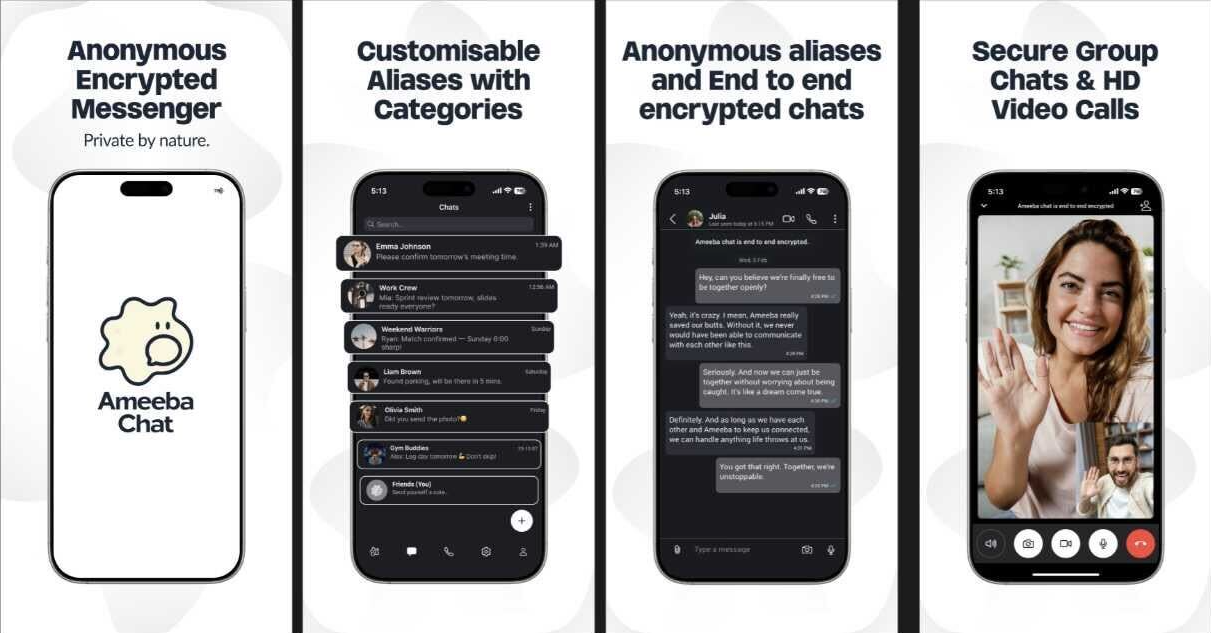
 Escape the Surveillance Era
Most apps won’t tell you the truth.
They’re part of the problem.
Phone numbers. Emails. Profiles. Logs.
It’s all fuel for surveillance.
Ameeba Chat gives you a way out.
- • No phone number
- • No email
- • No personal info
- • Anonymous aliases
- • End-to-end encrypted
Chat without a trace.
Product | Affected Versions
LTE Networks | All Versions
How the Exploit Works
An attacker exploiting this vulnerability would send a specially crafted RAR with an invalid PDU length to an LTE network. The system, upon receiving and attempting to process the malformed RAR, may experience a transient DoS condition. This vulnerability could allow an attacker to disrupt network connectivity temporarily, potentially causing system compromise or data leakage.
Conceptual Example Code
An example of how an attack might look in pseudocode:
def exploit(target):
# Create a random-access response with an invalid PDU length
rar = RandomAccessResponse(invalid_pdu_length)
# Send the malicious RAR to the target LTE network
send_rar(target, rar)
This code sends a malicious RAR to a target LTE network, potentially causing a transient DoS condition.
Mitigation Guidance
Entities operating on LTE networks should apply the vendor-provided patch to fix this vulnerability as soon as possible. If immediate patching is not feasible, a Web Application Firewall (WAF) or Intrusion Detection System (IDS) can be employed as temporary mitigation measures to detect and block attempts to exploit this vulnerability.
